World News in Brief: UN Strengthens Ebola Containment, Refugees Remain Displaced for Decades, Somalia Faces Political Turmoil
World News in Brief – The United Nations, alongside global partners, is intensifying its initiatives to control the spread of Ebola in the Democratic Republic of the Congo (DRC) and Uganda. Despite progress, challenges such as insecurity and misinformation continue to impede the effectiveness of these efforts, according to recent updates from UN officials.
Targeted Support in the DRC
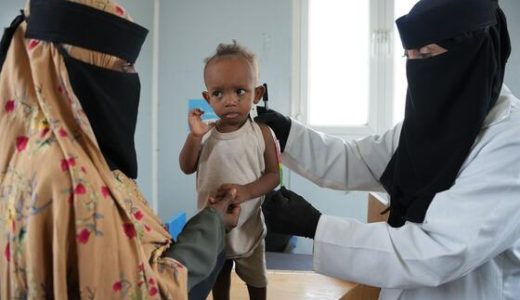
In the eastern regions of the DRC, UN agencies are working closely with national health authorities to establish and sustain Ebola treatment facilities. These efforts include managing individual cases, monitoring the disease’s progression, and ensuring the availability of critical medical resources. The focus of the response has shifted toward Ituri province, where over 90% of confirmed cases have been reported. However, the virus has also spread to North and South Kivu, complicating containment strategies.
Frontline healthcare workers have faced targeted assaults, especially during the handling of safe burial procedures, alongside persistent rumors and community distrust that challenge public health strategies. The insecurity has not only endangered staff but also disrupted the logistics of vaccine distribution and patient care. In response, the UN has prioritized securing treatment zones and deploying mobile units to maintain operations in high-risk areas.
Uganda’s Strategic Measures
Meanwhile, in Uganda, the UN is reinforcing government-led initiatives to manage the outbreak within national coordination frameworks. Technical guidance from the World Health Organization (WHO) is central to these efforts, which involve tracking potential exposures, conducting surveillance, and launching public awareness campaigns to combat fear and stigma.
Authorities have expanded screening protocols at 31 key border entry points, including Entebbe International Airport, to intercept the virus during travel. Rapid response teams and mobile laboratories have been strategically positioned to enhance monitoring of cross-border movements. This proactive approach aims to detect outbreaks early and prevent their escalation. UNICEF, IOM, and UNHCR are also involved, supporting community engagement and logistical coordination to ensure comprehensive coverage.
Refugee Displacement in Eastern and Southern Africa
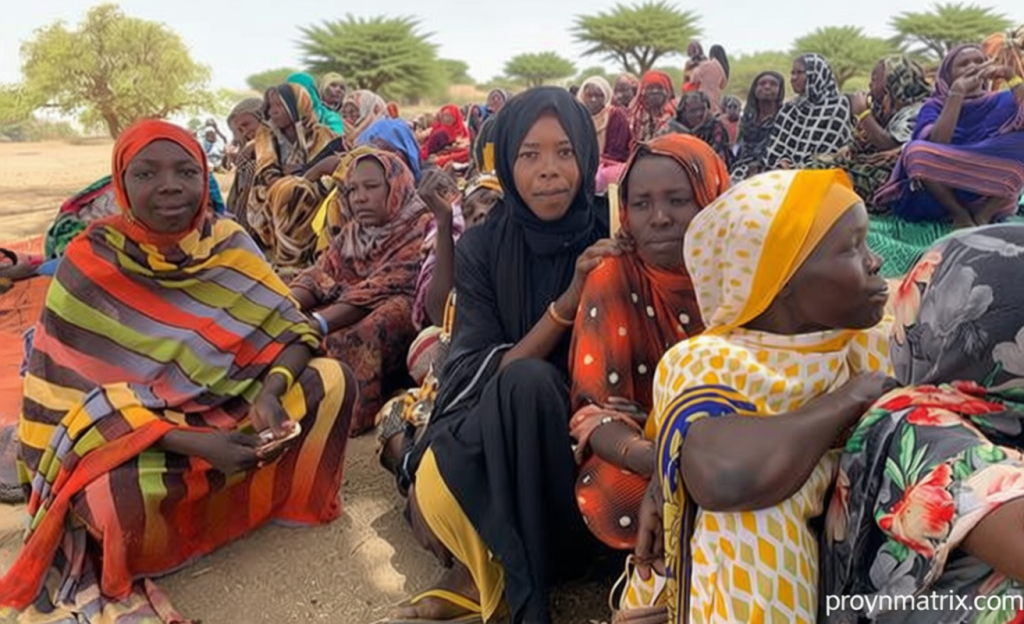
Refugees in Eastern and Southern Africa have endured protracted displacement for approximately 16 years, as revealed by a new analysis conducted by the UN Refugee Agency (UNHCR). This extended period of uncertainty underscores the urgency for sustainable solutions beyond temporary aid. The data, spanning from 2001 to 2025, highlights that over 6.4 million displaced individuals are currently residing in the region, many of whom fled conflict and instability in countries like Sudan, South Sudan, and Somalia.
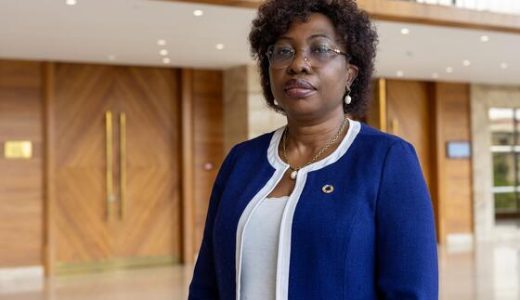
Children are particularly vulnerable to the long-term effects of displacement. UNHCR reports indicate that refugees under the age of five have remained in refugee camps for an average of more than 18 years, often missing out on formal education and stable employment opportunities. “Asylum saves lives, but after nearly 16 years of living in limbo, refugees need more than help; they need hope, opportunity and a way forward,” stated Mamadou Dian Balde, the UNHCR Regional Director for Eastern and Southern Africa.
Mr. Balde emphasized that the prolonged displacement threatens to create generations reliant on humanitarian aid, rather than self-sufficiency. He warned that without long-term solutions, the cycle of dependency could persist, limiting the ability of refugees to reintegrate into their home communities or rebuild their lives independently. The agency has called for increased investment in programs that facilitate safe returns, access to education, and economic opportunities, ensuring refugees can transition from emergency aid to sustainable development.
Political Strains in Somalia
Political tensions in Somalia are escalating, with the UN Secretary-General António Guterres expressing concern over recent clashes in central Mogadishu. The violence, which has intensified since the start of the month, has raised alarms about the potential for renewed conflict. According to local news, former Prime Minister Hassan Ali Khaire accused government forces of attempting to preempt protests, adding to the volatility of the situation.
Mr. Guterres urged all parties to return to dialogue and find a resolution that safeguards Somalia’s recent progress. He highlighted the importance of protecting civilians and infrastructure, calling for restraint to avoid further destabilization. “All stakeholders must demonstrate commitment to peaceful negotiation and ensure that political differences do not lead to renewed bloodshed,” the Secretary-General stated in a recent statement.
The UN Transitional Assistance Mission in Somalia (UNTMIS) echoed this sentiment, noting that repeated warnings about the risk of relapsing into a political crisis like the one in 2021 have gone unheeded. The mission emphasized that the current impasse threatens to derail efforts toward stability, with talks between key factions having stalled since 15 May. International partners, including the UN, have reiterated their readiness to assist in restarting negotiations and providing technical support to restore harmony.
Broader Implications for Regional Stability
The combination of health, displacement, and political challenges in the region presents a complex landscape for international cooperation. In the DRC, the UN’s focus on combating Ebola aligns with broader goals of strengthening public health systems and fostering community resilience. Meanwhile, in Uganda, the emphasis on border control and rapid response reflects the country’s strategic approach to mitigating cross-border risks.
For refugees, the extended displacement not only impacts their immediate well-being but also shapes the future of entire communities. The median duration of displacement for children under five exceeds 18 years, meaning they may never experience the stability of a home environment. This trend raises questions about the long-term effects on social development and the psychological toll of living in exile.
UN officials stress that the situation in Somalia requires immediate attention to prevent a resurgence of violence that could worsen the humanitarian crisis. The political stalemate has also raised concerns about the effectiveness of regional security initiatives and the ability of the UN to provide timely support in times of conflict.
As the UN continues its multi-faceted efforts, the need for coordinated action between health, refugee, and political stakeholders becomes increasingly critical. The agency’s reports suggest that while progress is being made, the success of these initiatives hinges on sustained commitment from both local governments and international partners.