
This is why you only breathe out of one nostril at a time
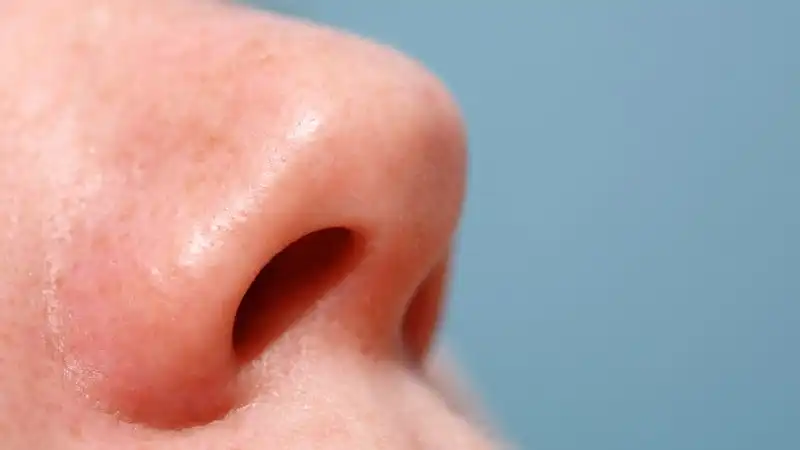
This is why you only breathe out of one nostril at a time
When you’re unwell or battling seasonal allergies, a stuffy nose can turn simple tasks into challenges. The sensation of blocked airflow through your nostrils is a common annoyance, often making it hard to inhale comfortably. Yet, even in good health, you might notice that only one nostril seems to draw in air at a time. This isn’t a sign of illness—it’s a natural physiological process.
The Nasal Cycle Explained
Known as the nasal cycle, this phenomenon involves the nostrils taking turns as the primary airway. The switch occurs regularly, typically every two hours while awake, and is less frequent during sleep due to slower breathing. The cycle consists of two phases: congestion and decongestion. During congestion, one nostril restricts airflow, while the other remains open. This alternation is managed by the brain’s hypothalamus, operating unconsciously.
Why the Cycle Matters
The nasal cycle plays a vital role in nasal health. By alternating airflow, it prevents overexposure of one nostril to dry air and pathogens, acting as a protective mechanism. When one nostril is decongested, it allows the opposite to rest, facilitating repair and regeneration. Increased blood flow during congestion also helps maintain moisture, which is essential for warming and humidifying air before it reaches the lungs.
Some individuals experience a disrupted cycle. Structural issues, like nasal polyps—common in up to 4% of people—can block airflow and reduce the effectiveness of the cycle. Similarly, a deviated nasal septum may cause persistent congestion. External factors also influence the cycle. Respiratory infections such as colds or flu lead to excess mucus, hindering alternation. Allergens like pollen or dust mites trigger inflammation, while medications for high blood pressure can irritate nasal tissues. Overuse of decongestants may even induce rhinitis medicamentosa, a condition linked to prolonged nasal swelling.
Interestingly, studies suggest a tendency for the left nostril to dominate in right-handed individuals. This dominance may correlate with bodily states—right nostril airflow is associated with alertness or stress, while the left nostril is linked to relaxation. These findings highlight the intricate connection between breathing patterns and overall wellness.
Read more: Breathing through your nose when you exercise may make your runs easier Read more: I have a stuffy nose. How do I know if it’s hay fever or a cold? Read more: What air pollution does to the human body
