
Police to use Thames to separate protesters at Al Quds protest
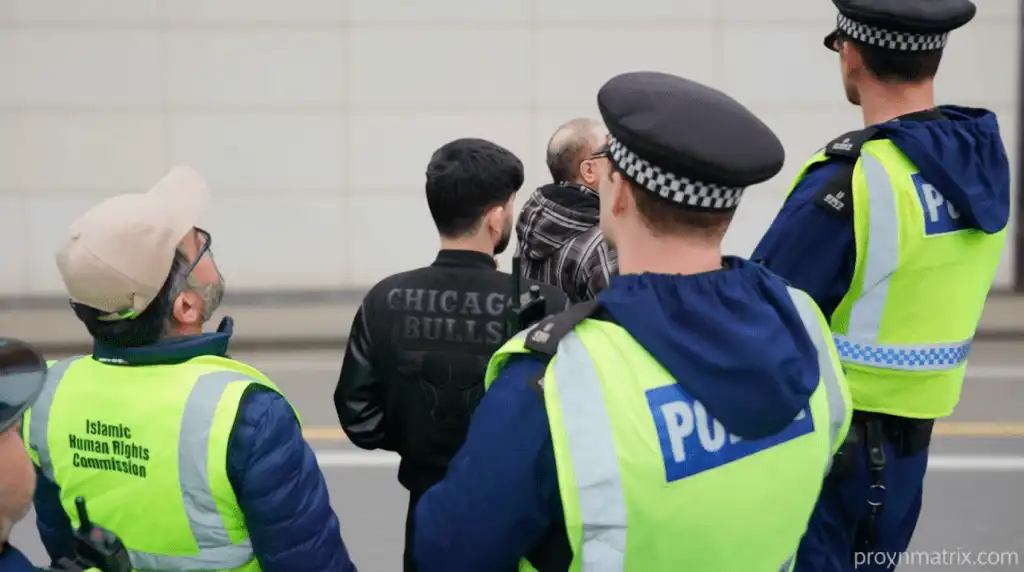
Police to use Thames to separate protesters at Al Quds Day rally
On Sunday, London’s police force will employ the River Thames as a strategic divide between demonstrators and counter-protesters at the Al Quds Day rally in central London. This measure aims to manage the anticipated clash of opposing groups during the event.
A planned demonstration heading to the Home Office was approved for cancellation earlier this week by Home Secretary Shabana Mahmood, following a request from the Metropolitan Police to block it. The decision was made to prevent serious public disorder.
The Metropolitan Police stated that the Islamic Human Rights Commission (IHRC) were “supportive of the Iranian regime,” marking the first time in 14 years a protest march has been banned by the Met.
The IHRC representatives countered the decision, asserting that the static demonstration is a peaceful, pro-Palestinian gathering. They claimed the ban on the rally was a “politically charged decision,” emphasizing its non-violent nature.
Assistant Commissioner Ade Adelekan detailed that the Thames will serve as a buffer, employing a “new bespoke tactic” to address the “unique set of circumstances” presented by the Al Quds event. The strategy is designed to mitigate tensions between participants.
The Met anticipates a minimum of 6,000 attendees for the Al Quds demonstration, with an additional 6,000 counter-protesters. However, officials warned that the number could potentially exceed 6,000 due to the volatile situation in the Middle East.
Protesters will occupy Albert Embankment to the south of the river, while counter-protesters are confined to Millbank. Lambeth and Vauxhall Bridges will be restricted to emergency vehicles only, creating a clear separation between the two groups.
Over 1,000 officers, including community units and other agencies, will oversee the event. Enhanced security is also planned for other “vulnerable places” in London, such as areas with large Jewish communities.
Officers will be instructed to act swiftly on placards, flags, and chants, Adelekan explained in a Thursday briefing. A “zero tolerance approach” to hate crimes will be enforced, with arrests for anyone endorsing proscribed groups.
The ban and security measures “do not entirely eliminate disorder risks,” Adelekan stated, but aim to “significantly ease policing efforts.” The Met cited historical events of the Al Quds rally, current community tensions, and an “intelligence gap” as key considerations in their decision.
The Al Quds tradition began following the 1979 Iranian Revolution, typically occurring on the final Friday of Ramadan. Global marches are held annually, with the IHRC describing the event as a pro-Palestinian display. Despite the ban, the static protest will proceed as planned.
