Belarus passes bill to crack down on LGBTQ+ rights echoing similar law in Russia
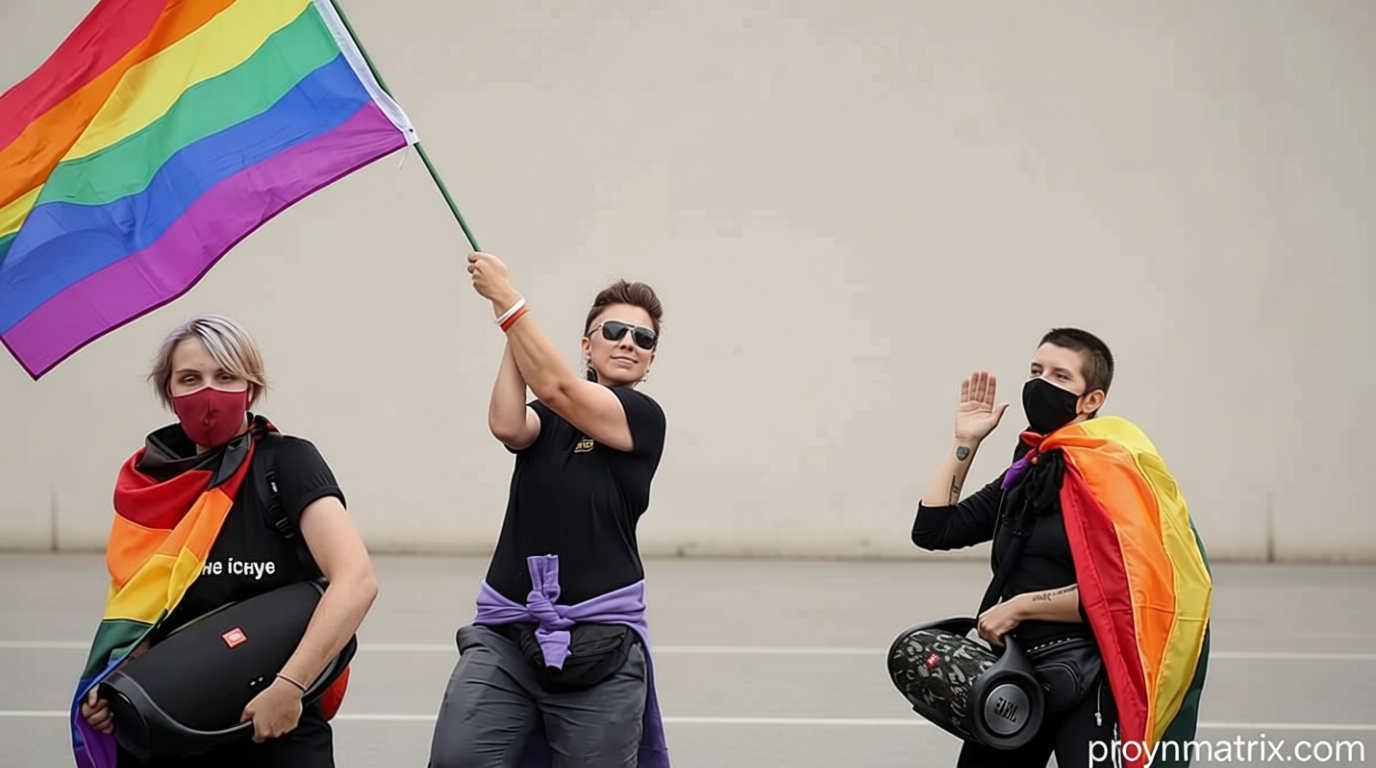
Belarus’ parliament approved a new law on Thursday, introducing penalties for individuals who advocate for LGBTQ+ causes, mirroring restrictions implemented in its neighboring ally, Russia. The upper house finalized the measure after the lower chamber passed it last month, with President Aliaksandr Lukashenka anticipated to endorse it soon. The legislation targets “homosexual relations propaganda, gender identity, childbearing hesitancy, and paedophilia,” allowing fines, community service, or a 15-day detention.
Despite decriminalizing homosexuality in 1994 following the Soviet Union’s collapse, Belarus does not recognize same-sex marriages and lacks comprehensive legal protections for LGBTQ+ rights. Lukashenka, who has governed the nation of 9.5 million people with authoritarian control for over three decades, has publicly ridiculed homosexuality, intensifying societal discrimination against the community.
Western nations have imposed repeated sanctions on Belarus, citing its human rights violations and role in permitting Moscow’s use of the country’s territory during Ukraine’s 2022 invasion. LGBTQ+ organizations have been closed, and security forces frequently conduct raids on nightclubs to disrupt private gay gatherings. The country’s top intelligence agency, still known as the KGB, has allegedly pressured members of the LGBTQ+ community into cooperation through blackmail.
“Even before this law, LGBTQ+ individuals faced beatings, arrests, and mockery. Now, law enforcement has a legal basis to intensify repression,” stated Alisa Sarmant, head of TG House, a Belarusian group advocating for transgender rights.
Sarmant highlighted that over the past three months, her group documented at least 12 instances of persecution, including a recent police operation at a Minsk nightclub during a private gay event. She warned that the legislation could lead to transgender people being denied access to essential medications. TG House reported receiving hundreds of inquiries for mental health support and assistance in relocating abroad.
“Belarus is replicating Russia’s harsh policies, worsening the conditions for LGBTQ+ people,” Sarmant added. The new law aligns with Russia’s own repressive framework, which bans gender affirmation on official documents, public displays of gay or transgender identity, and labels the LGBTQ+ movement as extremist. In Russia, activists can face up to six years in prison for these acts.