Trump and Netanyahu Diverge on Iran War’s Future in Tense Phone Call
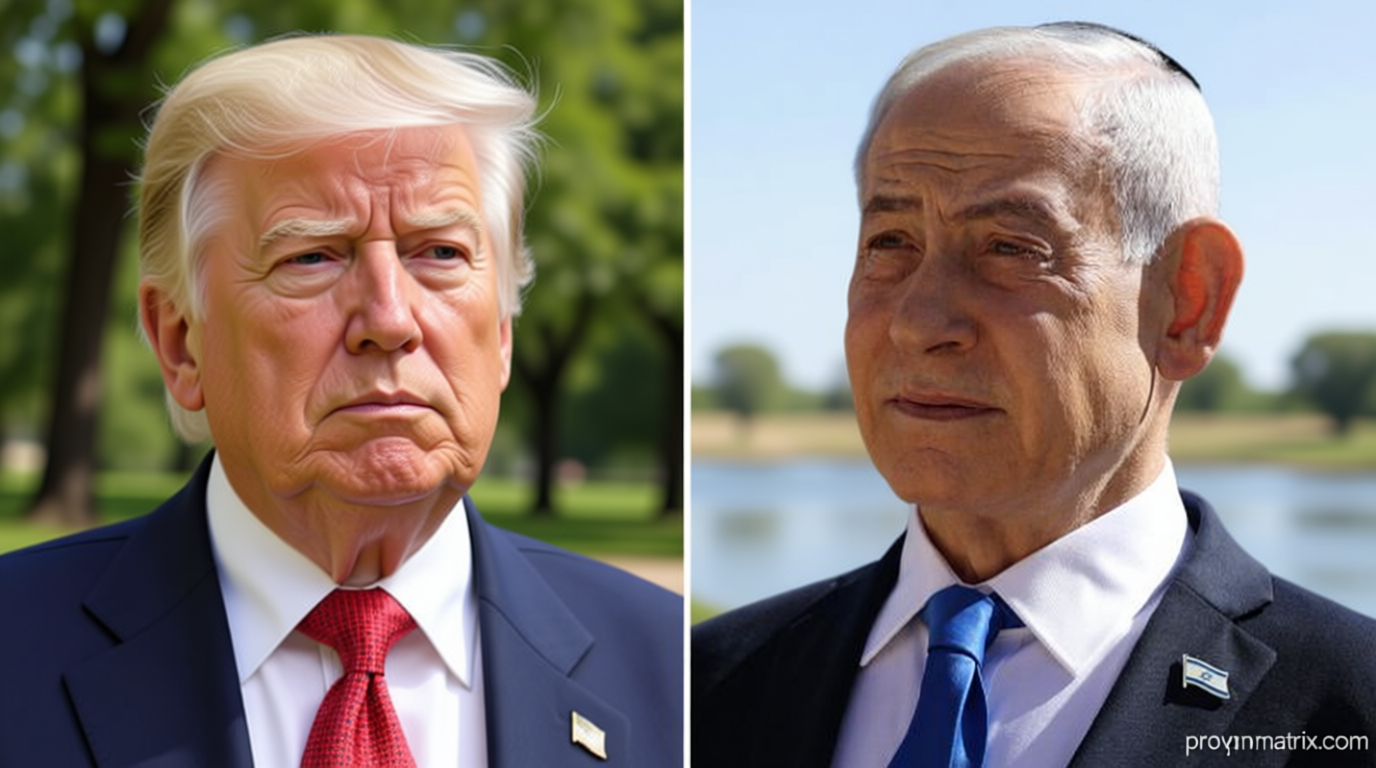
Trump and Netanyahu diverge on Iran – During a tense Tuesday call, US President Donald Trump and Israeli Prime Minister Benjamin Netanyahu expressed divergent opinions on the trajectory of the Iran conflict, according to a US official. The exchange highlighted a growing rift between the two leaders, who have differing priorities in dealing with Tehran’s nuclear ambitions and regional influence. While Trump emphasized the importance of diplomatic engagement, Netanyahu urged a more aggressive stance, arguing that delays risked Iran’s strategic gains.
Earlier in the week, Trump had hinted at resuming military operations against Iran, with plans to name the upcoming campaign “Operation Sledgehammer.” The official noted that during their Sunday conversation, Trump outlined this strategy, suggesting a swift and targeted assault on Iranian assets. However, just 24 hours later, Trump announced a pause on the strikes, citing requests from Gulf allies like Qatar, Saudi Arabia, and the United Arab Emirates. This shift raised concerns among Israeli officials, who viewed the decision as a sign of hesitation.
The White House has been in close coordination with Pakistani mediators since the pause, as Gulf nations pushed for a compromise. These discussions aim to build a framework that could facilitate broader diplomatic talks, though tensions remain high. Trump, speaking Wednesday, said the negotiations are “in the final stages” and that the outcome would determine whether the US continues with its military approach or settles for a diplomatic solution. “We’ll either have a deal or we’re going to do some things that are a little bit nasty,” he stated, hinting at the potential for harsher actions if diplomacy fails.
“We’re in the final stages of Iran. We’ll see what happens,” Trump told reporters on Wednesday. “We’ll either have a deal or we’re going to do some things that are a little bit nasty, but hopefully that won’t happen.”
Netanyahu, who has long advocated for a confrontational strategy, expressed disappointment with the decision to halt the strikes. Israeli sources revealed that the prime minister pushed back against Trump’s delay, insisting that resuming military action was crucial to counter Iran’s growing power. “He’ll do whatever I want him to do,” Trump said Wednesday, implying he still held the upper hand in shaping the conflict’s direction. This sentiment underscores the complex relationship between the two leaders, where Trump’s diplomatic ambitions clash with Netanyahu’s preference for military force.
Amid the standoff, Iran’s Foreign Ministry spokesperson, Esmaeil Baghaei, dismissed recent claims about its nuclear stockpile. “Claims about nuclear issues — such as enriched uranium or enrichment levels — are merely media speculation and have no basis in reality,” Baghaei said, as quoted by the state-affiliated Islamic Republic News Agency (IRNA). He also called the rumors of a diplomatic breakthrough between Tehran and Washington “not credible,” emphasizing Iran’s firm stance on retaining its enriched uranium. This position aligns with reports from Iranian sources indicating that Supreme Leader Mojtaba Khamenei had ordered the country’s stockpile of near-weapons-grade uranium not to be sent abroad. However, the US official noted that this directive had not yet been formally communicated to the White House as of Thursday.
“No, no, we get the highly enriched. We will get it,” Trump said on Thursday, addressing the issue of Iran’s uranium reserves. “We don’t need it; we don’t want it. We’ll probably destroy it after we get it, but we’re not going to let them have it.”
The Israeli government’s frustration with the US approach has deepened since the Tuesday call. Officials close to Netanyahu have voiced concerns that Trump’s willingness to delay strikes reflects a lack of resolve. “There is a strong desire in the upper echelons of the Israeli government for renewed military action,” an Israeli source told CNN, adding that the prime minister’s team remains wary of Iran’s diplomatic foot-dragging. This sentiment is echoed by Israeli analysts, who argue that every day of hesitation allows Iran to strengthen its position, potentially undermining long-term objectives.
Historically, the US and Israel have had differing goals in the Iran conflict. While Israel prioritizes immediate military pressure to weaken Tehran’s capabilities, the US has sought a more balanced strategy, combining military and diplomatic efforts. This divergence has been a recurring theme in their interactions, with past discussions revealing mutual frustration. Trump’s approach, which alternates between threats of force and calls for dialogue, has tested Netanyahu’s patience. The prime minister’s team has reportedly questioned whether Trump’s “nasty” options are truly a last resort or a way to maintain political leverage.
As negotiations continue, the stakes for both nations remain high. Trump’s emphasis on diplomacy has led to renewed hope among some international actors, but Israeli officials remain skeptical. The upcoming talks could determine whether the US and Israel find common ground or continue their strategic split. Meanwhile, Iran’s refusal to relinquish its enriched uranium continues to be a central point of contention, with the nation’s leaders doubling down on their position. “We don’t need it; we don’t want it,” Trump reiterated, signaling his intent to secure Iran’s nuclear materials regardless of the circumstances.
Regional allies in the Persian Gulf have played a pivotal role in the recent developments. Qatar, Saudi Arabia, and the United Arab Emirates have pressured the US to reconsider its military plans, arguing that a pause could prevent unintended escalation. These nations have also acted as intermediaries, facilitating discussions between the White House and Israeli officials. Despite this, the Israeli leadership has maintained its stance, believing that the window for decisive military action is closing quickly.
Netanyahu’s frustration with Trump’s approach is not entirely new. Sources familiar with their conversations noted that the prime minister has long criticized the US for its reluctance to commit fully to a military campaign. The latest call, however, intensified this tension, as Netanyahu made it clear that he expected Trump to take a stronger hand. “We’re in the final stages of Iran,” Trump said, but the Israeli leader’s concerns suggest the situation is far from resolved. The outcome of these talks will have significant implications for the future of the Iran war, with both nations vying for control over the next steps.
With the possibility of a diplomatic agreement still on the table, Trump’s administration is weighing the risks and rewards of continuing negotiations. The president has acknowledged that the situation is “right on the borderline,” and that diplomacy could save lives if it leads to a lasting solution. However, the Israeli government’s insistence on a more aggressive posture remains a critical obstacle. As the talks unfold, the balance between military action and diplomacy will continue to shape the Iran conflict’s future.
The call also highlighted the broader geopolitical dynamics at play. Iran’s position on its nuclear program, coupled with its diplomatic tactics, has been a focal point of international debate. While the US seeks to secure Iran’s cooperation through dialogue, Israel remains focused on decisive strikes to cripple Tehran’s nuclear capabilities. The interplay between these strategies will determine the next phase of the war, with both leaders navigating a delicate path between hardline and conciliatory approaches.
As the White House and Israeli officials continue their discussions, the international community watches closely. The potential for a breakthrough or a breakdown in negotiations remains uncertain, but the tension between Trump and Netanyahu underscores the challenges of aligning national interests in a volatile region. For now, the conflict is suspended, but the underlying disagreements suggest that the path to resolution will be anything but straightforward.