
‘We can’t take it anymore’: How Trump is pushing Cuba to the brink
We can’t take it anymore’: How Trump is pushing Cuba to the brink
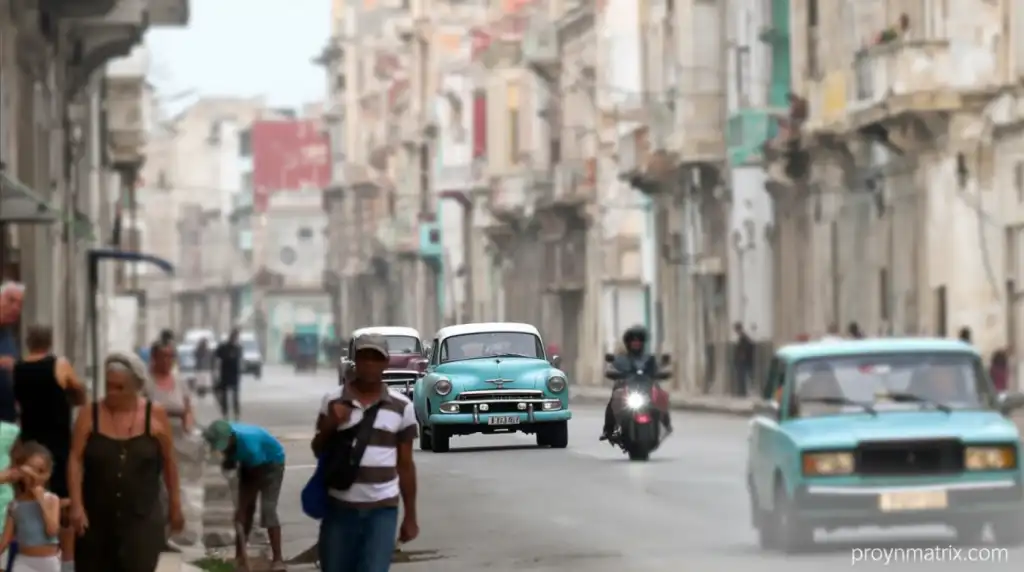
Cubans are facing a dire situation as President Donald Trump intensifies pressure on the island nation. During a recent encounter in Havana, a local man shared his frustrations with a reporter, his voice barely audible as he spoke. “Let the Americans come, let Trump come, it’s time to get this over with,” he said, hinting at the growing desperation. This moment underscores the current strain on the country, which has endured over six decades of political and economic challenges.
“We can’t take it anymore,” he continued. “People can’t feed their families.”
The nation’s history is marked by significant upheavals: the failed CIA invasions, nuclear confrontations, and mass departures of citizens. Now, under Trump’s administration, Cuba is once again at a critical juncture. In a recent interview, Trump declared, “Cuba is going to fall soon,” a statement that resonates more deeply than typical presidential rhetoric due to the swift and targeted nature of his recent oil embargo.
Trump’s policies have not only targeted Venezuela and Iran but also signal a renewed focus on Cuba. The embargo, which has severed vital economic ties, has left the island’s leaders with few options. Unlike the 1962 missile crisis, which involved naval blockades, the current measures disrupt supply chains without direct military intervention. As a result, the flow of oil from Havana’s last remaining allies has been significantly reduced.
Many government-built hotels, once bustling with visitors, now sit largely abandoned. Employees are sent home without regular pay, and tourists have dwindled, with planes struggling to refuel. The Cuban government’s slogan, “Cuba is not alone,” contrasts sharply with the visible decline of daily life. Blackouts, which previously lasted hours, now stretch for days, forcing Cubans to rely on makeshift solutions like burning tree limbs to cook meals during power outages.
In a 36-hour blackout, residents on a main avenue in Havana cooked over open flames, a scene that highlights the country’s regression. “We have returned to the Stone Age,” one man remarked, his tone unexpectedly upbeat. Without fuel, most vehicles remain parked, and Cubans resort to renting T-Plate cars—state-owned vehicles from which they siphon fuel for resale on the black market. A single tank of gas now costs over $300, surpassing the annual income of many locals.
Despite Trump’s claims that Cuba is seeking a deal to ease the crisis, officials remain defiant. “The US will never again dictate terms to our island,” one said, emphasizing Cuba’s resolve. Yet, among the population, a sense of weariness persists. While some hope for change, others are uncertain about the path forward. When the reporter’s cameraman finally reappears, the man hesitates, choosing to keep his complaints private—just for now.
