
Long Island Rail Road, America’s largest commuter railroad, is on strike
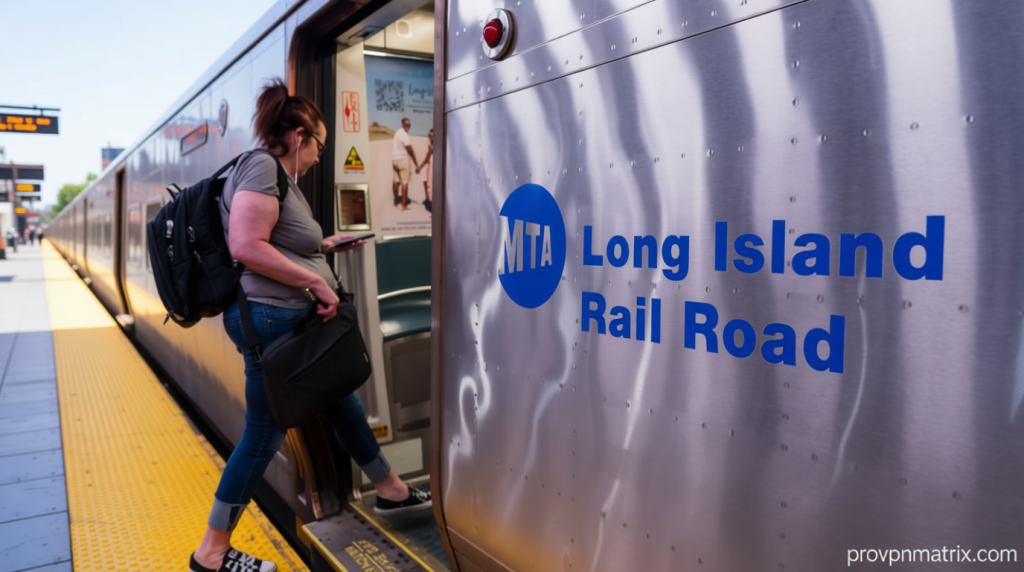
Major Disruption: LIRR Workers Initiate Strike, Halting Commute for Millions
Long Island Rail Road America s largest – Transit workers on the Long Island Rail Road (LIRR), the largest commuter railroad in the United States, have launched a strike that has left all train services suspended. This action could disrupt the daily routines of hundreds of thousands of New York City commuters, creating significant challenges for those relying on the rail network for transportation. The walkout marks the first major labor action at the LIRR since 1994, underscoring the growing tensions between union representatives and railroad management.
Unions Seek Wage Adjustments Amid Cost-of-Living Pressures
The strike involves five labor unions, collectively representing over 3,500 employees. These workers are demanding a raise to match the soaring cost-of-living increases that have gripped one of the nation’s most expensive regions. The unions had aimed to secure wage hikes in the 4% to 5% range, a request they argue is essential to keep pace with inflation and rising expenses. However, the negotiations collapsed on Friday, leaving no immediate resolution in sight.
Kevin Sexton, vice president of the Brotherhood of Locomotive Engineers and Trainmen and a spokesperson for the unions, explained the situation: “After two days of round-the-clock discussions, the parties could not find common ground.” The breakdown came as management pushed for a final agreement, only to demand that workers accept additional financial burdens tied to healthcare coverage. This change, according to the unions, was unacceptable and derailed the talks.
MTA and Governor Hochul Criticize Union Tactics
The Metropolitan Transportation Authority (MTA), which oversees the LIRR, has accused the unions of being inflexible. In a statement, Janno Lieber, CEO of the MTA, claimed the unions “always intended to strike,” framing their actions as a calculated move to force a deal that benefits their members at the expense of commuters and taxpayers. “Their strategy is to inconvenience Long Islanders and try to force the MTA and the State to do a bad deal,” Lieber added.
New York Governor Kathy Hochul echoed the MTA’s frustration, calling the strike “reckless” and warning of its financial consequences. “Commuters are dealing with unnecessary dysfunction, and thousands of union workers are forced to go without a paycheck due to the decisions of a small group of leaders,” Hochul said. She urged both sides to “return to the table and bargain non-stop until a deal is reached,” highlighting the broader implications of the standoff for public transit funding.
Impact on Commuters and Regional Economy
The LIRR serves as a vital artery for the New York City metropolitan area, with its ridership still recovering from pandemic-era declines. Although the system has rebounded to about 90% of pre-2019 levels, the strike threatens to undo progress. Last year, the railroad generated $636 million in fare revenue, meaning the loss of $2 million per weekday could have a measurable effect on its finances. Customers with monthly passes will receive prorated refunds, but the overall disruption remains a concern.
Commuters now face the prospect of using alternative transportation methods, such as buses, to navigate the city. The MTA has promised limited bus service, with only 13,000 riders accommodated in the morning and another 13,000 in the evening. This capacity is far below the usual demand, particularly on days when thousands of people rely on the rail system to get to work. The impact will be most severe on Monday, when nearly 300,000 commuters are expected to use the LIRR to travel in and out of the city.
Gas prices have already reached historic highs, and new tolls on cars entering Manhattan’s business district add to the financial strain. For many, the strike means an unexpected shift to driving, which could lead to increased traffic and delays. “These riders are our friends, our neighbors, and they live in our communities,” said Kevin Sexton, emphasizing the human cost of the labor dispute. The MTA is urging commuters to consider working remotely, avoiding non-essential trips, and allocating extra time for travel.
Weekend Challenges and Major Events
Even as the strike began at midnight on Saturday, its effects will be most pronounced during the upcoming workweek. However, the weekend is not without its own complications. This Saturday and Sunday, the Mets and Yankees will face off at Citi Field, a venue accessible via the LIRR. Despite the limited rail service, the game is expected to draw a crowd, potentially increasing bus congestion and straining the MTA’s resources.
Weekends typically see fewer passengers, but the MTA anticipates an uptick in off-peak travel. This could mean that the limited bus routes and temporary solutions will be tested, with delays likely for those attempting to reach the games or other weekend activities. While the MTA has not yet recovered all pre-pandemic ridership, the strike may further erode public confidence in the system’s reliability.
Broader Implications for Public Transit
The strike has reignited debates about the sustainability of public transit in the face of rising operational costs and shrinking budgets. The unions argue that without fair wages, workers may struggle to afford basic living expenses, while management claims the demands could jeopardize the financial stability of the MTA. This conflict highlights the delicate balance between labor costs and service efficiency in a region where transit is a lifeline for millions.
Friday’s negotiations had initially shown promise, with management close to agreeing on the 4% to 5% wage increase. However, the last-minute push for healthcare-related cost adjustments created a final wedge between the two sides. The unions, represented by groups such as the Transportation Communications Union, had previously secured support from two federal panels, which ruled in their favor. “We are truly sorry that we’re in this situation,” Sexton said, reflecting on the compromise that was ultimately unattainable. “These riders are our friends, our neighbors—they live in our communities.”
The LIRR’s strike serves as a microcosm of the larger challenges facing public transportation in the U.S. As inflation continues to rise, labor unions are pushing for raises that reflect the economic realities of their members. Meanwhile, transportation authorities are under pressure to maintain service without increasing fares or reducing staffing. The outcome of this dispute will likely influence future negotiations across the industry, setting a precedent for how wage demands are addressed in a high-cost, high-demand environment.
With the strike ongoing, the LIRR’s role as a critical commuter link is being put to the test. The MTA’s limited bus service and the anticipated shift to driving may force a reevaluation of transportation infrastructure in the region. As the week progresses, the situation could either lead to a resolution or escalate into a prolonged disruption, affecting not just daily commutes but also the broader economy of Long Island and Manhattan. The standoff underscores the importance of timely negotiations in maintaining the flow of daily life for millions of people.
