
Trump wants to lift the federal tax on gas. But don’t expect much relief even if it happens
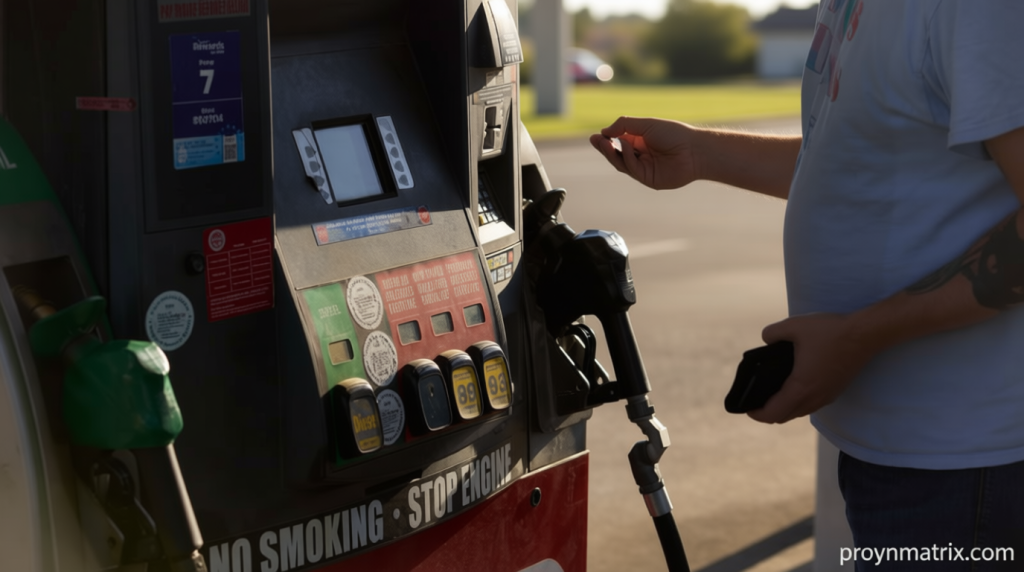
Trump Proposes Federal Gas Tax Suspension for Immediate Relief
Trump wants to lift the federal – President Donald Trump has proposed suspending the federal gas tax to ease rising fuel costs for drivers. The move, announced recently, aims to provide short-term financial relief as gas prices have climbed to new highs. However, experts caution that the tax cut may not significantly lower prices for consumers, despite its potential to reduce the burden in the near term. The decision aligns with Trump’s broader strategy to address economic grievances, particularly among voters anxious about inflation and energy expenses.
The Short-Term Benefits and Limitations
A federal gas tax suspension could temporarily lower prices at the pump, but its impact is likely limited. Analysts from the Penn Wharton Budget Model estimate that the average price per gallon would decrease by about 13.2 cents for regular gasoline and 14.6 cents for diesel. For a typical household using 15 gallons weekly, this translates to a modest $35 savings over the summer. Still, these figures represent only a small portion of the overall cost, leaving many drivers facing ongoing financial pressure.
“The actual benefit to consumers is going to be pretty small,” remarked Kent Smetters, faculty director at the Penn Wharton Budget Model.
Political and Fiscal Challenges
While Trump’s proposal is framed as a populist measure, its implementation depends on congressional support. The suspension would require legislative approval, a process that has proven difficult in the past. For example, former President Joe Biden’s similar attempt in 2022 was rejected by a Democratic-led Congress, highlighting the political hurdles. With the war in the Persian Gulf ongoing and inflationary pressures mounting, the likelihood of passing a tax holiday remains uncertain, despite its appeal to voters.
Long-Term Consequences for Infrastructure Funding
The federal gas tax has long supported the Highway Trust Fund, which has struggled with deficits since 2008. A five-month suspension would reduce annual revenue by roughly $17 billion, or 46% of the projected funds. This shortfall could force lawmakers to divert additional taxpayer money or cut transportation projects. The tax, originally set at 18.4 cents per gallon in 1956, has not been adjusted for inflation since 1993, making it increasingly insufficient to sustain infrastructure needs.
State-Level Precedents and Trends
Several states have already acted to lower fuel costs for residents. Georgia suspended its 33.3-cents-per-gallon gas tax and 37.3-cents-per-gallon diesel levy for two months in March. Indiana Governor Mike Braun paused the 7% use tax on fuel for a month in April, later extending it. Kentucky and Utah also implemented tax reductions, signaling a growing trend of state-level responses to high energy prices. These actions suggest that local governments are stepping in where federal measures may fall short.
Supply Chain Dynamics and Price Drivers
Experts argue that a federal gas tax holiday alone cannot resolve the root causes of high prices. Steve Cicala, an economics associate professor at Tufts University, noted that the measure would not address the supply crunch affecting global oil markets. “This does nothing about the supply crunch,” he said. “It is instead encouraging drivers to drive during a supply crunch, which drives prices up further.” The tax suspension might provide temporary relief, but it risks increasing demand without improving supply, potentially exacerbating the crisis.
Gas prices have surged to a national average of $4.52 per gallon, up from $2.98 before the conflict in the Strait of Hormuz began on February 28. Although a ceasefire has been reached, operational risks for oil tankers persist, keeping prices elevated. Trump described the situation as “on massive life support,” but the underlying supply issues remain unresolved. A federal tax cut would not directly address these constraints, leaving long-term costs unchanged.
