
Kenya braces as Middle East conflict escalates
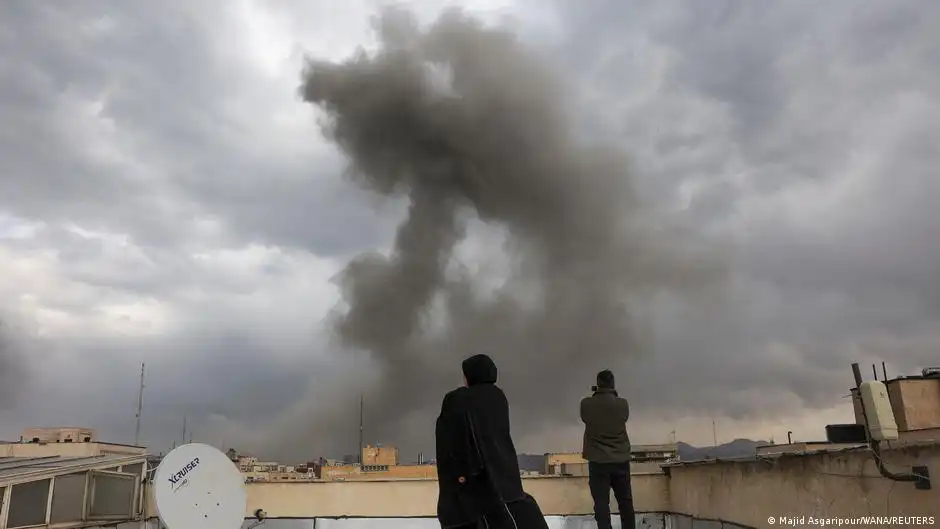
Kenya Braces as Middle East Conflict Escalates
Kenya faces growing concerns over potential economic repercussions as regional hostilities in the Middle East intensify. The country’s significant reliance on trade and employment ties with Gulf nations has raised alarms among citizens and officials alike. Over 400,000 Kenyans are currently working in countries like Saudi Arabia, the UAE, and Qatar, many in sectors such as construction, domestic service, and aviation.
Presidential Stance on Regional Tensions
President William Ruto has emphasized the need for calm amidst the escalating conflict, urging restraint and diplomatic dialogue. His recent remarks highlighted Kenya’s commitment to multilateral solutions and adherence to international law. “Kenya strongly condemns the strikes targeting the UAE, Qatar, Saudi Arabia, Iraq, Oman, Kuwait, Jordan, and Bahrain,” he stated, stressing the danger of regionalizing the conflict to global peace.
“The situation underscores the risk to international stability, and we call for swift engagement to ease tensions,” Ruto added.
Business Impact and Rising Costs
Kenyans in the business sector are already sensing the effects. Vincent Kipngeno, a logistics entrepreneur in Nairobi, explained how fuel price hikes triggered by the conflict are disrupting operations. “Fuel costs have surged, directly impacting everything from transportation to refrigeration in our exports,” he said. Kipngeno pointed out that increased oil prices mean higher expenses for Kenyan companies reliant on Gulf markets.
“The Gulf region is crucial for our exports, and any disruption in shipping or airspace could lead to delays and inflated insurance costs,” he warned.
Aisha Juma, a vendor in Nairobi’s Eastleigh market, echoed similar worries. She highlighted the link between Middle East tensions and local economic pressures. “Fuel powers our entire economy, and rising prices are pushing up the cost of goods we sell,” Juma said. The ripple effect of instability in the region is making basic items more expensive for Kenyan consumers.
“Traders here feel the strain quickly because everything depends on the Gulf trade routes,” she noted.
Human Concerns and Social Anxiety
With the conflict spreading, families in Kenya are increasingly anxious about the safety of loved ones abroad. Peter Otieno, a construction worker in Riyadh, Saudi Arabia, shared fears over potential disruptions. “Daily news updates keep us on edge, as the situation affects our livelihoods and safety,” he said, citing reports of bombings in residential and workplace areas.
“If companies reduce operations or travel routes are blocked, our job security is at risk,” Otieno added.
The government’s strategy to maintain regional partnerships while advocating for peace has also come under scrutiny. Opposition figures have called for clearer contingency plans, questioning whether Kenya is adequately preparing for economic fallout. Despite these concerns, Nairobi remains a hub for discussions on the conflict’s implications, reflecting the nation’s interconnected fate with the Middle East.
