
Nepal elections: Gen Z hopes for genuine political reforms
Nepal elections: Gen Z hopes for genuine political reforms
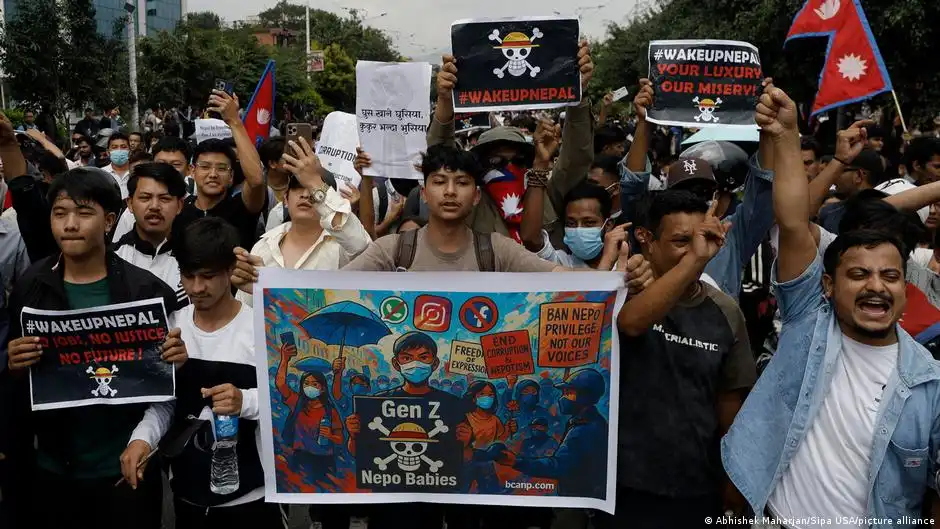
Nepal is preparing for parliamentary elections following a youth-driven protest that ousted the prior administration. The movement, which sparked nationwide demonstrations, led to the resignation of then Prime Minister K.P. Sharma Oli and the dissolution of parliament by President Ram Chandra Paudel. An interim government was formed to oversee early elections, now set for this week.
Liza Adhikari, a 20-year-old student, bears the physical toll of the protests. A bullet shattered the top of her upper arm bone on September 8, 2025, the day Nepal’s Gen Z movement faced a violent suppression. She now undergoes physiotherapy daily to restore movement, a process she says is a testament to the “revolution” that reshaped the nation’s political landscape.
“I wasn’t throwing stones. I was helping people by bringing them water, and then I got caught in the crossfire,” Adhikari told DW.
The demonstrations, driven by outrage against corruption and high unemployment, forced a change in leadership. Now, nearly 19 million voters in the Himalayan country are set to cast their ballots, electing 275 members of the House of Representatives. Of these, 165 seats will be filled directly, while 110 will be allocated through proportional representation based on party-prepared lists.
Adhikari believes the youth’s struggle was not about toppling power, but about demanding accountability and transformation. “If young people enter Parliament, they can make the movement’s impact visible. But if old parties reclaim control without change, our efforts will be wasted,” she said.
According to Amnesty International, the protests left 76 young lives lost and over 2,000 injured. Despite their central role in the uprising, Gen Z remains underrepresented in the electoral race. Only about 5% of candidates belong to this age group, with many citing structural hurdles as a reason for their absence.
These barriers include a political culture that often sidelines younger aspirants, viewing them as lacking experience. A constitutional rule also prohibits anyone under 25 from running for Parliament, compounding the challenge. For those aiming to contest via proportional representation, the Rastriya Swatantra Party (RSP) charges an application fee of 50,000 Nepali rupees ($375, €323), a sum many activists find difficult to afford.
Gen Z members, like Majid Ansari, a law student and activist, explain how financial strain has deterred participation. “Most of us saved our money for protests and events. That fee felt like a mountain to climb,” he noted. Some young candidates who initially announced independent runs have since withdrawn due to financial pressures.
Political analyst Krishna Pokharel highlights deeper systemic issues. “Without the Election Commission able to control party funding, wealthier contractors and traders dominate the race. They can self-finance campaigns and support their parties,” he explained.
Manish Khanal, a 26-year-old RSP candidate in Nawalpur-2, aims to disrupt this pattern. His campaign relies on donations, volunteers, and free resources, which he terms “social capital.” He emphasizes transparency by avoiding material incentives like cash or food distribution to voters.
