
Who is Mojtaba Khamenei, Iran’s new supreme leader?
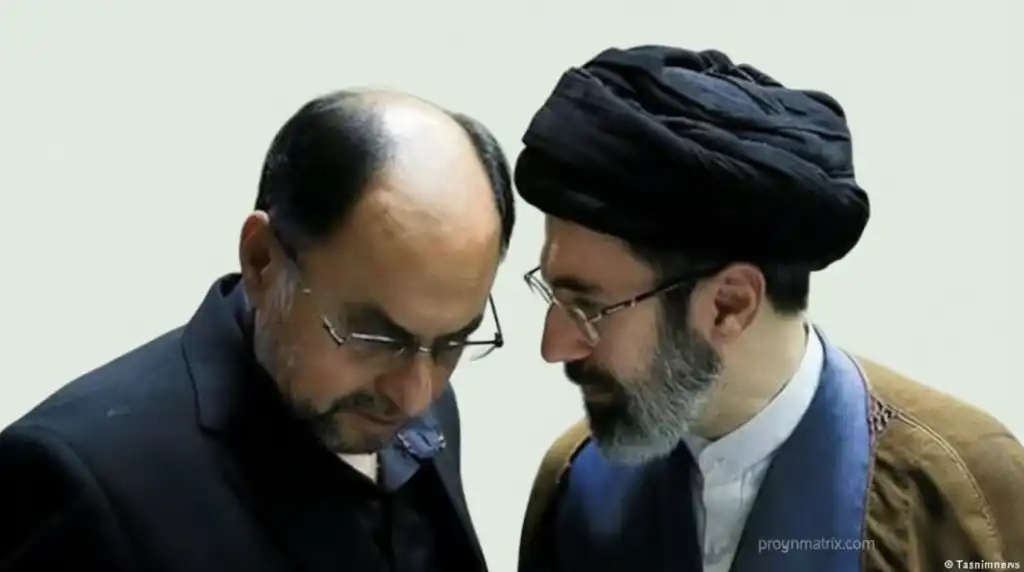
Who is Mojtaba Khamenei, Iran’s new supreme leader?
On March 8, Iran’s Assembly of Experts formally elected Mojtaba Khamenei as the nation’s next supreme leader. The decision underscores the regime’s ongoing conflict with the United States and Israel, reflecting a strategic choice to maintain a confrontational stance. Mojtaba, born on September 8, 1969, in Mashhad, is the second son of Ali Khamenei, the late supreme leader who was assassinated in an Israeli attack on February 28.
Background and Political Influence
At 56 years old, Mojtaba is a Shiite cleric with a reputation for being enigmatic. Despite not holding public office, he is considered a key player in Iran’s intricate power dynamics, particularly within the Islamic Revolutionary Guard Corps (IRGC). His early life was shaped by his father’s rise as a revolutionary leader, who opposed Shah Mohammad Reza Pahlavi’s monarchy. Mojtaba spent his childhood in Sardasht and Mahabad, cities in Iran’s northwest, before attending Alavi School for secondary education.
After high school, Mojtaba joined the IRGC in 1987. By the mid-1990s, government officials noted his growing political influence. He was often seen alongside IRGC commanders who had returned from the Iran-Iraq war (1980–1988). In 1999, he pursued Islamic studies at Qom seminary, where he studied under prominent clerics. His career has since intertwined with the IRGC’s dominance in national affairs.
Leadership and Controversies
Mojtaba’s political maneuvering came to light during the 2005 presidential elections. Experts suggest he played a pivotal role in securing the victory of Mahmoud Ahmadinejad, a lesser-known IRGC figure. This led to the political downfall of former president Akbar Hashemi Rafsanjani, though he remained silent. Meanwhile, Mehdi Karroubi accused Mojtaba of interfering in the vote and enabling Ahmadinejad’s rise.
Four years later, Mojtaba faced similar allegations during Ahmadinejad’s reelection in 2009. Mass protests erupted, with some demonstrators chanting “death to Mojtaba” as they opposed his succession of his father. Reports emerged about his involvement in quelling the “green movement” and his alleged financial ties. Government insiders claim 60% of Iran’s economy operates through institutions under Ali Khamenei’s control, including the Mostazafan Foundation and the Khatam al-Anbiya Construction Headquarters.
Reactions and Allegations
US President Donald Trump criticized the appointment, calling it “unacceptable” and predicting Mojtaba would not “last long” without Washington’s approval. “They are wasting their time. Khamenei’s son is a lightweight,” Axios quoted Trump as saying. Israel’s defense minister similarly warned that Mojtaba would be a “target for elimination” due to his father’s legacy.
Despite state media’s portrayal of him as living a modest life, a 2026 Bloomberg investigation revealed Mojtaba’s extensive financial interests. His assets include high-value real estate in London and Dubai, as well as stakes in shipping, banking, and hospitality sectors across Europe. These holdings are structured through intermediaries and layered corporate entities in multiple jurisdictions.
Mojtaba’s role in Iran’s power structure remains a focal point of debate. While his selection by the Assembly of Experts signals continuity in the regime’s hardline approach, his influence and alleged financial dealings continue to shape both domestic and international perceptions of Iran’s leadership.
