
She spent 20 months battling to die under a euthanasia law. On Thursday, Spain let her
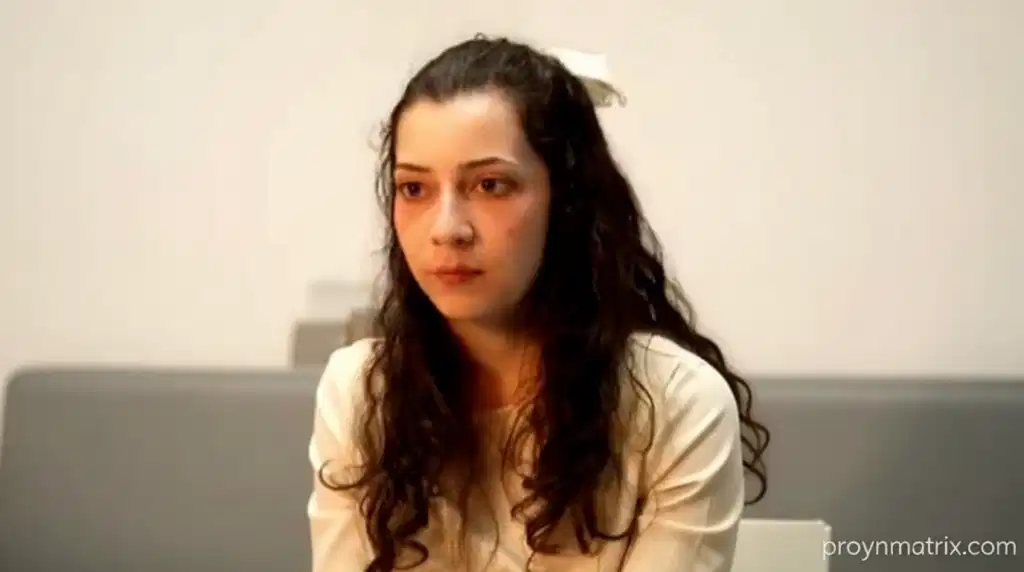
Spain Grants Euthanasia Request After 20-Month Legal Struggle
On Thursday, Spain granted the final wish of Noelia Castillo, a 25-year-old woman who had endured two years of legal battles to end her life. Her journey under the country’s euthanasia law culminated in a decision that left her family and society divided. Castillo’s story, marked by relentless pain and emotional turmoil, became a focal point for debates on assisted dying in Europe.
A Difficult Life
Castillo’s struggle began after her parents’ divorce when she was 13 years old. The upheaval in her personal life led her to seek refuge in a supervised care center, where she was diagnosed with Obsessive-Compulsive Disorder and Borderline Personality Disorder. She also described three instances of sexual abuse: one involving an ex-partner, another in a nightclub where two men allegedly raped her, and a third incident in a bar with three young men. She chose not to report any of the events.
“I want to leave in peace already and stop suffering, period,” Castillo said days before her death, during an interview with Spanish news channel Antena 3. Her words captured the depth of her anguish, which extended beyond physical pain to encompass a profound sense of despair.
Following the second abuse episode in October 2022, Castillo attempted suicide. Though she survived, the act left her paralyzed from the waist down and reliant on a wheelchair. This became the catalyst for her pursuit of euthanasia. “Sleeping is very difficult for me, and besides that, I have back and leg pain,” she explained. Yet, she stressed that her suffering was not solely physical.
Legal Challenges
Castillo’s request was approved on July 18, 2024, by the Catalonia Guarantee and Evaluation Commission. The body concluded that her condition—described as “nonrecoverable”—resulted in severe dependence, chronic pain, and disabling emotional distress. However, her father, influenced by the conservative Christian Lawyers group, launched a legal campaign to halt the process, questioning her ability to make such a choice.
“He has not respected my decision and he never will,” Castillo remarked. She expressed confusion about her father’s stance, citing their distant relationship. “He ignores me. So why does he want me alive? To keep me in a hospital?”
The legal dispute escalated through five judicial stages: a Barcelona court, Catalonia’s High Court of Justice, Spain’s Supreme Court, the Constitutional Court, and the European Court of Human Rights. Despite this prolonged challenge, none of the courts ruled against her. Each found her mentally competent and eligible for euthanasia.
Final Moments
Castillo’s determination ultimately prevailed. “I finally did it, and now maybe I can finally rest,” she told the Antena 3 journalist. She expressed relief from the weight of her family’s presence, requesting solitude in her final hours. “I don’t want anyone inside” her room, she said. “I don’t want them to see me close my eyes.”
Castillo’s case highlights the intersection of personal suffering and legal frameworks in Spain. Assisted suicide has been legal since June 2021, but her approval process revealed the emotional and bureaucratic hurdles faced by those seeking it. Her story continues to resonate in discussions about the right to die and the role of family in end-of-life decisions.
