
How international news outlets report under Israel’s military censor during wartime
How international news outlets report under Israel’s military censor during wartime
During periods of conflict, the Israeli military imposes strict control over the flow of information. This system ensures that any content potentially exposing critical defense data or threatening the nation’s safety must be reviewed and approved by censors. The focus is especially acute in wartime, where the restriction extends to live broadcasts that could reveal the positions of missile defense systems or locations struck by enemy fire.
The 1988 directive from the Chief Censor mandates that anyone publishing material related to state security must submit it for scrutiny before release. This rule, which has been in effect since Israel’s establishment, outlines the process by which media and individuals are monitored. Notably, it does not grant censors the authority to shape editorial content, such as CNN’s reporting. Instead, it ensures that sensitive details are not inadvertently disclosed.
International media outlets typically interact with censors through embedded reporting with the Israel Defense Forces (IDF). Reporters capture footage and allow the censors to review it before airing, a standard practice in military collaborations. CNN, for instance, has previously negotiated terms with the U.S. military for access to training exercises. However, in this war, the rules have become more stringent, targeting not just domestic content but also the work of global outlets.
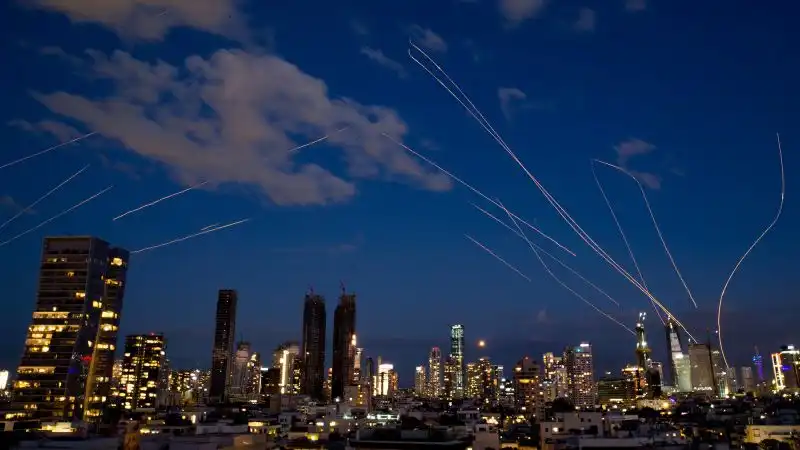
Since the Hamas attack on October 7, 2023, which saw thousands of rockets launched at Israeli targets, the censorship has evolved. Initially, live coverage of missile intercepts was permitted, particularly in southern and central regions. Now, the military has banned such broadcasts, even as most intercepts are neutralized. This shift has raised concerns about the extent of control over real-time reporting.
CNN has maintained transparency about the process, though it has not submitted any footage to the censor since the war began. The media outlet operates under the principle that live broadcasts are restricted only when they could expose tactical details. Despite this, the censor has intensified oversight, emphasizing the need for caution in revealing the precision or location of Iranian ballistic missiles.
“Anyone who endangers Israel’s citizens in the name of ‘journalistic reporting’ will face a determined and tough police force,” stated Israeli far-right Minister of National Security Itamar Ben Gvir. He added that police have been sent to multiple locations, with suspects detained, incidents investigated, and arrests made in cases of suspected violations. “No concessions, no games,” Ben Gvir emphasized, framing the censor as a tool for enforcing strict adherence to guidelines.
While the system applies to all Israelis, the focus on international media has intensified. Social media and Telegram channels show widespread public sharing of missile intercepts, yet the censor prioritizes controlling external outlets. This approach highlights the growing influence of the military in shaping the narrative of the conflict, even as it seeks to balance transparency with security needs.
