
How the EU protects citizens and the economy in times of war and crisis
How the EU protects citizens and the economy in times of war and crisis
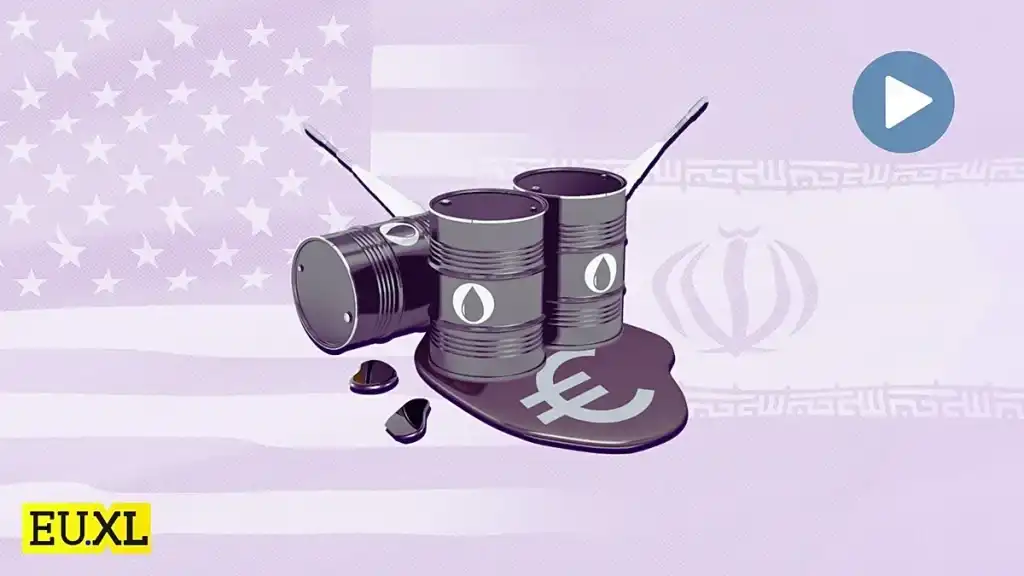
Amid rising tensions between Israel, the US, and Iran, the European Union has taken proactive steps to shield its people and economic systems. The organization’s response includes arranging evacuation efforts and monitoring energy supplies, aiming to mitigate risks linked to the unfolding conflict.
On March 6, EU foreign ministers issued a warning that the escalating conflict threatens Europeans in the region and could trigger broader global economic disruptions.
Member states have activated their contingency plans, with embassies issuing alerts about travel risks and tracking nationals overseas. Evacuation flights have been organized to ensure swift removal of citizens from affected areas. In the event of a critical situation, countries can call upon shared resources like aircraft, medical units, and power generators, with coordination managed continuously from Brussels.
The EU’s focus on securing energy supplies has intensified due to the disruption of the Strait of Hormuz, a vital route for oil transport. This bottleneck has led to surges in global energy costs, prompting the union to enhance maritime oversight to maintain the passage’s stability.
While individual nations maintain their emergency oil reserves, they also have the authority to impose price caps or offer direct aid to households impacted by the crisis. These actions are part of a broader strategy to stabilize markets and support vulnerable populations.
Despite these efforts, several hurdles persist. The EU lacks a centralized mechanism to control oil pricing, with member states handling their reserves independently. Additionally, real-time data sharing on fuel supplies remains inconsistent, limiting the effectiveness of coordinated responses. Brussels may not halt wars, but it can minimize their fallout when they extend beyond borders.
