
Border Patrol’s Gregory Bovino to retire, sources say
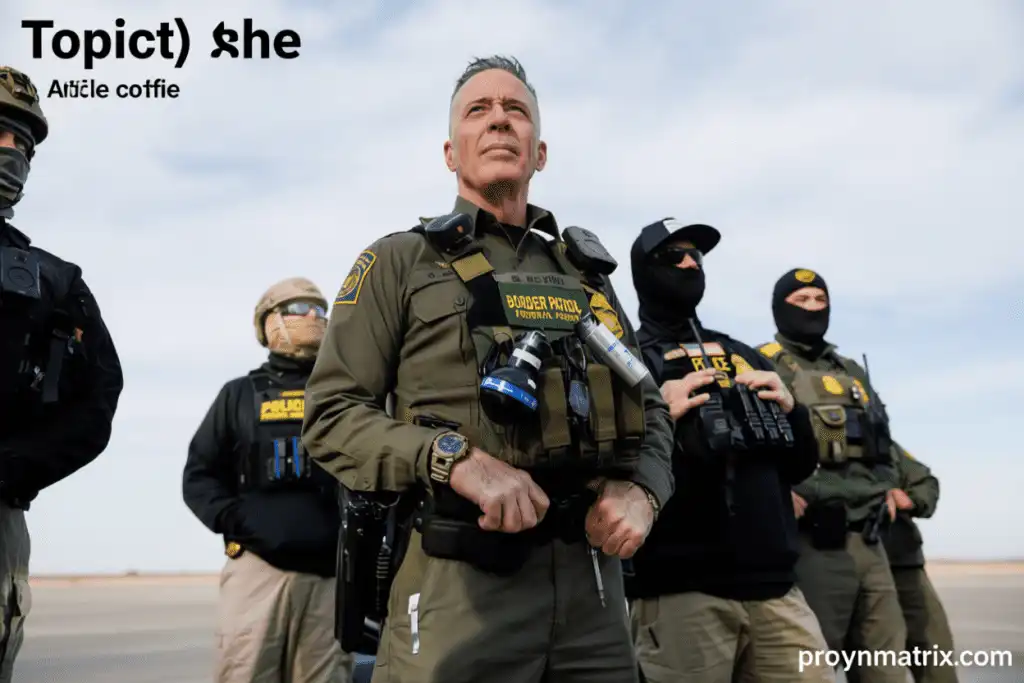
Border Patrol’s Gregory Bovino to retire, sources say
According to internal sources, Gregory Bovino, the head of the U.S. Border Patrol, will step down from his position at the end of the month. The decision follows his recent reassignment to the role of sector chief in El Centro, California, after being relieved of his national leadership duties in January. Bovino’s exit aligns with the timeline for Homeland Security Secretary Kristi Noem’s departure from the role, as her final day was set for the same month.
Bovino had previously led aggressive immigration enforcement efforts in cities such as Minneapolis, Chicago, and Los Angeles. The shift in his responsibilities came after the fatal encounters of two U.S. citizens, Renee Good and Alex Pretti, during operations in Minneapolis. His retirement is also notable for coinciding with the announcement of Noem’s tenure ending, a timing that reflects broader changes within the administration.
Leadership and Retirement Eligibility
As commander of Customs and Border Protection, Bovino reported directly to Noem and her advisor, Corey Lewandowski. The agency confirmed his retirement plans, with one year remaining until the mandatory retirement age of 57. An internal email revealed his frustration in Chicago, where he was directed to prioritize “targeted” arrests over comprehensive immigration enforcement during a high-profile operation.
Before his national role, Bovino was stationed in California’s Kern County, where his tactics sparked legal action. A lawsuit alleged that agents used discriminatory practices, pulling individuals from vehicles based on appearance and skin color. Similar methods were later applied in Minneapolis, Los Angeles, and other regions like New Orleans and Charlotte, North Carolina.
Controversial Tactics and Legal Challenges
Bovino’s enforcement style, including deploying gas canisters in protest crowds, drew criticism. A federal judge rebuked him after he violated an order by using chemical agents in residential areas. The judge also noted Bovino’s repeated claims about threats from immigrants and protesters, which were later contradicted by video evidence. For instance, he initially asserted that he threw a gas canister after being struck by a rock, but this was proven false.
“When we discover any alleged or potential misconduct, we immediately refer it for investigation and cooperate fully with any criminal or administrative investigations,” said a Department of Homeland Security spokesperson.
The incidents in Minneapolis culminated in the deaths of Good and Pretti. Good, 37, was shot three times, including in the head, on January 7 during an encounter with ICE officer Jonathan Ross. Pretti, also 37, was fatally wounded on January 24 when two CBP officers fired multiple rounds at him, according to a Homeland Security report. The report did not specify whether both shots hit their target.
Bovino’s actions in Los Angeles, including sweeping arrests at workplaces and residences in the Fashion District, led to five days of protests. Trump responded by deploying the National Guard and Marines to the area. His strategies, such as agents emerging from rental trucks to detain day laborers, were later replicated in other cities under the administration’s approval.
His tactics in Kern County had already faced scrutiny, with claims of using deceptive methods to encourage voluntary departures. These allegations, along with accusations of racial targeting, contributed to the legal challenges against his approach. Despite this, the agency defended its actions, emphasizing that enforcement was “highly targeted” and that misconduct cases were promptly addressed.
