
How Pakistan positioned itself at the centre of global crisis management
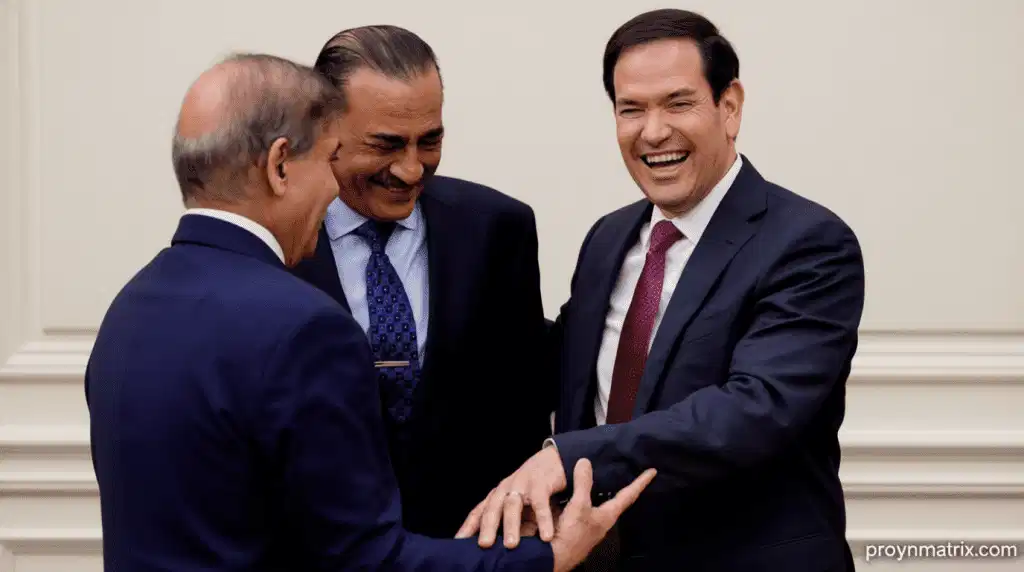
How Pakistan positioned itself at the centre of global crisis management
In the tense environment of Middle Eastern diplomacy, where the boundary between conflict and peace is blurred by ongoing air strikes and shifting energy market dynamics, Pakistan has emerged as an unexpected player. Traditionally seen through the prism of economic vulnerability and political instability, the nation has now taken a bold step by offering itself as a mediator between the United States and Iran.
A sudden proposal, unexpectedly introduced, suggested Islamabad as a neutral ground for direct talks between the Trump administration and Iran’s leadership. If this initiative materializes, it could signal a temporary halt to a conflict disrupting global energy markets and escalating fears of a broader regional war. More significantly, it would redefine Pakistan’s strategic role, shifting its image from a security risk to a key diplomatic actor.
“This position has not emerged overnight; it is the result of a sequence of decisions over the past year that have collectively restored Pakistan’s diplomatic reach,”
said an Islamabad-based security official, speaking anonymously to Middle East Eye.
Pakistan’s decision to mediate reflects pragmatic concerns rather than ambitious geopolitical goals. The country is currently balancing a fragile economic recovery under IMF-imposed austerity measures, with regional tensions threatening its already strained finances. Escalating hostilities between Iran and its rivals have driven oil prices higher, intensifying energy insecurity across Asia and placing Pakistan in a precarious financial position.
The nation’s 900-kilometre border with Iran, historically a route for militant activity and smuggling, poses a risk of further destabilization. If the conflict expands, it could exacerbate volatility in border regions where Pakistani control is tenuous. Meanwhile, internal sectarian dynamics complicate the situation. With approximately 15-20% of its 240 million population identifying as Shia, Pakistan remains acutely attuned to developments in Tehran.
“The assassination of Iran’s Supreme Leader Ayatollah Ali Khamenei at the conflict’s onset sparked violent demonstrations in multiple Pakistani cities, highlighting how swiftly Middle Eastern crises ripple domestically,”
noted Middle East Eye.
Domestic security is also under threat from Islamist militants operating from Taliban-controlled Afghan territory. These groups continue to target Pakistan’s western regions, while a separatist insurgency persists in the south. The combination of external pressures and internal threats has pushed Islamabad to prioritize diplomatic engagement as a means of self-preservation.
Pakistan’s strategic alliances with Gulf nations, especially Saudi Arabia, add another layer to its position. A defense pact signed in September, based on collective security principles, has raised questions about Islamabad’s ability to resist military involvement if the conflict intensifies. Analysts argue that Pakistan’s flexibility may be constrained in such a scenario.
“Pakistan, situated at the conflict’s edge, clearly favors steps to end the war rather than being drawn into it,”
wrote Michael Kugelman, a Washington-based strategist, on X.
