
Slow genocide: Death and displacement continue in Gaza months into ceasefire
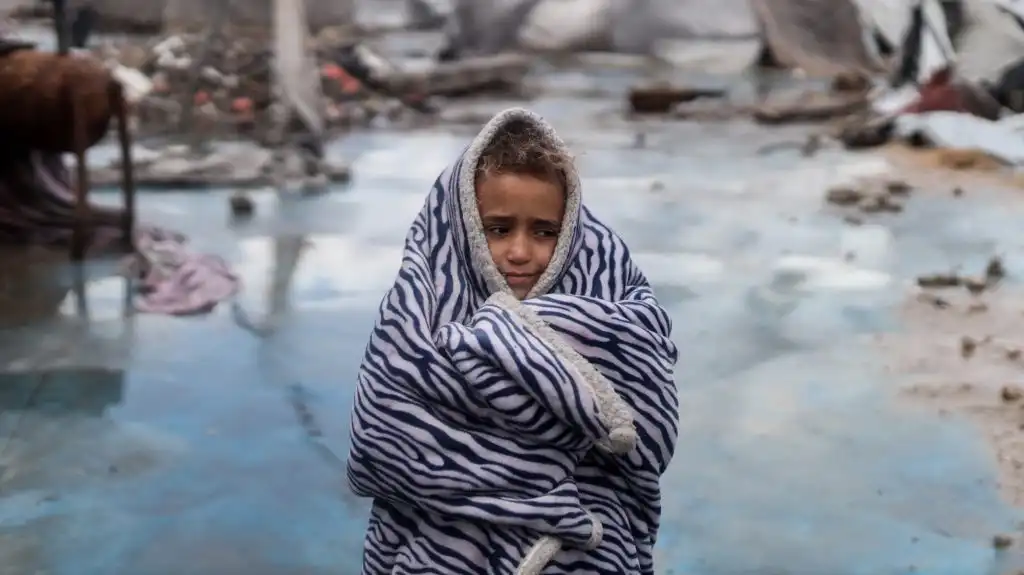
Ceasefire’s Silent Toll: Gaza’s Population Still Faces Dire Challenges Months Later
Najat Sayed al-Hessi, a 61-year-old Palestinian resident of Gaza, has endured 27 months without a single dose of her required cancer treatment. The ceasefire halted most bomb attacks, yet the disease continues to advance unchecked in her body.
“
The situation for cancer patients in Gaza remains unchanged since the ceasefire,” she said, with the disease advancing without interruption.
Her scheduled visit to Ramallah for treatment and injections on 7 October 2023, the day the conflict erupted, was postponed indefinitely. Since then, medical referrals to areas outside Gaza have ceased, and local hospitals lack the capacity to deliver even basic care for cancer patients.
Al-Hessi’s experience mirrors the broader crisis gripping the enclave. Nearly two million Gazans still endure severe hardships three months after the ceasefire. Two years of Israeli bombardments have dismantled much of the region’s civilian infrastructure and healthcare system, leaving residents with little hope of recovery.
Residents had anticipated the October ceasefire would ease suffering and create a path toward healing. However, sustained Israeli restrictions on border crossings, aid, and supplies have shifted the crisis from intense violence to a prolonged state of deprivation.
Al-Hessi is one of 11,000 cancer patients in Gaza. Approximately 3,500 hold referrals for treatment abroad, but Israeli authorities have denied them passage. Her referral, issued six months ago, has proven futile due to blocked borders. Recently, she visited her local clinic for back pain but found no medications available, leaving her without relief for a slipped disc and osteoporosis.
“
I asked them to give me anything, at least some vitamins, but they said they had nothing for my case,” she recalled.
The Palestinian health ministry reported that Israeli restrictions have led to critical shortages across the medical sector. As of November, 56% of essential drugs, 68% of medical consumables, and 67% of lab supplies were out of stock. Without access to screening services, patients like al-Hessi cannot determine the extent of their condition.
“
The last time I saw a doctor, he told me the cancer may have reached my lungs. I am dying slowly,” al-Hessi said.
Dr Muhammad Abunada, medical director of Gaza’s Cancer Centre, told Middle East Eye that the region faces a 70% shortage of cancer medications and painkillers. The remaining 30% are largely ineffective, as patients often receive just one or two of the three required medications, leaving them without complete treatment.
He noted that death rates among cancer patients have tripled since the war began. Previously, one patient died daily; now, two or three do so each day. This surge is attributed to the lack of adequate treatment and the ongoing need for medical evacuation to access care abroad.
Research indicates the mortality crisis extends beyond cancer patients, affecting the entire population. Unicef data reveals a 75% increase in newborn deaths at birth during the war’s final three months. Between July and September, 47 newborn deaths were recorded monthly, nearly doubling the 27 recorded in 2022.
Despite the ceasefire, threats persist. Israeli bombardments and gunfire continue to kill Palestinians daily, while families remain at risk of displacement, losing homes to ongoing military operations and land annexation efforts.
