
Syria walks back Damascus alcohol ban after outcry from residents
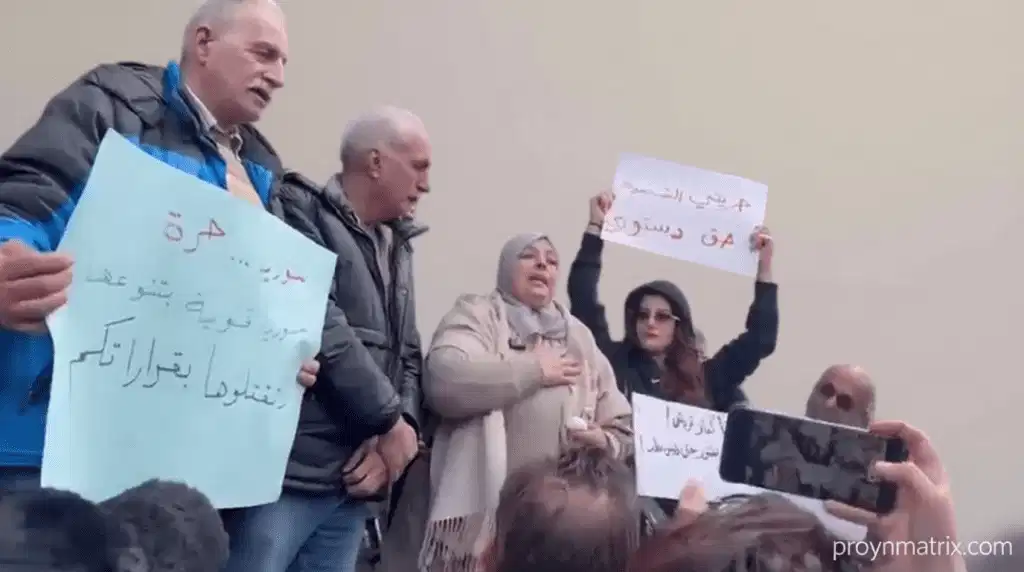
Syria’s Government Reverses Alcohol Ban in Damascus Amid Resident Protests
Syria’s authorities have reversed an alcohol prohibition in Damascus following public backlash and claims of religious bias. The initial restriction, announced on Monday, barred the sale of alcoholic beverages in restaurants and nightclubs citywide, with exceptions granted to the Christian districts of Bab Touma, Qassaa, and Bab Sharqi.
The decree cited “numerous” complaints from locals, stating the measure aimed to “eradicate behaviors conflicting with public morality.” However, the policy sparked criticism, prompting the governorate to issue a clarification on Sunday that expanded the ban’s exceptions to include tourism-related establishments like hotels and designated venues.
“The Damascus Governorate apologizes to our people in Bab Touma, Qassaa, and Bab Sharqi for the misunderstanding caused by the decision, which was distributed improperly,” the statement read.
The governorate emphasized these areas represent the capital’s cultural and historical core, vowing to reassess the restrictions to avoid marginalizing any community.
Context of the Transitional Government
Since toppling Bashar al-Assad in December 2024, the interim administration under President Ahmed al-Sharaa has generally avoided strict social controls. Yet recent measures, such as a January ban on female public sector workers wearing makeup and mandatory full-body swimsuits at beaches, have raised doubts about shifting priorities.
Despite the majority of Syrians being conservative Sunni Muslims who abstain from alcohol for religious reasons, secular Sunnis and minority groups view the ban as a threat to personal freedoms. Residents in Bab Touma protested on Sunday, highlighting broader grievances.
“Restricting alcohol sales to primarily Christian areas could render them prime targets for terrorist attacks, recalling past assaults on the community,” a statement from Christian advocacy groups warned.
The groups argued such policies, even if unintended, risk exacerbating vulnerabilities and undermining unity.
Challenges in Governance
The transitional government faces multifaceted pressures, including domestic unrest, Israeli attacks, and complex diplomatic ties. In October, parliamentary elections were held, with Sharaa personally selecting a third of the seats while local committees assigned the rest.
Notably, the Druze-majority Sweida province and the Kurdish-held northeast were excluded, leaving 32 seats vacant. The temporary constitution, enacted in March, outlines parliamentary powers until a permanent framework is adopted after a five-year transition.
“Popular elections are impractical in the aftermath of Syria’s 13-year conflict, which claimed hundreds of thousands of lives and displaced millions,” the interim leaders stated.
Nonetheless, the selection process disappointed pro-democracy advocates who anticipated more inclusive governance post-Assad’s fall.
