
Why ceasefire deal with US has unsettled Iran’s hardliners
Why Ceasefire Deal with US has Unsettled Iran’s Hardliners
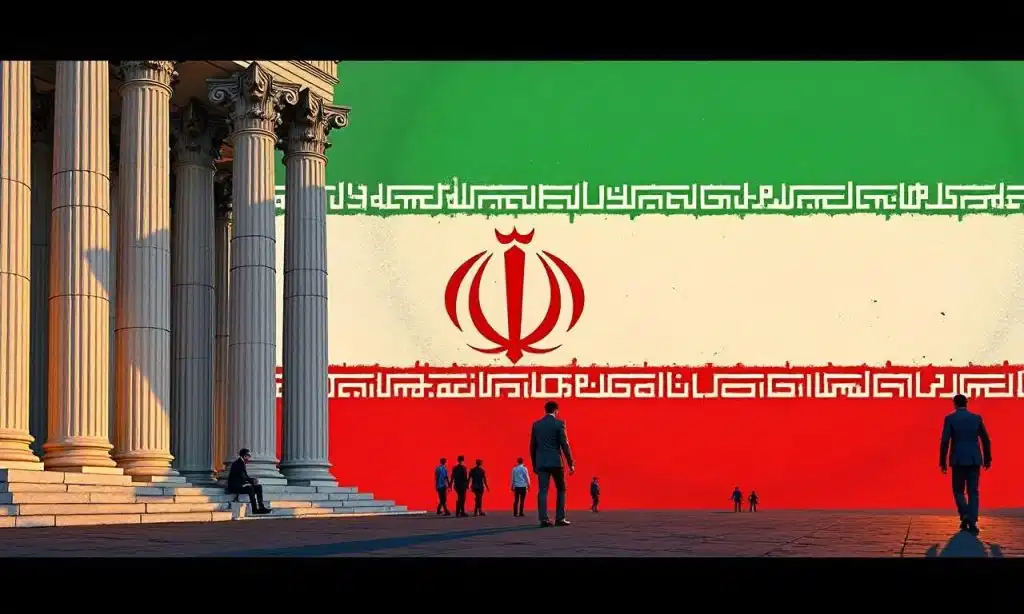
Just days prior, hardliners in Tehran unveiled a massive poster at a key traffic hub in the capital, declaring,
“The Strait of Hormuz will remain closed.”
This message was intended to reflect the new Supreme Leader, Mojtaba Khamenei, who had taken over after his father’s assassination. Yet the display may soon be altered following Iran’s decision to accept a two-week pause in hostilities and reopen the strait as urged by Pakistan. The agreement, facilitated by Pakistani Prime Minister Shehbaz Sharif and his military chief, comes despite Iran’s insistence on a permanent end to the conflict with the United States and Israel.
Iran’s hardline factions are frustrated by the compromise. They had hoped to leverage the strait’s closure to pressure Gulf nations, using missile strikes and drones to disrupt economic flows. The temporary truce, however, marks a shift from their aggressive stance, as they argue the country should have kept the war momentum. Reports indicate that the Basij volunteer militia, under the Islamic Revolutionary Guard Corps, marched to the foreign ministry overnight to protest the deal, while flames were reportedly set to US and Israeli flags shortly after the announcement.
The Supreme National Security Council (SNSC), Iran’s top decision-making body under the supreme leader, authorized the agreement. Led by President Masoud Pezeshkian, a more moderate figure, the council saw the ceasefire as a strategic move to ensure safe passage through the strait for two weeks, in exchange for talks with the US. Chinese influence appears pivotal in persuading Iran to adopt this approach, despite the country’s previous stance against temporary pauses.
The 40-day conflict has taken a heavy toll, with over 3,000 deaths reported by human rights groups. US President Donald Trump had threatened even greater devastation, prompting Iran’s leadership to seek an end to the fighting while retaining leverage. Even within the hardline ranks, the need for a resolution has become evident as infrastructure damage intensified. Just hours before the ceasefire, Chief Justice Gholamhossein Mohseni Ejei echoed sentiments similar to those of former foreign minister Mohammad Javad Zarif, who had written in the US publication
“The war’s end must be achieved while maintaining strategic advantage.”
The SNSC framed the deal as a tactical triumph, urging supporters to stay aligned. Meanwhile, the Speaker of Parliament, Mohammad Bagher Ghalibaf, will lead Iran’s delegation in negotiations with the US in Islamabad, directly engaging with Vice President JD Vance. This marks a departure from past policies, as direct talks with the US were previously prohibited under Ayatollah Ali Khamenei. The new leader, Mojtaba Khamenei, appears to have endorsed this change.
Although the ceasefire brings temporary relief, lasting peace remains elusive. If negotiations falter, the war could restart, leaving some Iranians who backed the conflict still hopeful for a broader showdown against what they view as an oppressive regime. For others, the truce offers a much-needed break from the ongoing destruction and loss of life.
