
NASA announces new Mars mission, reshapes goals on the moon
NASA announces new Mars mission, reshapes goals on the moon
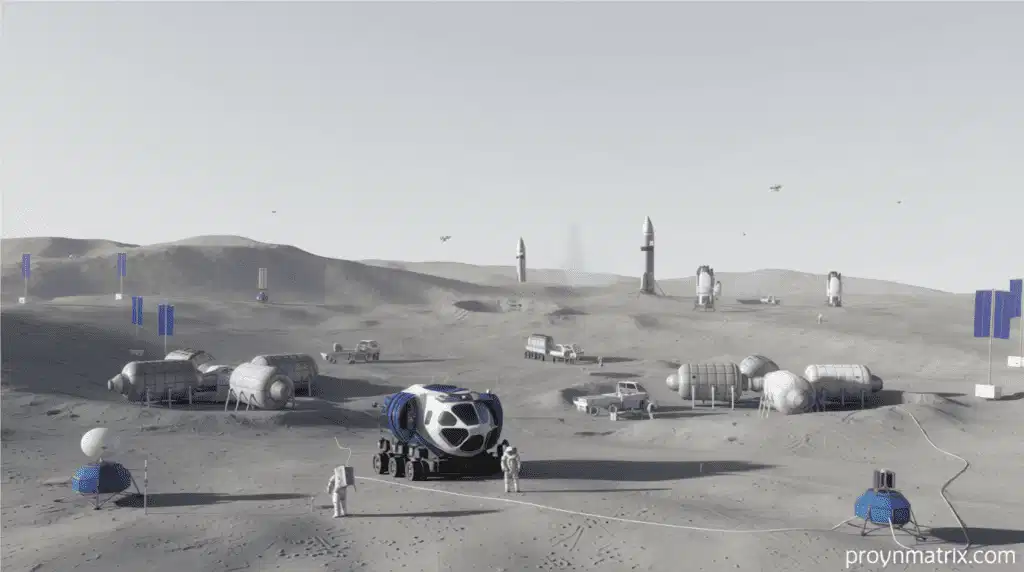
Jared Isaacman, NASA’s newly appointed head, is redefining the agency’s objectives. At a gathering in Washington, D.C., on Tuesday, he unveiled a bold strategy that includes overhauling lunar ambitions and accelerating plans for a moon base. NASA has long sought to create a permanent habitat for astronauts, but Tuesday marked the first public release of a timeline and framework for these endeavors.
“The moon base will not appear overnight,” Isaacman stated during the Ignition event. “We will invest approximately $20 billion over the next seven years and construct it through multiple missions.”
With the International Space Station nearing its end, the U.S. faces challenges in maintaining its space presence. It remains uncertain how much of the $20 billion allocation will be redirected from other projects or if new funds will be necessary. Additionally, Isaacman highlighted other initiatives, such as a nuclear-powered Mars vehicle, targeting a launch by 2028 — a rapid schedule for space exploration.
Gateway Station Revisions
Among the updates announced, NASA will temporarily halt collaboration with international partners on the Gateway space station. Originally designed as a lunar orbit hub for coordinating surface missions and beyond, the station will now focus on supporting the construction of the lunar base using existing resources. “Significant parts of exiting Gateway hardware and facilities can be directly repurposed for near-term exploration objectives,” noted Carlos Garcia-Galan, NASA’s Moon Base program executive.
Artemis Program and Lunar Exploration
Isaacman’s vision includes ramping up robotic landings on the moon, aiming for a monthly frequency. Since January 2024, NASA and commercial partners have sent four landers, with mixed results. These automated missions will complement crewed efforts under the Artemis program, which seeks to return humans to the lunar surface for the first time in 50 years. The first crewed mission, Artemis II, is scheduled for April 1 and will orbit the moon without landing. The goal is to establish crewed landings by early 2028, followed by regular missions thereafter.
Isaacman’s plan demands shifts in NASA’s requirements and contracts. He emphasized the need to streamline operations and reimagine the role of space infrastructure, particularly with the Gateway station sidelined. He also signaled a determination to avoid past delays, where contractors received billions yet underperformed. For instance, both the Orion crew capsule and Space Launch System rocket, developed by industry partners, have faced challenges.
