
Iran says it will ‘irreversibly destroy’ Middle East infrastructure if US attacks energy sites
Iran says it will ‘irreversibly destroy’ Middle East infrastructure if US attacks energy sites
Escalation Threat
Tehran has vowed to ‘irreversibly destroy’ critical infrastructure throughout the Middle East in response to potential US strikes on its energy facilities. This declaration came shortly after President Donald Trump issued a warning to ‘obliterate’ Iran’s power plants if the Strait of Hormuz remained closed beyond two days. The Iranian military’s operational command, Khatam al-Anbiya, added that the strait would be ‘completely closed’ until Iran’s power plants were rebuilt, following a strike that had already disrupted shipping.
Strait of Hormuz Closure
Iranian attacks have effectively shut down the narrow strait of Hormuz, a crucial route for global oil and liquefied natural gas. The closure has triggered the worst oil crisis since the 1970s, while European gas prices surged by 35% last week. Only a small fraction of vessels, roughly 5% of pre-war levels, from allied nations like China, India, and Pakistan have been permitted to transit the waterway.
Casualties and Impact
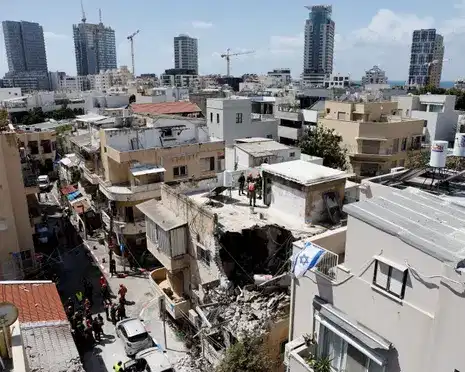
Missiles struck two southern Israeli cities overnight, injuring dozens and damaging buildings. These strikes marked the first time Iranian missiles breached Israel’s air defense systems in the region. Over 200 people were wounded, including two young children in critical condition. The attacks intensified pressure on Israel’s defense networks, with further strikes causing additional casualties in Tel Aviv.
Iranian Retaliation
Iran’s speaker of parliament, Mohammad Bagher Ghalibaf, stated that vital infrastructure—including energy and communications systems—would become ‘legitimate targets’ after an attack on Iran’s own facilities. The Iranian government also warned it would strike Israel’s power plants, as well as US bases and companies with American ties, in a broader campaign of retaliation.
Israeli Response
Following the missile attacks, Israeli forces announced plans to retaliate against Tehran. Prime Minister Benjamin Netanyahu emphasized targeting Iran’s Revolutionary Guards, calling them a ‘criminal gang’ and vowing to pursue their leaders, installations, and economic assets. The Israeli military confirmed it could not intercept the missiles that hit Dimona and Arad, two cities near the Negev Desert nuclear center.
Nuclear Facilities and Strategic Context
Iran claimed its attacks were a response to a Saturday strike on its main nuclear enrichment facility at Natanz. Israel denied responsibility for that strike, while the Pentagon remained silent. The incident highlighted the strategic significance of the Negev Desert nuclear site, which is believed to house the Middle East’s sole nuclear arsenal. Israel has never officially acknowledged possessing nuclear weapons, insisting the facility serves research purposes only.
Regional Tensions
The conflict has claimed over 2,000 lives since February 28, when the US and Israel began targeting Iran. Lebanon joined the fray after Iran-backed Hezbollah launched attacks on Israel. Air raid alarms echoed across Israel on Sunday morning, signaling incoming missiles. The ongoing strikes underscore the growing risk of war expanding beyond its current scope.
