
Iran threatens Gulf energy facilities after Israeli attack on its largest gasfield
Iran threatens Gulf energy facilities after Israeli attack on its largest gasfield
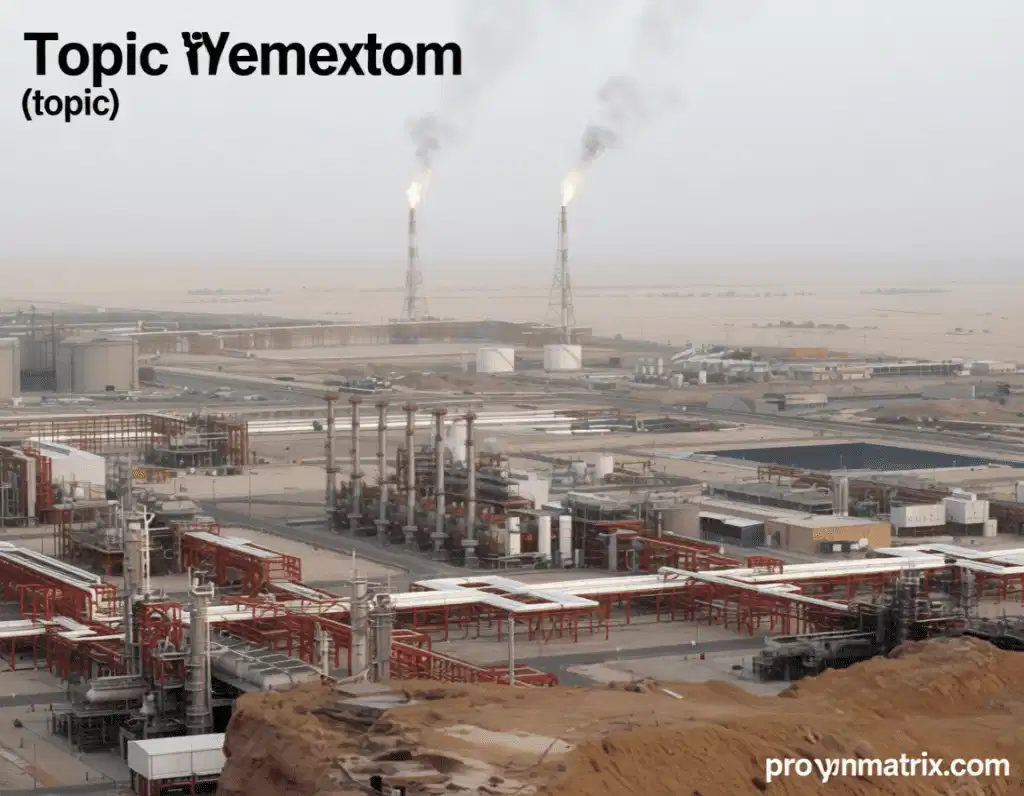
Iran has vowed to strike energy facilities across the Gulf region in response to Israeli assaults on its primary gasfield, the first direct hits on its fossil fuel production since the conflict commenced. The Revolutionary Guards issued warnings of imminent counterattacks on key installations in Saudi Arabia, the UAE, and Qatar, following reports that Israeli missiles had damaged the South Pars field, a shared global gas reserve. These strikes, attributed to Israel with U.S. approval, have intensified tensions, signaling a major shift in military operations.
Escalation and Market Reactions
The attack on Iran’s gas infrastructure has triggered a sharp rise in oil prices, with benchmarks reaching $110 a barrel as fears of supply disruptions grew. Simultaneously, Europe’s gas prices surged by over 7.5%, hitting €55.50 per megawatt hour. The move comes amid ongoing concerns over the strait of Hormuz blockade, which has further compounded global energy anxieties.
“These centres have become direct and legitimate targets and will be targeted in the coming hours. Therefore, all citizens, residents, and employees are requested to immediately leave these areas and move to a safe distance without any delay,” the warning said.
Iran’s state media listed Saudi Arabia’s Samref refinery and Jubail petrochemical complex, the UAE’s al-Hosn gasfield, and Qatar’s Mesaieed facilities as potential targets. Governor Eskandar Pasalar of Asaluyeh condemned the U.S.-Israeli escalation as “political suicide,” stating that “the pendulum of war has swung” to a “full-scale economic war.”
A Qatari official, Majid al-Ansari, warned that attacking energy infrastructure “constitutes a threat to global energy security, as well as to the peoples of the region and its environment.” The assault on the South Pars field, shared with Qatar, underscores a strategic shift in the conflict, with the U.S. and Israel previously avoiding direct strikes on Iran’s oil and gas sector.
Early in the week, global oil prices surpassed $116 a barrel, the highest since May 2022, as traders factored in the war’s toll on supply chains. The third week of hostilities saw Iranian strikes on the UAE’s Shah natural gasfield, alongside attacks on the Iraqi Majnoon oilfield and Fujairah port. Daily oil exports from the region have dropped by at least 60% due to strikes and Iran’s control of the Hormuz strait.
