Trump Condemned for Threat of Iran’s ‘Civilisation Dying’
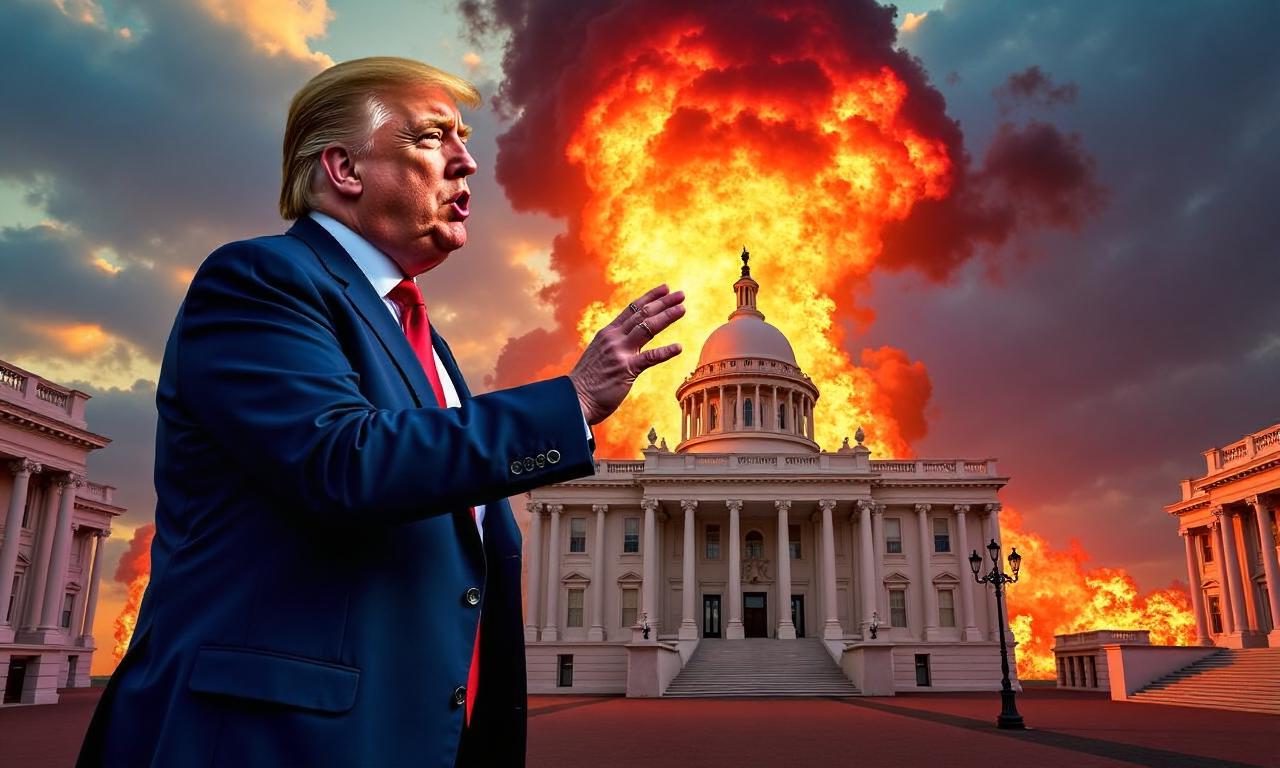
Donald Trump faced international criticism after issuing a stark warning that Iran’s ‘civilisation will die tonight’ if it fails to reach an agreement to end the conflict and clear the Strait of Hormuz. UN Secretary-General António Guterres expressed concern over statements implying civilian populations would suffer due to political and military actions. Meanwhile, Pope Leo XIV called the threat ‘unacceptable,’ emphasizing its potential impact on ordinary people.
As the midnight GMT deadline approached, Pakistan, acting as a regional mediator, proposed extending the timeframe by two weeks to facilitate further negotiations. Prime Minister Shehbaz Sharif of Pakistan stated on X that diplomatic efforts in the Middle East conflict were ‘progressing steadily’ and urged Iran to ‘open the Strait of Hormuz for a corresponding period of two weeks as a goodwill gesture.’ The White House confirmed Trump had been informed of the request but declined to comment immediately.
Iranian authorities encouraged citizens to form human chains near critical infrastructure, including bridges and power plants, in response to the escalating tensions. The US and Israel had intensified military strikes earlier in the week, targeting military sites on Kharg Island’s oil terminal and eight railway bridges. Iran claimed its oil facilities remained undamaged, though reports indicated casualties in Alborz province and the destruction of a synagogue in Tehran.
Trump’s warning included an apocalyptic vision: ‘A whole civilisation will die tonight, never to be brought back again. I don’t want that to happen, but it probably will,’ he wrote on Truth Social. The president also suggested that if no deal was reached, US forces could destroy Iran’s bridges and power plants within hours. Vice-President JD Vance acknowledged the hope for a resolution but noted the US had ‘tools in our tool kit’ to escalate action if necessary, though the White House later ruled out nuclear weapons as the implied option.
Israel’s Prime Minister Benjamin Netanyahu claimed the country’s fighter jets targeted Iranian railway tracks and bridges, accusing the Islamic Revolutionary Guard Corps (IRGC) of using them to transport arms and personnel. Iranian officials reported strikes damaging a bridge in Kashan and tracks in Karaj, near Tehran, while state media highlighted the loss of 18 lives in Alborz province. The IRGC vowed to retaliate globally if the US crossed ‘red lines,’ threatening to disrupt oil and gas supplies for years by attacking key infrastructure.
Iranian President Masoud Pezeshkian had earlier stated over 14 million Iranians had ‘registered to sacrifice their lives to defend Iran.’ The crisis underscores growing regional fears of a broader conflict, with both sides escalating rhetoric and military actions in a high-stakes standoff.
“A whole civilisation will die tonight, never to be brought back again. I don’t want that to happen, but it probably will.”
“I tell you constantly that we are crushing the terrorist regime in Iran. But we are doing so with even greater vigour, and with increasing force.”