World Urban Forum Concludes with ‘Baku Call to Action’ on Housing Crisis
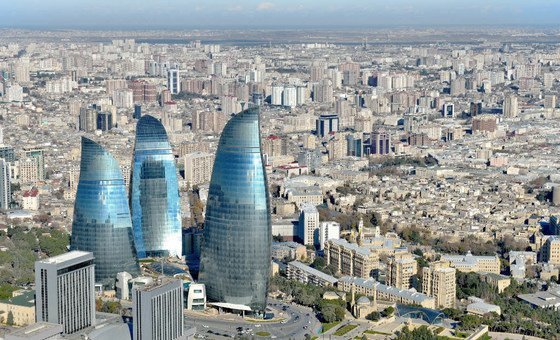
World Urban Forum backs Baku Call – The 13th edition of the World Urban Forum concluded on Friday in Baku, Azerbaijan, marking a historic milestone as the event attracted over 57,000 attendees from 176 nations. This record-breaking turnout underscored the global significance of the gathering, which emphasized the need for a transformative approach to address the housing crisis affecting billions worldwide. The Forum, organized jointly by UN-Habitat and the Azerbaijani government, concluded with the adoption of the Baku Call to Action, a comprehensive framework aimed at uniting governments, cities, and communities in tackling housing challenges through integrated, equitable solutions.
A Global Framework for Urban Transformation
The Baku Call to Action, shaped by insights from 176 countries, outlines a unified strategy to reorient urban development. Central to this initiative is the reframing of housing as a systemic issue rather than an isolated construction challenge. By connecting housing to land use, infrastructure, transportation, and economic opportunities, the plan seeks to create a holistic approach that addresses the root causes of the crisis. This perspective highlights how housing is deeply intertwined with broader socio-economic and environmental factors, requiring coordinated action across multiple sectors.
Another key focus is confronting the intertwined pressures driving the housing crisis. These include surging costs, speculative land practices, displacement, inadequate governance, and climate-related disruptions. The Call to Action advocates for integrated, people-centered solutions that address these challenges simultaneously, ensuring that urban development prioritizes inclusivity and resilience. For instance, addressing rising costs might involve policies that stabilize prices, while combating displacement requires land reform and community engagement.
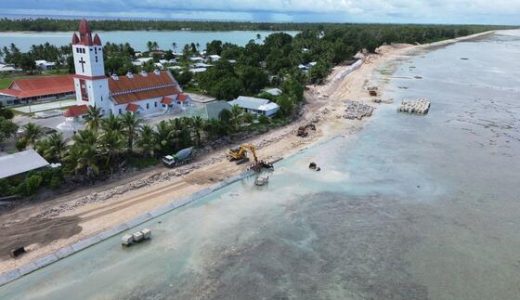
The declaration also underscores the inseparable link between housing and climate justice. Vulnerable populations, often disproportionately affected by climate shocks, face heightened risks of flooding, extreme heat, and environmental degradation. By recognizing this connection, the Baku Call to Action pushes for housing strategies that incorporate climate resilience, such as retrofitting existing buildings and enhancing disaster preparedness. Nature-based solutions, like green spaces and sustainable materials, are highlighted as critical tools to mitigate environmental risks while improving living conditions.
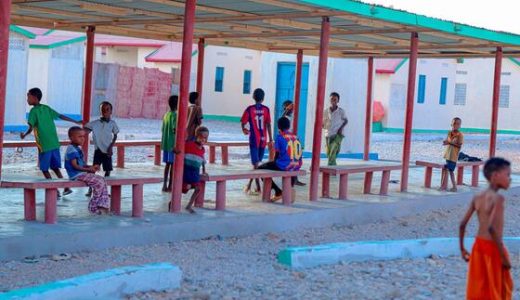
Scaling up climate-resilient housing is another priority. This includes upgrading informal settlements, integrating renewable energy into urban planning, and expanding access to affordable housing through innovative financing models. The initiative calls for a shift from market-driven approaches to more equitable systems that prioritize social welfare. For example, public-private partnerships and targeted subsidies could help ensure that housing remains accessible to low-income households and marginalized groups.
Finally, the Call to Action stresses the importance of translating political pledges into tangible actions. This involves strengthening multilevel governance, ensuring that policies are aligned across local, national, and international levels. Expanded financing mechanisms, better data collection, and support for community-led initiatives are emphasized as essential steps to turn commitments into real-world progress. Local authorities are highlighted as key players, tasked with implementing solutions that reflect the needs of their residents.
Leadership and Global Commitments
“There is no pathway to achieving the 2030 Agenda without sustainable urbanization and adequate housing.” — UN Deputy Secretary-General Amina Mohammed, closing remarks at WUF13
Amina Mohammed, addressing the Forum’s closing ceremony, stressed the centrality of housing in global development. She framed the crisis as a crossroads of major challenges, from poverty and inequality to climate change, conflict, and political instability. Her statement emphasized that cities must be designed to serve all citizens, ensuring safe, affordable, and secure living conditions. The Forum’s conclusion was not just a formal end but a call to action for reimagining urban spaces as engines of opportunity and resilience.
Baku, the host city, played a pivotal role in the gathering. Over the course of the week, the event featured 579 activities, including workshops, panel discussions, and exhibitions, with the largest-ever Urban Expo drawing more than 74,000 visitors. More than 865 journalists covered the proceedings, amplifying the discourse on housing and urban development. The presence of 11 heads of state, 88 ministers, and 130 mayors highlighted the high-level engagement and the urgency with which the issue is being addressed.
Climate Justice and the Human Right to Housing
UN-Habitat Executive Director Anacláudia Rossbach echoed the sentiment that the Forum marked a turning point in housing policy. She emphasized that housing systems are under strain from inequality, real estate speculation, and the climate crisis, with millions pushed into inadequate living conditions. “Housing markets are clearly failing to meet people’s needs,” she stated, noting that the crisis is not merely economic but deeply human. Rossbach argued that housing must be viewed as a fundamental human right, not just a commodity, to ensure that it is accessible to all.
The Baku Call to Action aligns with this vision, advocating for policies that place people at the center of urban planning. By integrating housing with climate justice, the framework aims to protect the most vulnerable from environmental risks while creating sustainable, resilient communities. This approach also underscores the importance of local leadership, with mayors and city officials being positioned as critical actors in delivering solutions.
Challenges and the Road Ahead
Francine Pickup, head of the UN Development Programme (UNDP) delegation at WUF13, highlighted financing as a central obstacle to progress. She noted that smaller and secondary cities often lack the resources to implement effective housing policies, making access to funding a decisive factor in addressing the crisis. The Call to Action proposes innovative financing mechanisms, such as green bonds and impact investing, to bridge this gap and support sustainable urban development.
Amina Mohammed also warned that the Forum coincided with a period of global tension, where the principles of the UN Charter are being tested. She called for renewed cooperation, emphasizing that local authorities are uniquely positioned to respond to crises. “Local governments are the ones answering the phone when the storm hits,” she said, underscoring their role in delivering essential services like water, transportation, and housing. This sentiment was reinforced by Rossbach, who stressed the need for decisive action to prevent further exacerbation of the housing crisis.
As the Forum concludes, the Baku Call to Action serves as a blueprint for global collaboration. It challenges policymakers to move beyond rhetoric and commit to practical, measurable solutions. By aligning urban development with the 2030 Agenda, the initiative aims to create cities that are not only sustainable but also inclusive and resilient. The road ahead requires sustained effort, but the collective resolve of the 57,000 participants offers hope for a more equitable future.
For further insights, you can explore the discussion on Twitter here.