Gaza: Life-saving Medicines Blocked as Killing Continues, Disease Gains Ground
Gaza – The Gaza Strip is facing severe challenges as a result of persistent conflict, deteriorating living conditions, and the rise of infectious diseases. UN agencies have raised concerns that the ongoing obstruction of essential medical supplies is worsening the crisis, leaving residents vulnerable to preventable health complications. This situation has been compounded by the continued presence of violence, which has disrupted healthcare services and created an environment ripe for disease outbreaks.
Dr. Renee Van de Weerdt, the World Health Organization’s representative in the Occupied Palestinian Territory, recently returned from a visit to the war-torn enclave and shared her observations in Geneva. “Nothing prepares you for Gaza,” she remarked, highlighting the stark reality of the region’s healthcare landscape. “I thought the second visit would make things easier. But it just doesn’t.”
According to Dr. Van de Weerdt, the conflict has persisted since the October 2025 ceasefire between Israel and Hamas. While the intensity of direct attacks may have eased, the violence remains relentless. “We hear bombs nearby,” she explained, “and gunfire occurs daily. It’s a constant backdrop to life in Gaza.”
Health Crisis Deepens
Dr. Van de Weerdt painted a grim picture of the healthcare system, citing the alarming frequency of attacks on medical facilities. This year alone, 22 such incidents have been documented, severely limiting the capacity of hospitals to provide adequate care. Only half of the medical facilities in Gaza are described as “partially functional,” and not a single hospital operates at full capacity. The representative emphasized that these shortages are critical to the functioning of the health system.
“One of the primary reasons for this decline is the shortage of essential medical supplies,” she said. Vital resources such as laboratory equipment, reagents, oxygen concentrators, and orthopedic tools are unable to enter the enclave, creating a bottleneck in treatment and prevention. These items are not considered luxuries; they are lifelines for patients and healthcare workers alike.
“We cannot diagnose diseases or detect outbreaks without the necessary tools,” Dr. Van de Weerdt insisted. “This includes items like hantavirus and Ebola virus testing kits. The absence of such equipment means people are at greater risk of dying from preventable conditions.”
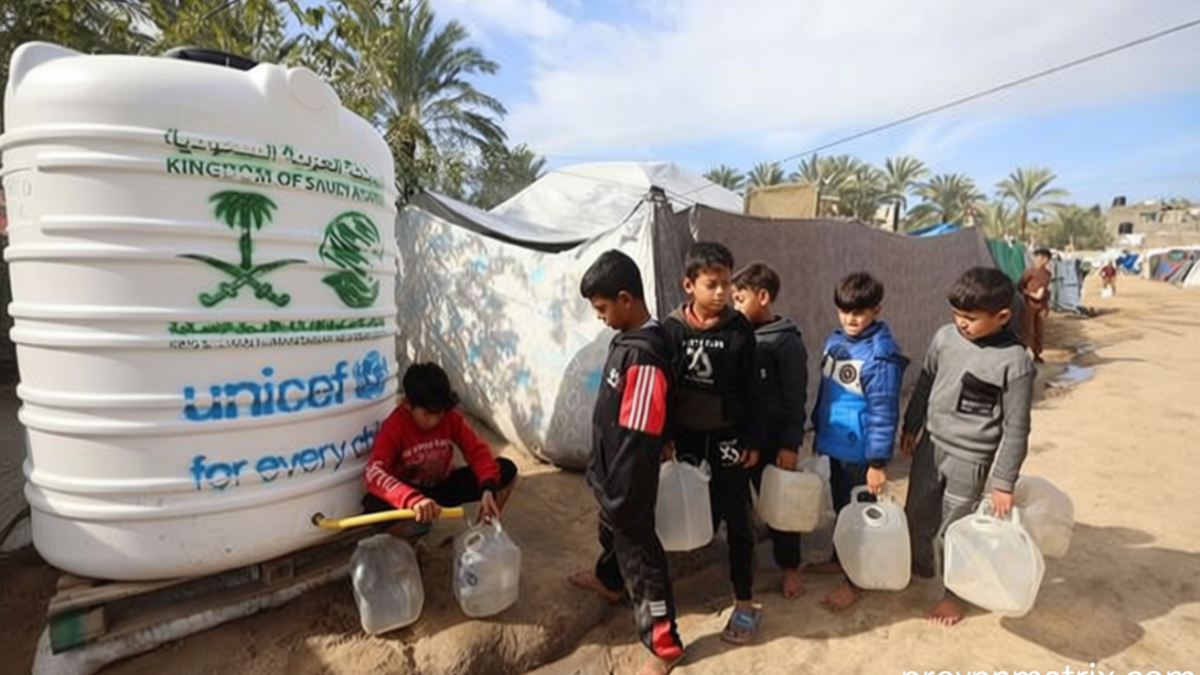
She also highlighted the urgent need for medical supplies to address the spread of diseases in the context of overcrowded shelters, poor sanitation, and rodent infestations. “You can only imagine the situation with the horrific living conditions, the lack of clean water, and the presence of rodents,” she added. “These are all factors that make the need for medical equipment even more critical.”
The blockage of supplies extends beyond Gaza’s borders, affecting the West Bank as well. Dr. Van de Weerdt pointed out that Israeli regulations have classified certain medical items as “dual use,” meaning they are restricted from entering the region. This classification has led to delays in the delivery of essential goods, including medicines that are crucial for treating injuries and illnesses.
Among the impacted items are prosthetic limbs, which are deemed dual use. With approximately 5,000 amputees in Gaza, the lack of access to these devices has created a backlog for patients requiring corrective surgery. “That surgery can’t take place here,” she said. “So, these individuals are stuck on a waiting list to leave the enclave.”
Medical Evacuation Challenges
Dr. Van de Weerdt noted that the Rafah crossing, which reopened in February, has become a vital route for medical evacuations. Patients can now exit the Strip to Egypt, offering a temporary reprieve from the crisis. However, the Kerem Shalom crossing remains a less efficient option, with patients needing to navigate a lengthy and complex process to reach Jordan.
“There are extreme difficulties with medical evacuations,” she said. “Often, only one or two family members can leave, and the conditions for returning are not always favorable.”
Despite these challenges, the World Health Organization has been working closely with local health authorities to organize evacuations for thousands of patients to over 30 countries. “We keep advocating for specialized cases,” Dr. Van de Weerdt explained. “But we also want to ensure that more people who require treatment in Gaza can receive it here.”
While medical evacuations provide a solution for some, the system remains under strain. The need for specialized care continues to grow, and the current infrastructure is struggling to meet demand. This has put pressure on both the healthcare system and the international community to support long-term solutions.
UNRWA’s Crucial Role
A key pillar of Gaza’s healthcare system is the United Nations Relief and Works Agency for Palestine Refugees (UNRWA). However, the agency has faced significant obstacles due to Israeli parliamentary bans on its operations. These restrictions have disrupted the ability to deliver medicines and supplies, leading to a decline in the quality of care.
“Because of the Knesset bills against UNRWA, the agency is unable to bring medicines into Gaza and the West Bank,” said Dr. Akihiro Seita, UNRWA’s Director of Health. “We have also lost two health centres in East Jerusalem earlier this year.”
Dr. Seita underscored the importance of UNRWA’s work, noting that last year, the agency conducted 4.5 million medical consultations in the enclave—accounting for 40% of the total consultations. “Nobody can replace what UNRWA is doing,” insisted Dr. Van de Weerdt, emphasizing the agency’s unique role in providing healthcare services to millions of Palestinians.
The combined efforts of the WHO and UNRWA are critical in maintaining some level of healthcare accessibility, but the ongoing blockades and restrictions are putting these organizations under immense pressure. As the situation in Gaza continues to evolve, the need for sustained support and policy changes becomes more pressing than ever. Without immediate action, the health crisis is likely to deepen, with devastating consequences for the population.