UNICEF says thousands of children need support after Nepal floods
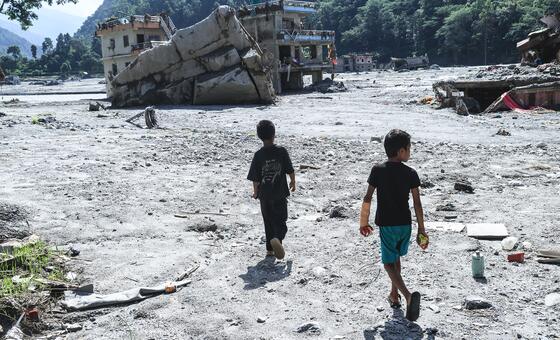
Provpnmatrix.com – UNICEF says thousands of children require urgent mental health and psychosocial support nearly three weeks after devastating flash floods struck northern Nepal. Around 17,000 children in Rasuwa, Nuwakot and Dhading are coping with grief, displacement and the loss of homes, schools and essential services.
The floods began on 26 August following a glacier collapse at 8:37 a.m. local time, as many children were beginning their school day. More than 84,000 people were affected, including about 32,000 children, while roads, electricity networks and water systems sustained major damage.
Authorities recorded more than 1,300 deaths and over 5,000 people missing on the Nepal side of the border. Chinese Government figures reported at least 43 deaths and 519 people missing on the Tibetan side. Families continue to search for relatives while trying to access safe shelter, food, water and health services.
Children face grief, fear and separation
UNICEF says thousands of children have experienced the sudden loss of family members, homes and familiar routines. At least 541 children have been separated from their families and need protection support, while many others remain displaced from their communities.
For young survivors, the effects of a disaster can continue after the immediate danger has passed. Fear, anxiety and grief can disrupt sleep, learning, relationships and a child’s sense of safety. Children who witnessed traumatic events may struggle to explain their feelings, particularly when parents and caregivers are also grieving.
“Beyond the visible destruction, these floods have left deep emotional scars on children and families,” said Alice Akunga, UNICEF Representative in Nepal. “Alongside humanitarian supplies and restoration of critical infrastructure, children need mental health and psychosocial support to help them process what happened, regain a sense of security and begin to recover.”
Mental health care and family reunification
UNICEF says thousands of children need support that goes beyond emergency supplies. Psychological first aid can help children feel safe, reconnect with trusted adults and gradually return to daily routines without forcing them to relive traumatic experiences.
Shitanshu Dhakal, a medical doctor at a hospital in Nuwakot and a mental health advocate, said children must remain central to the recovery response. Early care can reduce the risk that immediate distress develops into longer-term mental health difficulties.
“Children must be at the centre of the mental health response, with immediate psychological first aid and sustained support to prevent long-term consequences,” Dr. Dhakal said.
Working with the Nepal Government and partners, UNICEF is supporting family tracing, reunification and mental health services. Eighteen children have already been reunited with their families, and 13 UNICEF-supported Child-Friendly Spaces are providing safer places for affected children to receive support and take part in supervised activities.
These spaces can offer emotional support, structure and protection at a time when displacement increases children’s vulnerability. UNICEF is also helping arrange alternative family-based care for children who lost both parents, while monitoring teams work to identify children at risk of exploitation.
Schools and learning need to recover
Nine schools were severely damaged or destroyed by the floods, removing a vital source of education, protection and stability. Education Cannot Wait has allocated $1 million to support 17,000 children in Rasuwa, Nuwakot and Dhading, including 5,000 children who will receive education and protection assistance.
FAQ: Support for children affected by the Nepal floods
What help do flood-affected children need most?
Children need safe shelter, access to food and water, family tracing where they have been separated, protection services, education support and mental health care. Calm routines and trusted adults can also help children begin to recover.
How are children being supported in affected districts?
UNICEF and its partners are supporting reunification services, Child-Friendly Spaces, mental health and psychosocial care, and protection monitoring in Rasuwa, Nuwakot and Dhading.
Why is returning to school important after a disaster?
School restores learning, routine and contact with supportive adults and peers. For children affected by loss and displacement, these familiar structures can be an important part of recovery.