Security Council LIVE: Annual Open Debate on Women, Peace and Security
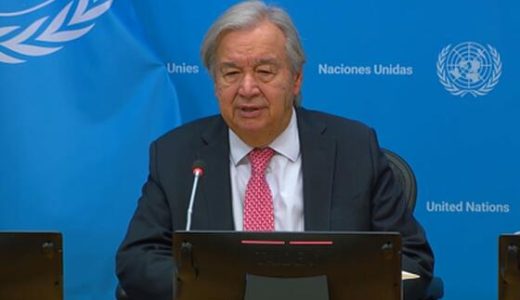
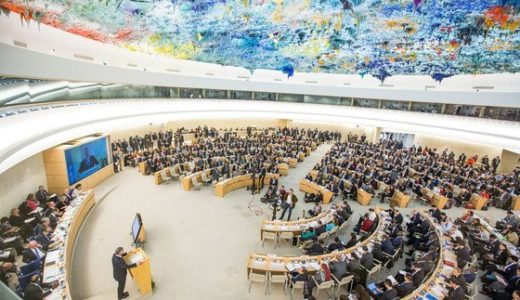
Security Council LIVE – The United Nations Security Council convened in New York this week for its traditional open debate on the role of women in achieving peace and security, a discussion rooted in Resolution 1325, adopted in 1999. This long-standing framework has aimed to elevate the participation of women in conflict resolution, yet the latest findings from the Secretary-General’s report reveal persistent challenges in translating this resolution into tangible progress.
Resolution 1325, which marked its 25th anniversary this year, emphasizes the critical importance of gender equality in peacebuilding efforts. It calls for the inclusion of women in decision-making processes, the protection of their rights during and after conflicts, and the allocation of resources to support their involvement. Despite these mandates, the report highlights a stark disparity in the representation of women in global negotiations. According to the data, women constituted only 7% of negotiators on average in 2024, a figure that underscores the systemic underrepresentation of women in key diplomatic roles.
Furthermore, the findings indicate that nearly 90% of negotiation tracks worldwide excluded women entirely. This statistic raises concerns about the effectiveness of current initiatives and the need for more deliberate strategies to ensure gender balance. The Secretary-General’s report underscores that while some progress has been made, the pace of change remains insufficient to meet the resolution’s goals. For instance, in regions such as the Middle East and Africa, women’s participation in peace talks has been particularly low, with many countries failing to integrate gender perspectives into their conflict resolution frameworks.
The debate has drawn attention to the broader implications of gender exclusion in peace processes. Participants have highlighted how the absence of women’s voices can lead to policies that overlook critical aspects of security, such as the impact of conflict on women and girls. “Women bring unique insights to peace negotiations that are often undervalued,” said one delegate, emphasizing the need for targeted measures to address this gap. The discussion also focused on the importance of localizing Resolution 1325, ensuring that its principles are adapted to the specific contexts of different countries.
“The numbers are alarming, but they also serve as a call to action,” remarked a representative from a non-governmental organization. “We cannot achieve lasting peace without including the perspectives of half the population.”
Throughout the debate, members of the Security Council acknowledged the progress made over the past two decades, including the establishment of women’s peace and security initiatives and the increasing number of female diplomats. However, they also emphasized that much work remains to be done. “While the presence of women in negotiations has grown, their influence and decision-making power are still limited,” noted a member state, highlighting the need for structural reforms to support women’s leadership in peace processes.
The report also examined the role of women in post-conflict societies, noting that their contributions are often recognized only after the fact. “Women are frequently the ones who sustain communities during crises, yet their voices are absent from the tables where peace is negotiated,” stated a senior UN official. This observation has sparked renewed calls for integrating gender perspectives into all stages of conflict prevention, management, and resolution.
One of the key themes of the debate was the importance of cultural and political factors in shaping women’s participation. Delegates from various regions shared examples of successful initiatives, such as programs that train women in mediation and conflict resolution, and policies that mandate their inclusion in peace talks. “In some countries, women have become pivotal figures in peace agreements, proving that their involvement can lead to more inclusive and durable outcomes,” said a representative from a regional group.
“We must move beyond symbolic inclusion to meaningful participation,” added another delegate, stressing the need for measurable targets and accountability mechanisms. This sentiment was echoed by several participants, who emphasized that the success of Resolution 1325 depends on its implementation at both national and international levels.
As the debate progressed, attention was drawn to the intersection of women’s rights and security, particularly in the context of armed conflict and displacement. The report noted that women are disproportionately affected by violence, yet they are often excluded from discussions on security policies. “When women are not at the table, their needs are not prioritized,” said a UN official, citing the challenges faced by women in accessing resources and safety during and after conflicts.
Several members of the Security Council proposed concrete measures to address these gaps. These included expanding funding for women-led organizations, implementing gender quotas in negotiation teams, and creating platforms for women to share their experiences and insights. “Without these steps, we risk perpetuating the cycle of exclusion,” warned a delegate from a small island nation, whose country has seen significant strides in women’s leadership in recent years.
As the debate continues, the focus remains on ensuring that the principles of Resolution 1325 are not just celebrated but actively applied. The Security Council’s discussions this week have set the stage for future action, including the adoption of new resolutions and the strengthening of existing ones. For those following the proceedings, live updates are available to provide real-time insights into the Council’s deliberations. Additionally, comprehensive coverage of all meetings can be found on the dedicated portal for UN Security Council events.
The upcoming sessions will also explore the role of technology and innovation in advancing women’s participation in peacebuilding. With the rise of digital platforms, there is potential to create more accessible and inclusive spaces for dialogue. However, delegates warned that digital tools alone cannot replace the necessity of on-the-ground engagement and policy reforms.
As the debate concludes, the Council has reaffirmed its commitment to promoting women’s roles in peace and security. The Secretary-General’s report has served as a reminder of the urgency of this issue, with many participants calling for a renewed focus on gender equality in the post-2015 Sustainable Development Goals era. “The path to peace is only complete when all voices are heard,” one delegate concluded, encapsulating the spirit of the discussions.
For further reading and updates on the Security Council’s work, visit the official UN website for detailed reports and multimedia coverage. The ongoing dialogue on women, peace, and security reflects a global effort to ensure that the resolution’s vision of equal participation is realized in the years to come.