Global Leaders Urged to Finalise Pandemic Agreement for Future Preparedness
WHO and Brazil urge world leaders – International stakeholders have issued a joint appeal to world leaders, demanding swift action to complete a pivotal treaty designed to safeguard humanity against future global health emergencies. The message, released on Monday, was co-authored by Brazilian President Luiz Inácio Lula da Silva and World Health Organization (WHO) Director-General Tedros Adhanom Ghebreyesus, stressing the necessity of securing global cooperation in the face of evolving health threats.
Shared Responsibility in the Wake of Pandemic Impact
The letter highlights the devastating consequences of the COVID-19 crisis, which resulted in over 20 million fatalities and caused a global economic loss of $13 trillion. During the pandemic, healthcare systems faced unprecedented strain, with hospitals overwhelmed and families mourning loved ones in isolation. Frontline workers, too, endured immense pressure, underscoring the urgent need for a unified framework to mitigate such crises in the future.
“The pandemic exposed how vulnerable we are when not prepared,” the authors wrote. “It was a wake-up call that demanded a collective response.” This shared experience, they argued, has created a renewed sense of purpose among nations to ensure no future outbreak catches the world off guard. The letter serves as both a reminder of the past and a blueprint for the present.
Progress Made and Remaining Obstacles
Significant progress was achieved last year when countries adopted the WHO Pandemic Agreement, pledging to collaborate on preventing, detecting, and responding to pandemics. However, the agreement remains incomplete due to unresolved issues, particularly the PABS annex—a key component that governs how pathogens are shared and benefits are distributed.
President Lula and Tedros noted that this annex is crucial for enabling rapid genetic sequencing and information exchange about emerging viruses. Such data allows scientists to develop tests, treatments, and vaccines quickly, which is vital for containing outbreaks before they escalate. Without it, the agreement cannot be formally enacted, leaving the promise of preparedness unfulfilled.
Key Concerns in the PABS Framework
The PABS annex has proven to be a contentious element, with negotiators grappling over how to ensure fair distribution of pandemic-related benefits. Central to the debate is the question of equity: how will countries that contribute pathogens swiftly receive access to the vaccines and therapies derived from their genetic material? The letter emphasizes that this framework is not merely an act of generosity but a strategic investment to reduce the economic and human costs of future crises.
“Equitable access is the cornerstone of this system,” the authors explained. “It must be clear that those who share pathogens first will also be the first to benefit from the innovations they enable.” This principle aims to replace the fragmented, reactive approach seen during the pandemic with a structured, proactive mechanism. Yet, disagreements persist on governance models and the balance between national interests and global solidarity.
Three Critical Demands for Immediate Action
The appeal outlines three urgent priorities for world leaders. First, it calls for unwavering political commitment to finalise the annex, with high-level support for negotiators to reach bold consensus. The agreement, they clarify, does not threaten national sovereignty or grant the WHO authority to impose measures like lockdowns or vaccination mandates. Instead, it empowers countries to act collectively while retaining decision-making autonomy.
Second, the letter advocates for a spirit of equity, ensuring that the PABS system reflects fairness in both participation and outcomes. Nations that share pathogens must trust that the resulting medical advances will be accessible to their populations, fostering a sense of mutual obligation. This approach not only strengthens global health security but also creates a sustainable model for future challenges.
Third, the authors stress the importance of urgency, citing scientific estimates that suggest a 25% probability of another pandemic within the next decade. Shifting environmental and social conditions are increasing the risk of new disease hotspots, while advancements in biotechnology raise concerns about potential accidental or intentional releases of pathogens. The letter urges leaders to treat July 17 as a non-negotiable deadline, framing it as a symbolic moment to demonstrate collective resolve.
Lessons from Past Global Health Successes
Reflecting on historical achievements, the message highlights how the world has united to combat major diseases. Eradicating smallpox, nearly eliminating polio, and making strides against HIV, tuberculosis, and malaria demonstrate the power of international collaboration. These successes serve as a testament to what can be achieved when nations prioritize shared goals over individual interests.
“The tools we now have were once unimaginable,” the authors noted. “Yet, they were born from collective effort. We must now replicate this spirit to secure a resilient future.” The ongoing challenges with the PABS annex, however, reveal gaps in the current system, which the letter aims to address before the next crisis strikes.
Call for Immediate Global Commitment
With negotiations set to resume from July 6 to July 17, the joint appeal underscores the need for decisive action. The PABS annex, they argue, is not just a technical document but a symbol of global unity and foresight. “The pandemic tested our resolve,” the letter states. “Now, we must prove that we are capable of building a system that prevents such trials in the future.”
By finalising the agreement, leaders would demonstrate their commitment to a world where health threats are met with swift, coordinated responses. This is not merely about preventing another crisis—it is about transforming the way nations approach global health governance. As the authors conclude, “The hope we once had for a united response must now be translated into action.”
“In a divided world, that outcome was not to be taken for granted. It was an act of hope and an act of faith in one another. We write to you now because that hope is not yet fulfilled and because it lies within your hands to help fulfil it.”
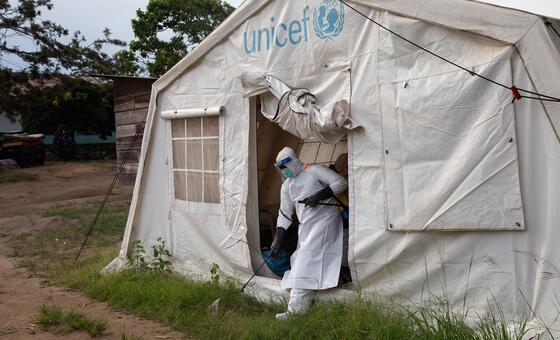
The letter also warns of the risks posed by current outbreaks, such as the ongoing Ebola crisis, which has ravaged multiple countries without a widely available vaccine. These examples reinforce the urgency of the PABS annex, illustrating the potential consequences of delayed action. By investing in early detection and response systems, the world can significantly reduce the impact of future pandemics, even as the threat of new diseases looms.
Historical Context and the Path Forward
As the pandemic agreement approaches completion, the authors draw parallels to past successes, such as the eradication of smallpox, which required unprecedented global coordination. Similarly, the near-elimination of polio and the fight against HIV, tuberculosis, and malaria were made possible by sustained international effort. These milestones underscore the importance of maintaining the momentum for the Pandemic Agreement.
“The lessons of the past must guide our future,” the letter asserts. “By finalising the PABS annex, we can ensure that the tools for pandemic preparedness are in place, ready to be deployed when needed.” This final step, they argue, is not just a legal formality but a critical investment in global health resilience. The authors leave no doubt that the world is at a pivotal moment, with the choice to either safeguard its future or risk repeating the devastation of the past.
© WHO/Khaled Mostafa An elderly woman receives her third COVID-19 booster shot at a vaccination centre in Lisbon, Portugal, in 2024. (file)