Beyond the Flames: The Invisible Danger of Wildfire Smoke
A Growing Public Health Crisis
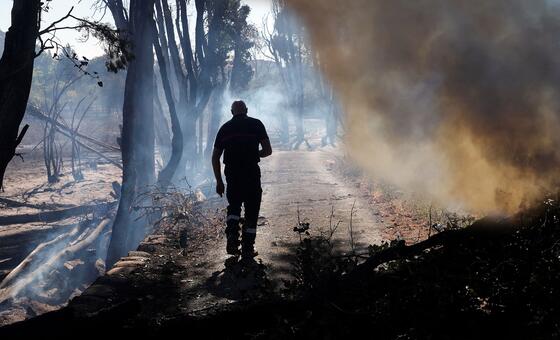
Provpnmatrix.com – While the visual devastation of wildfires captures global attention, a less visible threat emerges from the clouds of smoke that drift far beyond burning landscapes. The World Health Organization has issued a critical warning regarding these airborne hazards, emphasizing that communities thousands of miles from active fires face significant health risks. As unprecedented blazes consume territories throughout Europe and North America during the current summer season, the resulting atmospheric pollution travels extensively, crossing national borders and entire continents to reach millions of people.
Several interconnected factors contribute to this escalating situation. According to health experts, shifting climate patterns, extended periods of intense heat, persistent drought conditions, and evolving approaches to land management collectively drive both the frequency and severity of wildfire events. Consequently, respiratory exposure to combustion byproducts has transformed into an increasingly urgent concern for public health systems worldwide.
Understanding the Composition and Reach of Smoke
The atmospheric mixture generated by burning vegetation, structures, and various materials contains numerous harmful components. When flames advance into populated urban centers or industrial zones, additional toxic substances enter the air alongside natural combustion products. Among these elements, fine particulate matter designated as PM2.5 represents one of the most serious threats to human health.
These microscopic particles possess the unique ability to penetrate deeply into respiratory systems and subsequently enter the bloodstream, potentially affecting multiple organ systems throughout the body. The distance these particles travel depends heavily on wind patterns and atmospheric conditions, meaning that air quality degradation can persist in certain regions for extended periods even after local fires have been contained or extinguished.
Vulnerable Populations and Health Impacts
Individuals experiencing various health conditions face disproportionate risks when smoke concentrations increase. Respiratory symptoms commonly include persistent coughing, irritation of the eyes and throat, headaches, wheezing episodes, and difficulty breathing. For those already managing asthma or other chronic respiratory diseases, smoke exposure can trigger severe exacerbations requiring medical intervention.
Certain demographic groups demonstrate heightened vulnerability to these atmospheric hazards. Developing lungs in infants and young children make them particularly susceptible to long-term respiratory damage. Elderly individuals, pregnant women, people with existing disabilities, and residents of homes with inadequate insulation all experience amplified health consequences during smoke events. Additionally, emergency personnel and workers who spend extended periods outdoors face cumulative exposure risks that may develop into chronic health conditions over time.
Beyond physical health impacts, the psychological burden of wildfire seasons deserves attention. Communities experiencing repeated fire events report elevated levels of stress, anxiety, and trauma that persist well beyond the immediate emergency period.
Protective Measures and Global Response
Health authorities emphasize that community protection extends far beyond traditional firefighting efforts. Comprehensive strategies must incorporate early warning mechanisms, timely public health guidance, accessible medical services, and designated clean-air facilities for at-risk populations.
When wildfires are present in your area, even if some distance away, follow instructions from your local authorities, who will have the most up to date, on-the-ground information,
Dorota Jarosinska, representing WHO’s European Centre for Environment, Climate Change and Health, provided additional guidance for the public.
If you can smell smoke, it’s present in the air you’re breathing, and you should protect yourself by reducing your exposure, especially if you are in an at-risk group.
Even if you can’t smell smoke, you may experience symptoms, and wildfires can change direction suddenly if winds shift, so stay alert for updates.
Practical protective measures include remaining indoors with sealed windows and doors during heavy smoke periods, unless evacuation orders specify otherwise. When outdoor activities become necessary, properly fitted FFP2 or N95 respiratory masks offer meaningful protection against particulate inhalation. Individuals with cardiovascular or pulmonary conditions, expectant mothers, and anyone experiencing breathing difficulties should consult healthcare professionals promptly when smoke events occur.
The WHO continues collaborating with nations throughout the European Region to enhance preparedness capabilities as fire seasons extend in duration, increase in frequency, and intensify in severity. This coordinated approach aims to strengthen health system responses and ensure communities remain resilient against the growing challenge of wildfire smoke pollution.
Related Reading
Frequently Asked Questions
What is Wildfire smoke poses hidden health threat?
Wildfire smoke poses hidden health threat is the main topic of this guide. The article explains the context, practical details, and next steps readers should understand.
Why does Wildfire smoke poses hidden health threat matter?
Wildfire smoke poses hidden health threat matters because readers are looking for a useful answer, not just a short summary. Good content should match search intent and help them decide what to do next.