UN General Assembly High-Level Week Brings a Crowded Global Agenda to New York
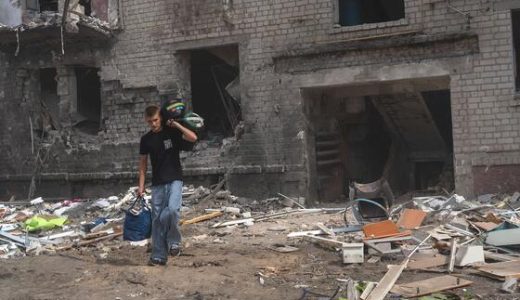
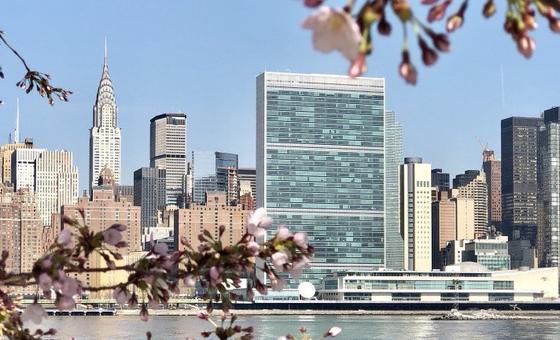
Provpnmatrix.com – New York will again become a focal point for international diplomacy in September as heads of government, ministers and senior diplomats arrive at United Nations Headquarters for the high-level week of the 81st session of the General Assembly. The gathering comes as governments confront armed conflicts, strained international relations, climate pressures and persistent development gaps.
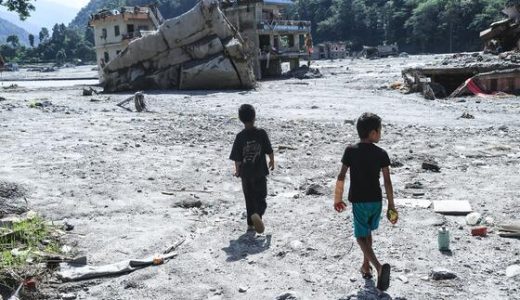
Nearly every major global challenge will be represented on the agenda. Discussions are expected to range from security and humanitarian emergencies to the accelerating effects of climate change, pandemic readiness, rising seas, racial discrimination and the effort to meet the Sustainable Development Goals before 2030.
The session will be led by Khalilur Rahman of Bangladesh, the newly elected President of the General Assembly. Its theme is:
“Restoring trust, managing transformation: A United Nations that delivers for all.”
The wording reflects a central challenge facing the organization: how to maintain cooperation when countries are increasingly divided on questions of war, trade, development, technology and the future of multilateral institutions.
The General Debate Takes Centre Stage
The most visible part of the week will begin on 22 September, when the General Debate opens. Presidents, prime ministers and other high-ranking representatives from all 193 UN Member States are due to speak from the Assembly Hall’s well-known green marble rostrum.
These addresses do not produce binding decisions on their own, but they offer an important indication of national priorities. Governments use the forum to outline their positions on conflicts, economic conditions, humanitarian needs, climate policy, development financing and emerging technologies. The succession of speeches also gives the public a broad view of where countries agree, where they differ and which issues they want to elevate internationally.
Much of the work, however, happens away from the televised chamber. Leaders and their delegations will hold hundreds of meetings with allies, regional partners, international organizations and political rivals. Bringing so many decision-makers to one city creates a rare opportunity for direct diplomacy, including conversations that may be difficult to arrange through normal diplomatic channels.
Development Goals Face a Tight Deadline
Before the General Debate starts, leaders will convene on 18 September for the annual SDG Moment. The meeting will assess efforts to advance the 17 Sustainable Development Goals adopted in 2015.
The goals were designed as a shared framework for addressing poverty, hunger, education, clean water, energy access and other interconnected social, economic and environmental issues by 2030. With fewer than five years left before that deadline, the emphasis will be on both measuring progress and identifying practical approaches that can be expanded in other countries and communities.
The SDGs matter beyond UN meeting rooms because they link broad international commitments to everyday concerns: whether families can obtain food and health care, whether children can attend school, whether communities have safe drinking water and whether energy systems can support economic opportunity without worsening environmental risks.
Climate, Energy and Rising Seas
Climate action will receive dedicated attention on 23 September, when Secretary-General António Guterres brings world leaders together for a High-Level Event on Climate Action and the Just Transition. As temperatures continue to increase globally, participants will examine ways to speed up the move toward renewable energy and strengthen financial assistance for developing countries.
The idea of a “just transition” places particular attention on how the shift away from high-emission energy affects workers, communities and countries with different resources. Climate policy is not limited to reducing emissions; it also involves making sure that support reaches people already dealing with climate-related damage and disruption.
Sea-level rise will be the focus on 24 September. For small island developing States and low-lying coastal areas, encroaching water is already placing homes, roads, public services and freshwater sources under increasing pressure. The meeting is intended to build cooperation and generate support for the countries and communities facing the most immediate risks.
Preparing for Future Health Emergencies
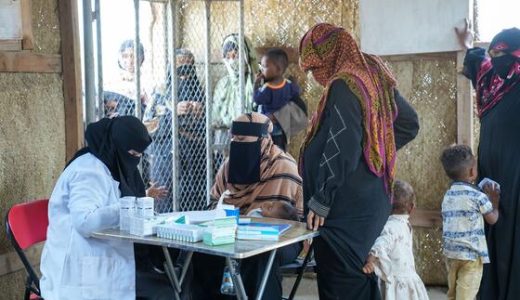
On 25 September, heads of State and Government will consider the lessons of COVID-19 during a meeting on pandemic prevention, preparedness and response. The pandemic showed that an outbreak can cross borders rapidly and turn into a worldwide emergency. It also exposed stark inequalities in access to vaccines, medicines and other vital supplies.
Leaders are expected to discuss stronger health systems, improved readiness and a fairer international response when future health crises arise. The debate is likely to underscore that preparedness requires more than emergency action after a disease begins spreading. It depends on health infrastructure, early response capacity, medical resources and cooperation among governments.
Development Rights and the Fight Against Racism
The same day as the climate event, 23 September, the Assembly will mark four decades since the Declaration on the Right to Development was adopted in 1986. The declaration framed development as broader than economic expansion alone, stressing participation, opportunity and equity.
Later in the week, on 28 September, the UN will commemorate 25 years since the Durban Declaration and Programme of Action. The framework remains one of the principal international references for efforts against racism, racial discrimination, xenophobia and related intolerance.
The anniversary will provide governments with an opportunity to consider progress as well as the reasons discrimination continues to affect societies across the world. The issue remains relevant to questions of equality, social inclusion and access to rights and opportunity.
Nuclear Disarmament Remains Unfinished Business
The major meetings are scheduled to conclude on 29 September with a high-level plenary observance of the International Day for the Total Elimination of Nuclear Weapons. Nuclear disarmament was among the earliest matters taken up by the United Nations, yet nuclear arms remain embedded in the international security environment almost eight decades later.
The UN continues to identify the complete elimination of nuclear weapons as its top disarmament objective. The closing event will therefore connect a longstanding UN priority with contemporary concerns about conflict, deterrence and international security.
This year’s high-level week arrives at a difficult moment for global cooperation. Its value will be judged not only by the speeches delivered in the General Assembly Hall, but also by whether leaders can turn shared concerns into sustained action on development, climate resilience, public health, equality and peace.
Related Reading
Frequently Asked Questions
What is The world comes to New York?
The world comes to New York is the main topic of this guide. The article explains the context, practical details, and next steps readers should understand.
Why does The world comes to New York matter?
The world comes to New York matters because readers are looking for a useful answer, not just a short summary. Good content should match search intent and help them decide what to do next.