Nigeria begins Ebola response after case detected in Abuja
Provpnmatrix.com – Nigeria has moved quickly to contain its first confirmed case of Ebola Bundibugyo virus disease, with national authorities and the World Health Organization supporting an intensified public-health response in Abuja.
The patient is a woman who had recently travelled from Uganda. She arrived in Nigeria on 3 October and began developing symptoms four days later, on 7 October. After seeking treatment at a private medical facility in the capital on 11 October, laboratory testing confirmed Ebola Bundibugyo virus disease on 20 October.
She is currently isolated and receiving medical attention. Health teams are working to establish where the infection may have originated and to build a complete record of her travel, contacts and possible exposures before and after arriving in Nigeria.
Contact tracing and infection controls expanded
Authorities have identified 44 people who had contact with the patient and are monitoring them as part of efforts to detect any possible additional infections as early as possible. Identifying contacts promptly is central to Ebola control because people who may have been exposed can be monitored for symptoms and referred for care without delay if they become unwell.
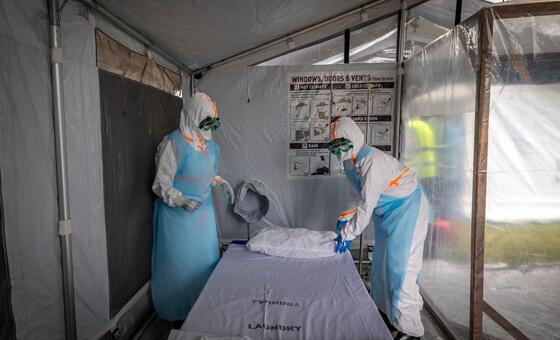
Infection-prevention procedures are also being strengthened at the private facility where the woman first received care. These measures are intended to protect healthcare workers, other patients and visitors while investigators assess whether anyone else may have been exposed.
The Nigeria Centre for Disease Control and Prevention has activated its incident management system to coordinate the national response. WHO and its partners are working alongside Nigerian health authorities on case investigation, follow-up of contacts, infection control and the delivery of essential materials, including personal protective equipment for frontline health workers.
Fast detection, careful monitoring and safe clinical practices are particularly important when a case is found in a large urban setting. Public-health teams must determine possible chains of exposure while ensuring that hospitals and laboratories have the procedures needed to assess suspected cases safely.
A regional outbreak with international links
Nigeria is the fifth country to identify Ebola Bundibugyo virus disease since an outbreak was declared in the Democratic Republic of the Congo in mid-May. That outbreak has become the deadliest in the country’s history, with more than 9,500 cases and over 4,200 deaths recorded by 18 October.
The continuing outbreak has underlined how infectious-disease risks can cross borders through travel and movement between countries. Uganda experienced a serious Ebola outbreak that was officially declared over in late August. Kenya has recorded nine cases linked to the situation in the DRC, while one linked case has also been identified in the Netherlands.
Ebola virus disease is a severe illness that requires rapid public-health action whenever a case is confirmed. The Bundibugyo strain identified in Nigeria is one of the Ebola virus species known to cause disease in people. There is currently no vaccine to treat this virus, making early recognition, clinical care, contact tracing and infection control especially significant.
The immediate priority is not only the treatment of the individual patient, but also determining whether any further transmission has occurred. Monitoring known contacts and investigating potential exposure locations help authorities identify risks before they develop into wider clusters.
Readiness remains essential across the region
WHO has urged countries in the region to keep preparedness levels high while the DRC outbreak continues to change. Governments are being encouraged to maintain robust disease-surveillance systems, ensure laboratories can test suspected cases safely and keep response arrangements ready for rapid activation.
For the public, awareness can support rather than hinder the response. People who have relevant travel or exposure concerns should follow guidance from health authorities and seek medical attention promptly if they develop symptoms. Clear communication with healthcare providers can help facilities apply appropriate precautions quickly.
Health workers remain a critical part of the response. Access to protective equipment, clear infection-control procedures and timely information can reduce the chance of exposure in clinical settings. The reinforcement of protections at the Abuja facility reflects the importance of safeguarding staff and patients while investigations continue.
At this stage, WHO has not advised countries to impose travel or trade restrictions involving affected nations. Instead, the focus remains on surveillance, safe testing, early case identification and coordinated cross-border readiness. Nigeria’s response will depend on the continued monitoring of the 44 identified contacts, the findings of the patient’s exposure investigation and the ability of health systems to respond swiftly to any new suspected cases.
Related Reading
Frequently Asked Questions
What is WHO supports Nigeria after first Ebola?
WHO supports Nigeria after first Ebola is the main topic of this guide. The article explains the context, practical details, and next steps readers should understand.
Why does WHO supports Nigeria after first Ebola matter?
WHO supports Nigeria after first Ebola matters because readers are looking for a useful answer, not just a short summary. Good content should match search intent and help them decide what to do next.