Strait of Hormuz: Gradual Re-opening is no Quick Fix for Developing Nations, UN Warns
Economic Relief and Persistent Challenges
Strait of Hormuz – While the reopening of the Strait of Hormuz has provided some respite for global trade, the United Nations has highlighted that this development alone cannot resolve the ongoing economic struggles faced by many developing countries. The agency’s recent report underscores how critical the strait remains, yet its gradual recovery has not been sufficient to offset the mounting pressures on food and fuel prices. For nations heavily reliant on these imports, the consequences of disrupted supply chains persist, creating a prolonged period of financial strain.
Ceasefire and Shipping Resumption
Following a fragile ceasefire between the United States and Iran, commercial vessels began to navigate the strait more freely in mid-June. This temporary truce allowed for a swift rebound in maritime traffic, which is vital for global energy and food supplies. However, recent tensions have led to a slowdown, as clashes between Washington and Tehran in the region have reignited fears of further disruptions. The situation remains precarious, with both sides exchanging strikes and maintaining a delicate balance that could easily shift.
Iran’s Resistance to Safety Measures
Iran has reportedly declined calls from France and Oman to clear mines from the strait, a move intended to ensure safe passage for international trade. Additionally, the country has rejected the UN’s International Maritime Organization (IMO) proposal to establish an alternative shipping route off the coast of Oman. These rejections highlight Iran’s strategic position in the region and its determination to maintain control over trade flows, even at the risk of prolonged economic impacts.
UNCTAD’s Concerns Over Recovery Timelines
The UN Trade and Development agency (UNCTAD) has emphasized that while oil shipments may stabilize in the near term, the broader economic repercussions of the strait’s partial closure will take longer to mitigate. The agency warns that recovery in freight contracts and supply chains could stretch over months, with food systems requiring even more time to adapt. This delay means that the effects of higher prices will linger, potentially exacerbating food insecurity in vulnerable regions.
Impact on Import-Dependent Economies
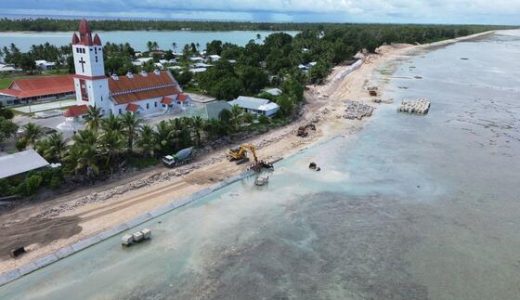
Developing countries, particularly those with limited domestic production capabilities, face heightened risks due to their reliance on imported goods. Small island states such as Cabo Verde and Micronesia exemplify this challenge, as they depend heavily on food and oil imports to sustain their economies. This dual dependence creates a “dual exposure” to price shocks, making them especially susceptible to fluctuations in global markets. UNCTAD estimates that 61 economies are at risk from both oil and cereal import disruptions, underscoring the widespread nature of the issue.
Financial Vulnerabilities of Developing Nations
Developing countries often operate with constrained public finances, which limits their capacity to absorb economic shocks. When faced with rising import costs, these nations may struggle to allocate resources effectively, leading to increased debt servicing and reduced spending on essential services. A decline in international aid or remittances further compounds this challenge, leaving them with fewer tools to cushion the effects of trade disruptions. Such vulnerabilities are exacerbated by their dependence on a narrow range of commodities, which makes them more susceptible to market volatility.
Long-Term Consequences of Trade Disruptions
The report warns that even short-term disruptions in food imports can have lasting consequences for child health. In regions where food scarcity is already a pressing issue, prolonged unaffordable food prices can lead to increased rates of child wasting—a condition characterized by low weight-for-height ratios. UNCTAD data reveals that a 5% rise in real food prices corresponds to a 15% increase in child wasting risk for poor households, and a 26% surge for families in rural, landless poor communities. These statistics illustrate the deepening crisis for children in the most vulnerable populations.
Global Supply Chain Dependencies
The Strait of Hormuz serves as a critical artery for global trade, with approximately 20% of the world’s oil passing through it. Its strategic importance means that any blockage, no matter how temporary, can ripple through the global economy. For developing nations, this disruption has already triggered higher costs for essential goods, from fuel to food. The report highlights how these nations are not only affected by the direct cost increases but also by the indirect consequences, such as reduced purchasing power and delayed economic recovery.
Call for International Support
In response to the ongoing challenges, UNCTAD has urged greater international collaboration to support affected economies. The agency advocates for measures that can help nations manage the financial burden of higher import costs, such as financial aid or subsidies. It also stresses the importance of strengthening local infrastructure to reduce dependency on global supply chains. These steps, according to the report, would enhance the resilience of developing countries and protect them from future shocks.
Secretary-General’s Plea for Stability
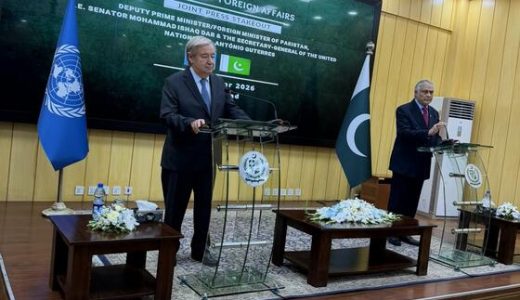
“These shocks will be felt for many months, with developing countries bearing the heaviest impacts. I call on all parties to honour the ceasefire and redouble efforts,” stated UN Secretary-General António Guterres. His remarks emphasize the need for sustained international cooperation to prevent further economic strain. Guterres also noted that while the full re-opening of the strait is necessary, the risks to food production and supply chains remain significant. This call for stability comes as the global community watches the situation closely, aware of the potential for prolonged consequences.
Broader Implications for Global Trade
The situation in the Strait of Hormuz has broader implications for the global economy, particularly for nations with limited resources. The report points to the interconnected nature of trade systems, where disruptions in one region can have cascading effects worldwide. For instance, delays in oil shipments could lead to higher energy prices, which in turn drive up transportation and agricultural costs. This creates a feedback loop that sustains inflation, making it difficult for developing countries to stabilize their economies quickly.
Historical Context and Current Crisis
Historically, the Strait of Hormuz has been a focal point of geopolitical tensions, with its strategic location making it a key battleground for energy interests. The recent conflict between the US and Iran has once again placed the region under scrutiny, as the balance between military action and economic cooperation remains fragile. The UN’s warning serves as a reminder that the strait’s reopening is only part of the solution, and that a comprehensive approach is needed to address the root causes of economic vulnerability in developing nations.
Pathways to Resilience
To build resilience against future trade shocks, the report suggests a multi-pronged strategy. This includes diversifying import sources, investing in local production, and enhancing financial mechanisms to support trade stability. By adopting these measures, developing countries