Sudan: Escalating Conflict Places Children at Center of Lethal Toll
Sudan – As the war in Sudan intensifies, the impact on children has become more severe than ever, with at least 330 minors reported dead or wounded in the initial half of 2026, according to a statement by the United Nations Children’s Fund (UNICEF) released on Monday. The crisis has forced the organization to highlight the alarming vulnerability of children amid relentless violence and instability that has gripped the nation since April 2023.
Children Trapped in a Cycle of Suffering
Sheldon Yett, UNICEF’s representative in Sudan, emphasized the grim reality faced by children, stating,
“Children are enduring a relentless cycle of violence, displacement, and deprivation.”
His remarks underscore the pervasive threat to their safety, as attacks have increasingly targeted areas where families seek refuge. The violence has no boundaries, striking homes, roads, markets, and even schools and hospitals, disrupting daily life and endangering the most vulnerable.
“For many children, there is no safe place left. They are being killed and injured in their homes, on the roads, in markets, and while trying to access vital services like education and healthcare,” Yett added. The statement serves as a stark reminder that children should never be a casualty of war, yet they remain disproportionately affected by the conflict’s brutality.
Drone Strikes Amplify Child Casualties
Drones have emerged as a critical factor in the rising death toll, contributing to 60% of the reported injuries and fatalities among children. This aerial warfare has intensified the suffering, as families are now confronted with threats from the skies. The conflict, which erupted between rival military factions in 2023, continues to evolve, with drone attacks becoming a defining feature of the current phase.
Following an emergency session of the UN Human Rights Council on 3 July, a resolution was adopted to scrutinize the dire humanitarian conditions in El Obeid. The decision reflects global concern over the region’s deteriorating situation, where an estimated 500,000 civilians are at risk. UNICEF warned that further escalation could leave even more children exposed to death, injury, and displacement, compounding their existing hardships.
Regional Hotspots and Worsening Conditions
Despite the overall crisis, certain areas remain particularly dire. Darfur and Kordofan states have consistently recorded the highest child casualties, according to UNICEF. The situation around El Obeid, especially in North Kordofan, has drawn urgent attention due to the frequency of attacks and the damage they inflict on communities.
Since May 2026, the number of child casualties in the state has surged, with over 35 reported incidents. These include at least 18 fatalities and more than 17 injuries, affecting children as young as two months old up to those aged 17. The attacks have not only claimed lives but also severed access to basic necessities, leaving families struggling to survive.
Infrastructure Damage and Service Disruptions
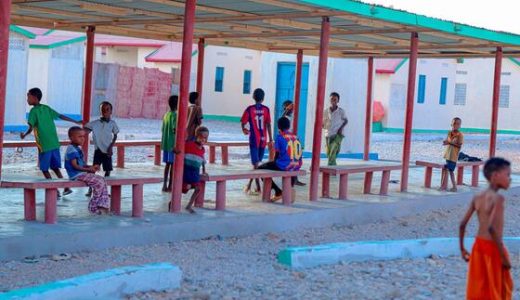
Repeated drone strikes and artillery bombardments have ravaged civilian infrastructure, including homes, schools, health centers, water systems, and marketplaces. This destruction has strained essential services, creating additional challenges for children who rely on these facilities for survival. Supply routes have also been disrupted, limiting the delivery of food, medical supplies, and other critical resources to affected regions.
The persistent threat of attacks has deepened psychological distress among children, particularly in areas that have experienced frequent bombardments. UNICEF noted that trauma, anxiety, and fear have become everyday realities, exacerbating the long-term consequences of the conflict. These emotional tolls compound the physical dangers, painting a multifaceted picture of the crisis.
Grave Violations and Calls for Protection
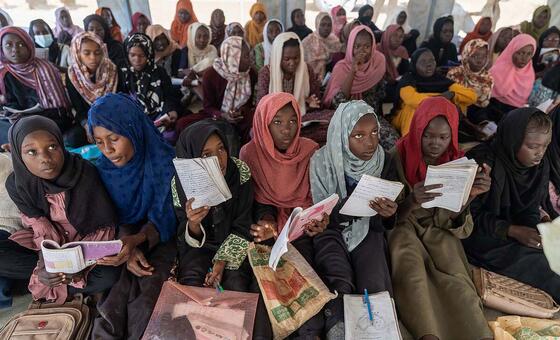
Children in Sudan are not only facing immediate dangers but are also exposed to systemic violations of their rights. These include recruitment into armed groups, abduction, sexual violence, and targeted attacks on educational and healthcare institutions. UNICEF reiterated its demand for all conflict parties to safeguard civilians and civilian infrastructure, urging immediate measures to shield children from harm.
“Children are subjected to life-threatening risks and grave violations, such as being forcibly enlisted or victimized in schools and hospitals,” the agency stated. This call to action aligns with previous appeals from international bodies, emphasizing the need for coordinated efforts to protect the most vulnerable populations.
Humanitarian Response and Cholera Outbreak
In response to the escalating crisis, UNICEF has urged the establishment of unhindered humanitarian access, allowing aid to reach those in need. This aligns with similar efforts by the World Health Organization (WHO), which has been working alongside local authorities to combat a cholera outbreak. The outbreak, fueled by the conflict, has been exacerbated by disrupted health services, contaminated water sources, and inadequate sanitation facilities.
“Conflict is creating conditions for the cholera outbreak to thrive, with insecurity and displacement worsening the situation,” WHO warned in late June. The agency highlighted the interconnected challenges of the war, noting that the disease has spread rapidly in West Kordofan. As of 20 June, 838 suspected cases and seven confirmed cases of cholera were reported in three localities, resulting in 117 deaths.
A joint mission by the WHO and the United Nations Refugee Agency (UNHCR) commenced over the weekend, aiming to assess the region’s health needs and coordinate a unified response. This initiative underscores the urgency of addressing both the immediate and long-term consequences of the war, particularly for children who are bearing its brunt.
As the conflict persists, the humanitarian community remains vigilant, working tirelessly to mitigate the impact on civilian life. The numbers continue to rise, and the stakes grow higher for children whose futures are now inextricably linked to the stability of their war-torn homeland. The international community’s response will be pivotal in determining whether these young lives can be saved or further jeopardized by the ongoing violence.