Global Immunization Efforts Show Modest Gains Amid Persistent Challenges
Childhood vaccination rate increases slightly but millions – Worldwide efforts to protect children through vaccination demonstrated continued recovery throughout 2025, though significant obstacles persist. According to comprehensive data published by United Nations agencies on Wednesday, ongoing conflicts, economic hardship, and rising reluctance toward vaccines continue to expose millions of young people to illnesses that could otherwise be prevented.
Diphtheria, Tetanus, and Pertussis Coverage Improves
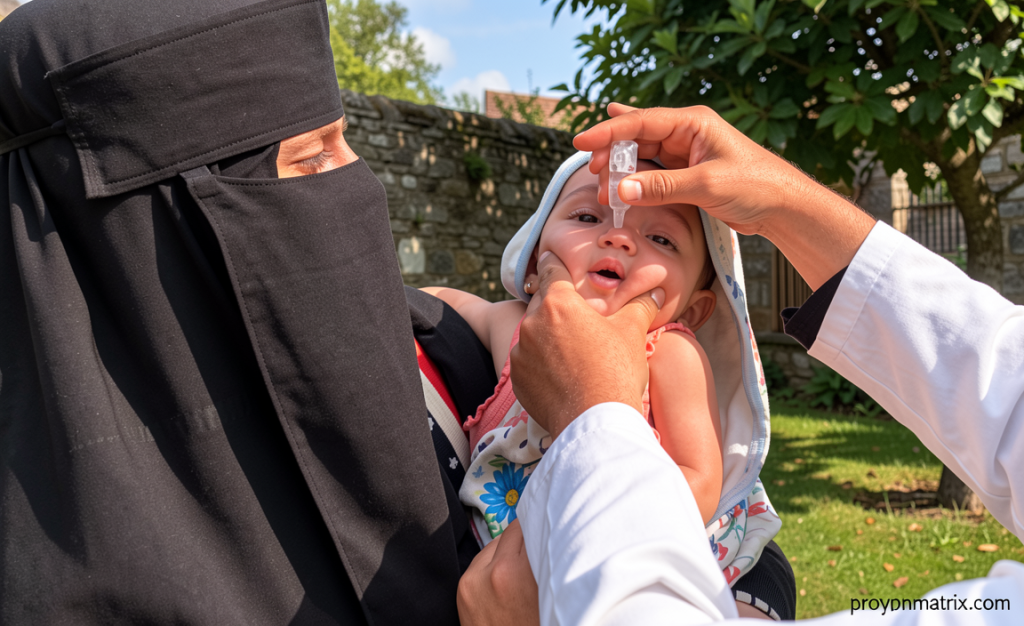
The latest annual estimates produced jointly by the World Health Organization and UNICEF indicate encouraging progress in basic immunization. Approximately ninety percent of babies across the globe received their initial dose of the diphtheria, tetanus, and pertussis vaccine during 2025. Additionally, eighty-five percent successfully completed the full three-dose regimen recommended by health authorities.
Both measurements represent a one percentage point improvement compared to 2024 figures. Nevertheless, these numbers still fall short of pre-pandemic benchmarks, suggesting that the global health system has not fully recovered from disruptions caused by the coronavirus crisis.
Zero-Dose Children Decline but Remain a Concern
Researchers estimated that 13.5 million children worldwide received no immunizations whatsoever during their first twelve months of life in 2025. This represents a positive development, marking a reduction of nearly 750,000 zero-dose children relative to the previous year. Despite this progress, millions of vulnerable youngsters remain inaccessible to essential health services.
Compounding the issue, an increasing number of children are initiating vaccination schedules but failing to complete the full course. This incomplete protection elevates the probability of disease outbreaks within communities.
Measles Outbreaks Signal Coverage Gaps
The report draws particular attention to measles, recognized as one of the most contagious illnesses globally. In 2025, eighty-four percent of children obtained their first measles vaccine dose, while seventy-seven percent received the second dose. These percentages fall considerably below the ninety-five percent threshold required to effectively prevent outbreaks.
Consequently, fifty-seven nations documented significant or disruptive measles outbreaks throughout the year, underscoring the urgency of improving coverage rates.
Conflict Zones Bear Heaviest Burden
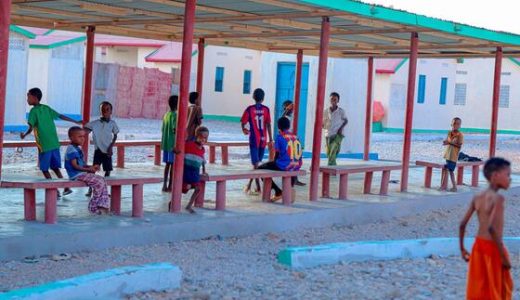
More than half of all zero-dose children reside in fragile or conflict-affected nations, where immunization programs frequently face disruption due to insecurity, political instability, and insufficient funding. Syria experienced pronounced declines in vaccination coverage during 2025, whereas Sudan achieved one of the most substantial improvements worldwide, illustrating that immunization rates can recover even within conflict environments when access to healthcare expands.
High-Income Nations Face New Challenges
The WHO cautioned that vaccination rates are declining in certain middle- and high-income countries despite vaccines being readily accessible. Factors contributing to this trend include vaccine hesitancy, weakening political commitment, and various structural challenges within health systems.
Leadership Voices Emphasize Equity
“Governments and health workers have helped global vaccination rates bounce back after dropping significantly during the COVID-19 pandemic,” said UNICEF Executive Director Catherine Russell. “But millions of vulnerable children are still being left unprotected due to conflict, displacement and poverty. We must reach every child, and we must rebuild trust where it is fraying.”
“Every child, whether born into wealth or poverty, peace or conflict, deserves the life-giving protection that vaccines provide,” WHO Director-General Tedros stated, describing vaccines as among the most effective and equitable public health interventions available.
Looking Ahead: Financing and Surveillance
Agencies warned that recent reductions in international health financing threaten to undermine future progress. Additionally, fewer countries conducted national immunization surveys in 2025, which limits the capacity to identify children missing vaccines and respond promptly to emerging outbreaks.
WHO and UNICEF urged governments and international partners to strengthen vaccination programs in fragile settings, combat misinformation, increase funding, and invest in more robust disease surveillance systems to prevent additional setbacks in global child health.