Ebola Outbreak Threatens Displaced Communities in Eastern Congo
Provpnmatrix.com – The Democratic Republic of Congo is confronting a worsening health crisis as the Ebola Bundibugyo virus continues its rapid expansion into areas housing vulnerable populations. United Nations humanitarian agencies have confirmed that the disease has now reached displacement camps within the country, marking a critical development in what has become one of the most severe outbreaks in recent years.
According to the UN refugee agency, UNHCR, nineteen individuals living in internal displacement have contracted the virus, with five succumbing to the illness. This represents a troubling escalation, as the disease moves beyond traditional community settings into densely populated camps where living conditions can accelerate transmission.
Mounting Case Numbers and Geographic Spread
On Friday, UNHCR officials verified that at least five of the sixty-nine displacement camps located in Ituri province have documented Ebola cases. These findings add another layer of complexity to an already devastating outbreak that has gripped the region since mid-May. Local health authorities estimate that nearly four thousand individuals have been infected since the outbreak was officially declared on May 15, with more than one thousand eight hundred fatalities recorded.
The affected regions encompass five provinces: Ituri, North Kivu, South Kivu, Haut-Uele, and Tshopo. Together, these areas are home to approximately 4.4 million internally displaced people, many of whom have fled violence and instability over the past several decades. The overlap between Ebola-affected zones and conflict-affected regions creates unique challenges for containment efforts.
International Response and Leadership
The World Health Organization has acknowledged that current response mechanisms are being stretched to their limits. WHO Director-General Tedros Adhanom Ghebreyesus emphasized the need for comprehensive action during his visit to Kinshasa, the nation’s capital.
We all agree that we must urgently and massively scale up all our efforts across all pillars of the response and by all partners,
Tedros stated via social media, underscoring the collaborative nature required to address the crisis effectively.
UN relief coordinator Tom Fletcher announced in May that up to sixty million dollars would be allocated from the UN’s Central Emergency Response Fund to support Ebola containment activities. This financial commitment complements ongoing efforts by the WHO and its international partners to construct and maintain Ebola Treatment Centres throughout the affected provinces.
Conflict Context and Vulnerable Populations
The eastern regions of the DRC have experienced prolonged instability, with armed conflict tracing its origins to the 1994 genocide against the Tutsi population in neighboring Rwanda. In 2021, the M23 militia, which is backed by Rwanda and led by Tutsi members, resumed military operations against the Congolese armed forces. This renewed fighting has involved multiple armed groups and has contributed to the displacement of more than eight million people over decades of violence.
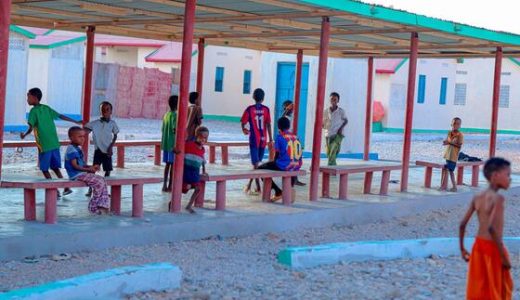
Internally displaced persons residing in camps frequently face inadequate water and sanitation infrastructure, conditions that facilitate disease transmission. Additionally, many residents harbor skepticism toward formal health services, which can delay diagnosis and treatment. UNHCR has warned that these factors create an environment particularly conducive to Ebola spread.
Preventing Regional Transmission
While the virus has reached displacement camps, UNHCR has noted that no cases have been identified among refugees or asylum-seekers. This distinction is significant, as infected refugees could potentially carry the disease across international borders, threatening neighboring countries and complicating regional containment strategies.
UN peacekeeping forces deployed in the region are actively working to protect healthcare facilities from attacks, ensuring that medical personnel can continue their work without interruption. The organization is also coordinating with humanitarian partners and local authorities to enhance surveillance capabilities, expand laboratory testing capacity, improve treatment access, and strengthen community engagement initiatives.
Accelerating Containment Efforts
Recent data indicates that new cases have doubled in certain hotspots over the past week, prompting calls for intensified countermeasures. Tedros outlined several priority actions, including enhanced coordination with the Congolese government, improved protection and support for healthcare workers, and faster access to care alongside safe burial practices.
WHO remains committed to working alongside the Government of the DRC, Africa CDC (the Africa Centres for Disease Control and Prevention) and all partners, and we will stop this outbreak, together,
Tedros concluded in a written statement, expressing confidence that collective action can ultimately contain the virus. As the international community mobilizes additional resources and personnel, the focus remains on preventing further spread into displacement camps and protecting the millions of vulnerable residents in eastern Congo.
Related Reading
Frequently Asked Questions
What is Ebola virus reaches displacement camps in DR?
Ebola virus reaches displacement camps in DR is the main topic of this guide. The article explains the context, practical details, and next steps readers should understand.
Why does Ebola virus reaches displacement camps in DR matter?
Ebola virus reaches displacement camps in DR matters because readers are looking for a useful answer, not just a short summary. Good content should match search intent and help them decide what to do next.