Quake-Displaced Children Face Heightened Threat of Armed-Group Recruitment in Colombia’s Most Marginalized Regions
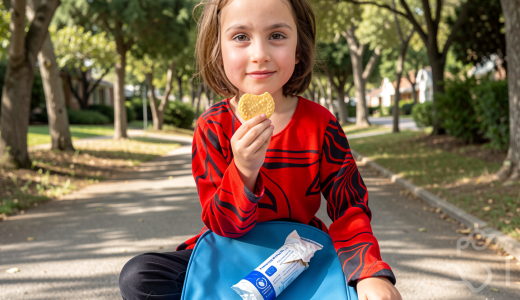
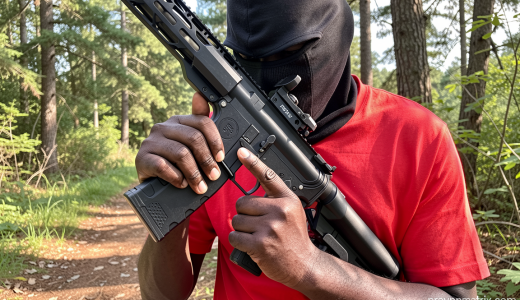
Provpnmatrix.com – The destruction of thousands of classrooms across western Colombia has opened a dangerous window through which armed groups may pull school-age children into their ranks, United Nations officials warned on Friday. In departments where conflict has simmered for decades and where poverty and geographic isolation already leave young people exposed, the loss of routine schooling removes one of the few reliable shields against recruitment.
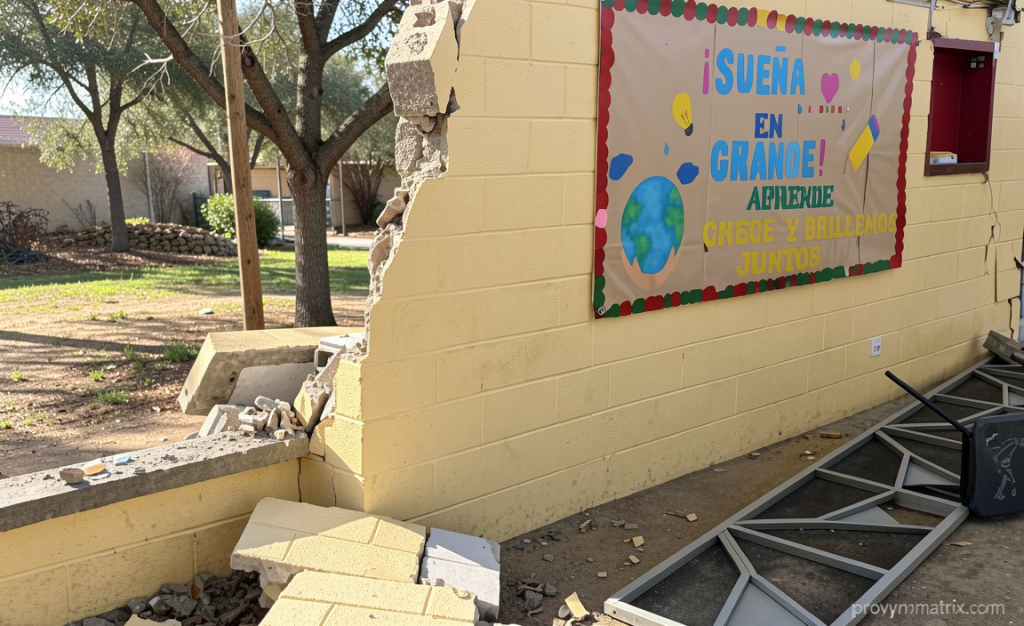
The trigger was a 7.4-magnitude earthquake that struck on 10 August, killing 331 people, injuring 4,449 and leaving 219 unaccounted for. More than 406,000 residents across 15 departments and 496 municipalities have been affected. But the human toll extends well beyond the immediate casualty figures: over 3,800 schools sustained damage, disrupting the education of more than one million students. Nearly 178,000 of those pupils attend institutions that suffered serious structural harm and cannot safely reopen.
Education as a Protective Barrier
For the UN, getting children back into classrooms is framed not merely as a learning objective but as a protection strategy. María José Torres Macho, the UN Resident Coordinator in Colombia, explained at UN Headquarters that recruitment by illegal armed groups was already a documented concern in Chocó and Valle del Cauca before the disaster struck. The earthquake, by severing the daily structure that keeps children supervised and engaged, risks accelerating a trend that was already underway.
“We are concerned that the situation of children out of school can exacerbate this problem,” Torres Macho told reporters.
In Chocó specifically, the damage to rural schools ranges from total destruction to partial collapse, with several additional buildings judged to be at imminent risk of falling. Parallel assessments are still under way in Risaralda and Caldas to determine which facilities can be cleared for safe reoccupation. Until those evaluations conclude, tens of thousands of children remain without a structured daytime environment.
Overlapping Crises: Conflict, Displacement, and Infrastructure Failure
Colombia’s western departments have long borne the weight of armed conflict, and the earthquake has landed squarely on communities already strained by poverty, limited state presence, and periodic violence. Torres Macho underscored that the areas hardest hit by the quake are also those most vulnerable to predation by armed actors.
“Those areas most affected are those areas most vulnerable,” she said, adding that the pre-existing conflict is creating challenges for both the emergency response and recovery.
Compounding the disaster response, conflict-related displacement continues in parallel. In Sipí, Chocó, roughly 95 Afro-Colombian residents were forced from the community of Charco Hondo, and authorities fear the exodus could spread to two neighbouring settlements. In other parts of Chocó, the UN still lacks complete information on the needs of rural Afro-Colombian and Indigenous communities because damaged roads, impassable river stretches, and outages in electricity and telecommunications hamper both damage assessments and aid delivery.
Humanitarian Response: Scale, Gaps, and Depleting Stocks
Since 10 August, the UN system and humanitarian partners have delivered food, water, medical care, medicines, shelter materials, psychosocial support, protection services, and education interventions to approximately 72,000 people across 36 municipalities in Chocó, Valle del Cauca, Risaralda, and Caldas. The updated humanitarian response plan now estimates that 1.2 million people require assistance, of whom around 127,000 have been identified as among the most severely affected and in need of priority support.
The financial gap is acute. The response requires $148.1 million, yet only 40 per cent of that sum has been received. In some locations, available supplies are already running thin. In Caldas, food and hygiene distributions have leaned partly on local donations, but those stocks are being depleted and there is insufficient capacity to sustain the next rounds of assistance.
Conditions inside temporary shelters remain precarious. Among shelters assessed in Chocó, Risaralda, Valle del Cauca, and Caldas, 33 per cent have unmet sanitation and hygiene needs, 31 per cent face problems accessing water, and 22 per cent require food.
Recovery and the Question of Reproducing Vulnerability
Torres Macho stressed that the response must pivot quickly from emergency relief toward recovery and reconstruction, with particular attention to communities that were already fragile before the earthquake. She also called for sustained support to municipal governments so that rebuilding incorporates sound urban planning rather than replicating the conditions that made the original disaster so destructive.
“It is very important to also provide support to the municipalities, so there is some urban planning and we don’t reproduce vulnerability and end up creating another disaster.”
Local authorities and Indigenous and Afro-Colombian organisations have served as first responders in some of the most isolated areas, often before any external aid could arrive. At the same time, Torres Macho cautioned that several municipalities have limited administrative capacity and are overwhelmed by the sheer scale of the emergency, making external technical and financial support essential if reconstruction is to proceed safely and equitably.
For the children now sitting outside damaged school buildings in Chocó and Valle del Cauca, every additional week without structured education widens the corridor through which armed groups operate. Restoring classrooms, in this context, is as much a protection measure as it is a development one.
Related Reading
Frequently Asked Questions
What is Risks of child recruitment by armed?
Risks of child recruitment by armed is the main topic of this guide. The article explains the context, practical details, and next steps readers should understand.
Why does Risks of child recruitment by armed matter?
Risks of child recruitment by armed matters because readers are looking for a useful answer, not just a short summary. Good content should match search intent and help them decide what to do next.