Nepal Faces a Long Recovery After Devastating Himalayan Floods
Provpnmatrix.com – Six weeks after catastrophic flooding tore through parts of Nepal, survivors are still trying to rebuild homes, restore livelihoods and find a sense of safety. The scale of destruction has left many communities dependent on continuing assistance, while concerns are growing that rising temperatures in the Himalayas could make similar disasters more likely.
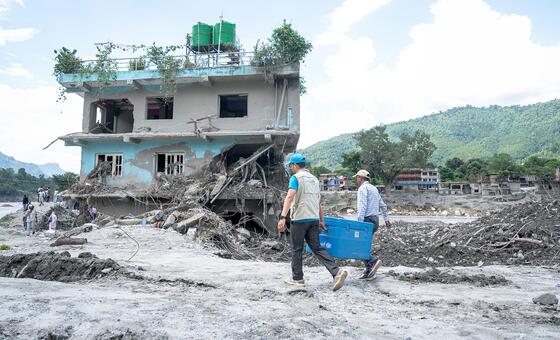
In late August, a huge mass of glacial ice and rock collapsed into the Bhotekoshi, Upper Trishuli and Narayani-Gandak river systems. The resulting torrent swept away houses, bridges and other vital infrastructure. At least 1,400 people died, including 84 children, while nearly 5,300 people remain missing.
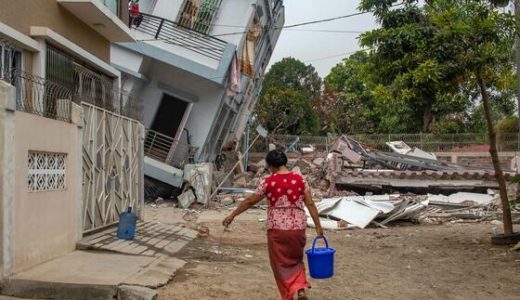
The disaster has reshaped daily life in affected settlements. Some areas of towns and villages now resemble battlefields, and access to isolated communities in Rasuwa remains difficult. Roads and communications are being restored gradually, but many families remain cut off from markets, basic supplies and regular services.
Families struggle with loss and uncertainty
For many survivors, the immediate crisis is inseparable from profound personal grief. UNICEF spokesperson James Elder met 16-year-old Sahara during a technical training programme supported by the agency in Kathmandu. Her mother was swept away and killed during the flooding.
“It’s not nice to live without a mum.”
Sahara’s experience reflects the emotional burden facing children who have lost parents, homes, schools or familiar routines. Rebuilding physical infrastructure is essential, but recovery also depends on helping families regain stability and giving young people a path back to education, community and opportunity.
Another family lost nearly everything when floodwater more than two metres deep rushed through their home. Shushila and her husband, Jivan, saw their tailor’s shop and tea store destroyed. They escaped wearing only the clothes they had on.
“Maybe it would have been better if we weren’t able to escape.”
James Elder said Shushila’s words showed the intense stress and trauma felt by survivors. UNICEF has provided cash assistance to the couple’s family. Faced with many urgent needs, they chose to spend it on their children, buying books, stationery and clothing.
That decision highlights a central reality of disaster recovery: families are not simply trying to replace possessions. They are attempting to protect their children’s futures even while dealing with bereavement, damaged homes and uncertainty over income.
Remote communities still need reliable support
In the hardest-hit places, aid deliveries remain complicated by damaged roads and difficult terrain. Caroline Holt, Director for Disasters, Climate and Crises at the International Federation of Red Cross and Red Crescent Societies, said relief items are still being transported by air to the most isolated locations.
“In the hardest-hit locations, families face disrupted markets, higher transport costs and shortages of essential goods as roads and communications are gradually restored.”
Those pressures can deepen hardship long after floodwaters recede. When transport links are broken, food, medicine, construction materials and other necessities can become harder to obtain or more expensive. Damaged roads also make it more difficult for people to reach health care, schools and places where they can earn an income.
Holt stressed that survivors need more than emergency supplies. They need clarity about where they will live, how they will support themselves and when their children can resume school.
“People need more than assistance to survive, they need confidence in their future, they need to know where they live, how they will earn an income and when their children can return to school.”
For communities affected by the floods, a sustained recovery effort means supporting both immediate needs and the longer process of restoring homes, livelihoods and public services. Relief assistance can help families endure the first difficult weeks, but durable recovery requires support that continues as communities move from emergency response toward rebuilding.
Climate risk is increasing in the Himalayas
The flooding disaster has also renewed attention on Nepal’s exposure to climate-related hazards. The Himalayas are warming at roughly twice the global average, increasing risks in a region where mountain landscapes, glaciers and river systems can create severe dangers when conditions change rapidly.
Nepal contributes only 0.1 per cent of global greenhouse gas emissions, yet it is confronting the impacts of a changing climate on the front line. For vulnerable countries, international commitments on climate action and support for loss and damage must translate quickly into help that reaches families facing the consequences of disasters.
The issue will be under renewed international focus ahead of COP31, the UN climate summit scheduled for Antalya, Türkiye, from 9 to 20 November. States that are parties to the UN Framework Convention on Climate Change have made commitments to prevent, reduce and address loss and damage. The challenge for communities in Nepal is whether that support arrives in ways that make recovery safer, faster and more durable.
Elder warned that the consequences of inaction will be measured most painfully in the lives of children.
“Unless the world acts to reduce climate risks, we will keep returning to the same valleys after the next flood and after the next landslide, and yet again find children paying the highest price. This is true in Nepal, across Asia, across the Pacific and around the world.”
For families in Nepal’s flood-hit valleys, the recovery remains far from complete. Every restored road, reopened school and rebuilt home matters, but the disaster has also underscored a larger need: communities facing escalating climate threats require reliable support before, during and long after an emergency.
Related Reading
Frequently Asked Questions
What is Amid heartache of Nepal flooding disaster?
Amid heartache of Nepal flooding disaster is the main topic of this guide. The article explains the context, practical details, and next steps readers should understand.
Why does Amid heartache of Nepal flooding disaster matter?
Amid heartache of Nepal flooding disaster matters because readers are looking for a useful answer, not just a short summary. Good content should match search intent and help them decide what to do next.