UN Warns Livestreamed US Execution Could Violate Torture Ban
Provpnmatrix.com – Livestreaming US execution would breach international protections against torture and degrading treatment, the United Nations human rights office has warned. The concern follows a proposal to make the planned execution of Nidal Malik Hasan by firing squad public.
The Office of the UN High Commissioner for Human Rights said that broadcasting the execution would, in effect, turn it into a public execution. Such an act would violate the absolute prohibition on torture and other cruel, inhuman or degrading treatment or punishment, it said.
Hasan was sentenced to death by a military jury over the 2009 shooting at the Fort Hood military base in Texas, where 13 people were killed and 32 others were wounded. US Defence Secretary Pete Hegseth had indicated that he intended for the execution to take place publicly.
UN rights office rejects public spectacle
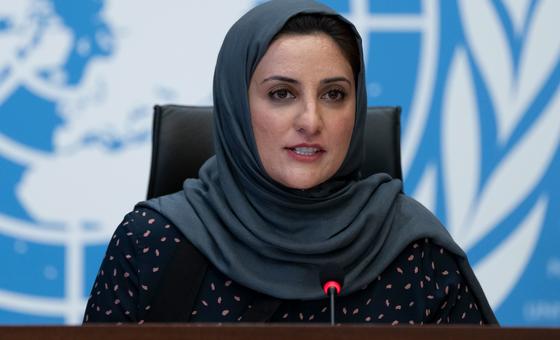
Speaking in Geneva, OHCHR spokesperson Shabia Mantoo referred to earlier statements by UN High Commissioner for Human Rights Volker Türk on public executions in Afghanistan and Iran. The High Commissioner has maintained that public executions amount to cruel, inhuman or degrading treatment or punishment.
“Failure to respect this prohibition would inevitably render the execution arbitrary in nature, and result in a violation of the right to life and the absolute prohibition of torture,” Mantoo said.
The UN warning focuses on the public nature of the proposed punishment as well as the execution itself. A live broadcast could add humiliation and suffering, while turning the death of a condemned person into a public spectacle.
In New York, UN spokesperson Stéphane Dujarric also condemned the possibility of an execution being carried out in public or before live cameras.
“The possibility of…a government executing someone in public or in front of live cameras, frankly, is abhorrent,” Dujarric said.
Capital punishment concerns extend beyond one case
The warning over whether livestreaming US execution would breach human rights protections comes amid wider UN criticism of the death penalty. Earlier in the month, the UN human rights office urged Tennessee authorities not to make further attempts to execute Christa Pike.
Pike survived a failed execution attempt and regained consciousness on 6 October. OHCHR said her case raised concerns about prolonged suffering, execution procedures and unresolved fair-trial issues.
“The death penalty has no place in any society, and Christa Pike’s case lays bare the multiple reasons why capital punishment should be abolished,” OHCHR spokesperson Ravina Shamdasani said.
Tennessee Department of Correction Commissioner Frank Strada said he would leave his role at the end of the month following the failed attempt. The case renewed scrutiny of whether execution methods can avoid unnecessary pain or degrading treatment.
International law and the right to life
The UN has consistently called for the abolition of the death penalty. In countries that retain it, international standards require strict legal safeguards, including fair-trial guarantees and protection against arbitrary, discriminatory, cruel or degrading punishment.
A report presented to the Human Rights Council in August 2025 recorded progress towards abolition in many countries but also serious setbacks elsewhere. Amnesty International figures cited in the report showed that 1,518 executions were carried out in 15 countries in 2024, a 32 per cent increase from 2023.
For the UN rights office, the question of whether livestreaming US execution would breach international law is inseparable from the wider protection of human dignity. A state cannot add public humiliation or spectacle to a punishment without risking violations of the right to life and the torture ban.
Frequently asked questions
Why does the UN oppose a livestreamed execution?
The UN says a public or livestreamed execution can amount to cruel, inhuman or degrading treatment because it adds humiliation and suffering to the punishment.
What does the UN say about the death penalty?
The UN supports abolition of capital punishment worldwide. Where it remains in use, states must meet strict safeguards on fair trials, non-discrimination and protection from cruel or arbitrary punishment.
What happened in the Nidal Malik Hasan case?
Hasan was sentenced to death by a military jury for the 2009 Fort Hood shooting in Texas, which killed 13 people and wounded 32 others.