Djibouti Boat Disaster Leaves 139 Dead and Dozens Unaccounted For
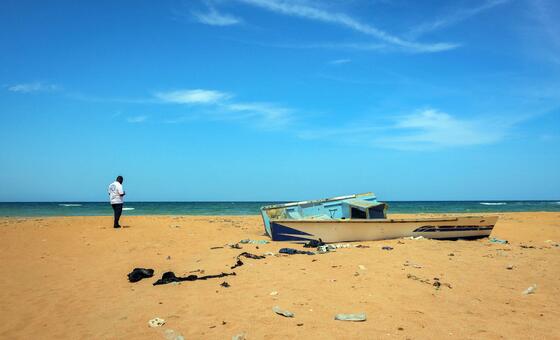
Provpnmatrix.com – A deadly maritime tragedy off the coast of Djibouti has claimed the lives of at least 139 migrants after a boat capsized, while 84 others remain missing.
The International Organization for Migration said on Sunday that the confirmed death toll had risen sharply following the sinking. The number of people who remain unaccounted for underlines the scale of the disaster and the uncertainty still facing families connected to those on board.
The incident is among the starkest reminders of the dangers encountered by migrants travelling by sea in the Horn of Africa. A capsize can rapidly become catastrophic, particularly when passengers are unable to reach safety or when rescue operations must cover difficult stretches of water.
Search for Missing Migrants Continues
With 84 people still missing, the final human toll may not yet be known. Missing-person figures after maritime disasters can change as search efforts continue, survivors are identified, and authorities piece together information about the vessel and its passengers.
The confirmed deaths represent individuals who did not survive the accident, while the missing figure reflects the continuing absence of information about many others. Each number carries a separate dimension of loss: lives already confirmed lost, and families still waiting for news.
Migration journeys often involve movement across several borders and through areas where communications may be limited. That can make it harder to establish quickly who was travelling, where they came from, or whether relatives have been able to make contact after an emergency.
The International Organization for Migration monitors migration-related emergencies and supports efforts to address the risks faced by people moving along dangerous routes. Its update on Sunday placed the disaster’s known death toll at no fewer than 139 people.
A Dangerous Maritime Route
Djibouti occupies a strategically important position in the Horn of Africa, close to maritime routes linking the Red Sea and the Gulf of Aden. Its location also places it within wider regional migration movements, including journeys made by people seeking work, safety, family reunification, or a new opportunity elsewhere.
For people travelling in unsafe or overcrowded boats, a journey that may be viewed as a passage to another destination can become life-threatening within moments. Capsizing incidents leave little time for passengers to respond, especially where conditions at sea, vessel stability, access to flotation equipment, or distance from shore create additional hazards.
The latest loss of life highlights why migration at sea remains a humanitarian concern as well as a matter of transport and border management. The immediate focus after such an event is the missing, the recovery of victims, and support for survivors and affected families. Longer-term concerns include the conditions that lead people to undertake perilous journeys in the first place.
There is no indication in the available information that all circumstances of the capsize have been established. Maritime disasters can require time to investigate, and early casualty numbers may be revised as more details emerge.
What the Figures Mean
The death toll of at least 139 means the number is a confirmed minimum, not necessarily a final total. The 84 people still missing have not been confirmed dead, but their absence remains a grave concern following the sinking.
In the aftermath of a disaster at sea, casualty reporting must distinguish between people whose deaths have been confirmed and those whose whereabouts are still unknown. That distinction matters for emergency responders, authorities, humanitarian organizations, and relatives awaiting information.
It also reflects the difficult reality of tracking passengers after a vessel overturns. Survivors may be separated from one another, names may be incomplete or unavailable, and those involved may have been travelling without documents or reliable ways to contact family members.
The figures released on Sunday therefore offer a measure of the tragedy without resolving every question about the people caught up in it. For those who remain missing, the situation continues to be one of uncertainty.
Human Cost Beyond the Numbers
The loss of 139 lives is not only a major death toll; it represents interrupted futures, grieving relatives, and communities waiting for answers. The missing migrants add another painful layer, leaving loved ones unable to know whether to hope for survival or prepare for devastating news.
Maritime emergencies involving migrants frequently draw attention to the most visible element of the crisis: the number of people killed. Yet the consequences extend well beyond the initial rescue and recovery period. Survivors may require medical care, shelter, help reconnecting with relatives, and information about what happened to others who were on the same journey.
Families far from the scene may face particular difficulty obtaining reliable news. When people are travelling across borders, relatives can be left dependent on fragmented information and uncertain reports while officials and humanitarian organizations work to identify those involved.
As the search for the 84 missing people continues, the Djibouti shipwreck stands as a grave reminder that migration routes by sea can carry enormous risk. The confirmed toll has already made this a devastating humanitarian disaster, and the uncertainty surrounding those still unaccounted for means its full impact has yet to be determined.
Related Reading
Frequently Asked Questions
What is Djibouti shipwreck?
Djibouti shipwreck is the main topic of this guide. The article explains the context, practical details, and next steps readers should understand.
Why does Djibouti shipwreck matter?
Djibouti shipwreck matters because readers are looking for a useful answer, not just a short summary. Good content should match search intent and help them decide what to do next.