Climate Action Faces a Renewed Test as COP31 Nears
Provpnmatrix.com – With less than a month remaining before COP31 begins in Antalya, Türkiye, the pressure on global climate diplomacy is intensifying. The next United Nations climate conference will arrive at a moment when climate-related disasters are becoming more visible in daily life, while confidence in the world’s collective response remains fragile.
Representatives from the presidencies of three consecutive climate summits recently came together around a central challenge: rebuilding trust that international climate action can still produce meaningful results. Their discussion reflected a concern shared across many countries—that commitments carry less weight when communities continue to experience the consequences of a warming planet.
The issue is not simply whether governments recognize the climate threat. The harder question is whether international promises can translate into action quickly enough, fairly enough and at sufficient scale to matter for people facing rising risks.
Why trust matters before Antalya
Trust is one of the less visible but most important parts of climate negotiations. Countries must believe that others will meet their commitments, especially when decisions require major changes in energy, industry, land use, finance and public policy. Developing countries also need confidence that support for adaptation, resilience and climate action will be available when it is needed.
Without that confidence, cooperation becomes more difficult. Governments may hesitate to raise their ambitions if they believe others will not do the same. Communities already affected by extreme weather may question whether distant diplomatic agreements will improve their circumstances. Businesses, local authorities and investors may also struggle to plan when policy signals appear uncertain or inconsistent.
COP31 therefore faces a task that reaches beyond negotiating language and announcing new initiatives. The meeting in Antalya will be judged in part by whether it strengthens the sense that climate cooperation is capable of responding to the realities people are confronting now.
Disasters turn an abstract crisis into a lived experience
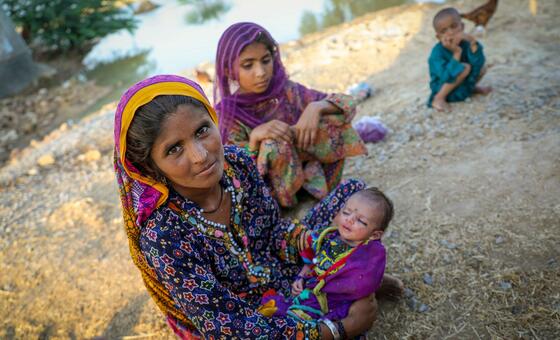
For many years, climate change was often discussed primarily through scientific assessments, emissions targets and long-term projections. Those elements remain essential, but the debate increasingly unfolds against the immediate backdrop of disasters and disruption. Heat, flooding, droughts, storms and other hazards can damage homes, infrastructure, livelihoods, agriculture and public health.
Not every disaster has a single cause, and individual events must be assessed carefully. Yet a warming climate can increase risks and place additional strain on societies that are already vulnerable. This makes preparedness, adaptation and resilient development central parts of the climate agenda, alongside efforts to reduce the greenhouse gas emissions driving global warming.
The human dimension is especially important. Climate action is not only about future targets; it is also about whether families can remain safe, whether farmers can adapt to changing conditions, whether cities can protect essential services and whether countries with limited resources can recover from repeated shocks.
Three presidencies, one shared responsibility
The participation of representatives from three successive summit presidencies underscores that climate progress cannot be treated as a series of disconnected annual events. Each conference inherits unresolved questions from the one before it, while also setting expectations for those that follow.
That continuity matters because climate policy requires sustained effort. Agreements may establish direction, but implementation depends on years of national decisions, international cooperation and practical investment. Progress can be uneven, and setbacks can weaken confidence. Maintaining momentum from one summit to the next is therefore essential.
For the COP31 presidency, the challenge will be to create space for honest discussion while keeping attention on practical outcomes. Calls for greater ambition are most persuasive when paired with credible plans, clearer delivery and recognition of the different capacities and circumstances of countries around the world.
From pledges to practical confidence
Restoring trust does not depend on a single declaration. It is built through visible follow-through: policies that are implemented, commitments that are honored, resources that reach intended communities and cooperation that continues after delegates leave the conference venue.
Climate finance remains a particularly important measure of credibility. Countries facing the greatest climate risks often require support to strengthen infrastructure, protect food and water systems, prepare for hazards and pursue cleaner development pathways. When promised assistance is delayed or difficult to access, trust can erode. When support is reliable and practical, cooperation becomes easier to sustain.
Adaptation also deserves sustained attention. Cutting emissions is indispensable for limiting future warming, but many impacts are already being felt. Communities cannot wait for long-term emissions reductions alone; they need tools and investment that help them cope with present risks.
At the same time, public confidence depends on clear communication. People need to understand what climate decisions mean beyond conference halls: cleaner energy, stronger resilience, safer communities, better planning and a more secure future. Leaders who connect global commitments with everyday concerns can help make climate action feel more concrete and accountable.
A summit shaped by urgency
COP31 in Antalya will take place amid a growing recognition that delay has consequences. The world’s climate challenge is global, but its effects are experienced locally and unevenly. That reality makes cooperation more difficult, yet it also makes it more necessary.
The gathering of the three summit presidencies points to an important message ahead of the conference: trust must be earned through action. As disasters mount and the consequences of warming become harder to ignore, the success of COP31 will rest not only on what is promised, but on whether governments can demonstrate that climate cooperation still has the capacity to deliver.
Related Reading
Frequently Asked Questions
What is As disasters mount next UN climate?
As disasters mount next UN climate is the main topic of this guide. The article explains the context, practical details, and next steps readers should understand.
Why does As disasters mount next UN climate matter?
As disasters mount next UN climate matters because readers are looking for a useful answer, not just a short summary. Good content should match search intent and help them decide what to do next.