Ebola in DR Congo: One Month On, Expanded Measures Fall Short of Containment Goals
Ebola in DR Congo – As the one-month mark approaches since the Bundibugyo Ebola outbreak was formally recognized in the Democratic Republic of the Congo (DRC) and Uganda, the situation remains dynamic. Despite a notable increase in the number of beds and laboratories dedicated to managing the crisis, health officials warn that the response is still lagging behind the scale of the epidemic.
Case Numbers Continue to Climb
The DRC now reports over 780 confirmed cases of the virus, with 180 fatalities recorded. Meanwhile, Uganda has documented 19 cases, of which two have resulted in deaths. These figures underscore the persistent threat posed by the outbreak, even as the regional response has grown more robust.
Expanded Infrastructure, But Still Limited Capacity
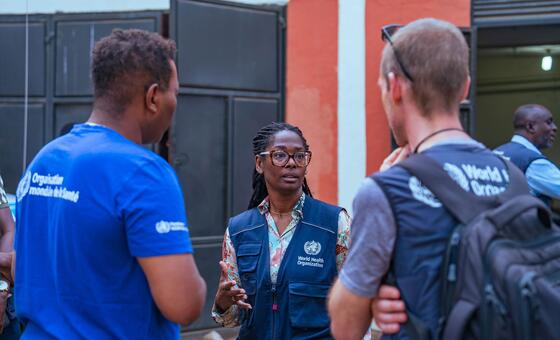
Field operations have seen significant growth, with more than 400 beds allocated for patient care and four laboratories now operational. Two of these facilities alone can analyze nearly 1,000 specimens daily, demonstrating improved logistical capabilities. However, Dr. Rose Belizaire, WHO Africa’s Emergency Response Lead, highlighted that these advancements are insufficient to curb the spread of the disease effectively.
“On a scale of zero to ten, I’d rate our current response as three or four,” Dr. Belizaire stated in an interview with UN News. “The epidemic is evolving rapidly, and unless all partners step up their efforts, we risk losing ground in the fight against this outbreak.”
She emphasized that the response must address the accelerating nature of the crisis. When a new case is reported, teams are dispatched promptly for investigation. Confirmed patients are initially taken to transit centers for temporary observation before being moved to treatment facilities if required. This streamlined process reflects the growing coordination between local and international health agencies.
Multifaceted Response Framework
Dr. Belizaire outlined a comprehensive strategy structured around 11 key pillars, including community-based surveillance, rapid diagnostic testing, and infection prevention protocols. These components are designed to create a unified approach to containment, with Congolese health authorities at the helm of operations.
“The response is built on 11 pillars in the field,” she explained. “From community surveillance to data management, each element plays a critical role in tracking and mitigating the spread of the virus.”
Among these pillars, the establishment of transit centers has been pivotal. These hubs serve as temporary holding areas for individuals awaiting lab results, ensuring timely isolation of confirmed cases. Simultaneously, infection control measures—such as thorough disinfection of contaminated items—have been intensified to minimize transmission risks.
Comprehensive Support for Affected Populations
Efforts to support patients and their families have expanded, with psychosocial and nutritional aid now integrated into the response. This holistic approach aims to address both medical and socio-economic needs, particularly for those in close contact with infected individuals. Patients in treatment centers receive three meals daily, while contacts are provided with food rations to ease their burden.
“We now offer psychosocial and nutritional support to confirmed patients, their families, and contacts being monitored,” Dr. Belizaire said. “This ensures we’re addressing the outbreak from multiple angles, not just the clinical.”
Such support is vital in maintaining community morale and reducing stigma, which can hinder outbreak response. By focusing on the well-being of affected populations, health teams hope to foster greater cooperation and trust in containment efforts.
Demographic Shifts in Affected Groups
Initially, the outbreak disproportionately impacted men aged 20 to 49, but recent data shows a concerning trend. Women now represent the most affected demographic, while cases among children are on the rise. This shift is attributed to the traditional caregiving roles women play in households, exposing them to higher infection risks.
“In infectious disease outbreaks, women often bear the brunt of transmission due to their roles as caregivers,” Dr. Belizaire noted. “They tend to family members, spouses, and even their own children, making them central to the spread.”
Children’s increasing involvement in the outbreak could be linked to close contact with infected adults or community transmission. This evolving pattern requires targeted interventions to protect vulnerable groups and adjust resource allocation accordingly.
Adapting to Local Contexts
Dr. Belizaire stressed the importance of tailoring the response to reflect the realities of affected communities. During her recent visits, she engaged with diverse groups, including women, local entrepreneurs, motorcycle taxi drivers, and community leaders, to understand their unique challenges.
“An outbreak doesn’t occur in a vacuum—it happens within a specific context,” she said. “We must adapt our strategies to meet the needs of the population and account for their daily movements.”
Entrepreneurs, for instance, express fears about economic disruptions caused by lockdowns and reduced mobility. Motorcycle taxi drivers, who are essential for transporting people in affected areas, face heightened exposure risks. These insights have shaped the response, ensuring it aligns with the practical demands of the communities it serves.
Border Collaboration as a Key Factor
The cross-border dynamics of the outbreak have become a focal point for collaboration. Dr. Belizaire participated in meetings along the DRC-Uganda border, where officials from both countries worked to strengthen coordination. These discussions led to the creation of a shared action plan, aiming to harmonize efforts in a region where the virus has spread most rapidly.
“At the border, the dividing line is less significant than the shared challenges we face,” she observed. “We’re building a unified front to tackle the epidemic, recognizing that the health of one community is closely tied to the other.”
This partnership is crucial for tracking the virus’s movement and ensuring swift action. The border region’s high case numbers highlight the necessity of such cooperation, as the outbreak continues to test the resilience of local health systems and community networks.
As the response gains momentum, the challenge remains to bridge the gap between current capabilities and the urgent needs of the epidemic. Dr. Belizaire’s comments serve as a reminder that while progress has been made, sustained efforts are required to turn the tide and protect the most vulnerable populations.