Sudan: UN Security Council Issues Alert Over El Obeid’s Atrocity Threat
Sudan – The United Nations Security Council has raised alarms regarding the significant deployment of military forces by the Rapid Support Forces (RSF) around El Obeid in Sudan, signaling apprehension about an impending ground attack on the city. With tensions escalating, the Council highlighted the potential for mass atrocities and urged immediate action to prevent further violence. This warning comes amid growing concerns over the humanitarian toll of the conflict, which has already displaced thousands and left infrastructure in ruins.
Imminent Risk and Call for Ceasefire
In a statement released on Saturday, Council members emphasized the urgent need to avert widespread suffering in El Obeid, the capital of North Kordofan state. The document stated that the RSF’s recent reinforcement of military positions in the region posed a direct threat to civilian safety, prompting demands for an immediate halt to the assault. “The situation in El Obeid is critical, and we cannot allow the risk of mass atrocities to escalate further,” one Council representative noted, underscoring the gravity of the situation.
The Council’s statement highlighted the imminent danger to civilians and called for the RSF to suspend its military operations in the city, urging all parties to prioritize human life over strategic gains.
The Council also reiterated its broader concerns about the violence spreading across Sudan, where the Sudanese Armed Forces (SAF) and the RSF have been locked in a bitter struggle since the middle of April 2023. This conflict has destabilized key regions, including the Kordofan states, and intensified with reports of escalating combat. The international community has been closely monitoring the situation, as the humanitarian crisis deepens with each passing day.
Humanitarian Crisis and Legal Obligations
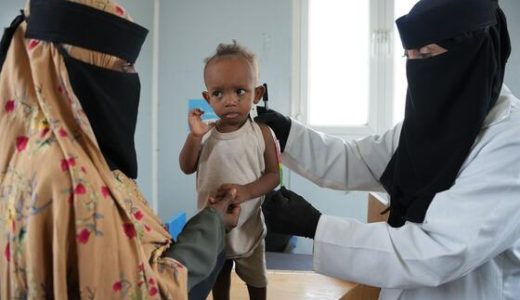
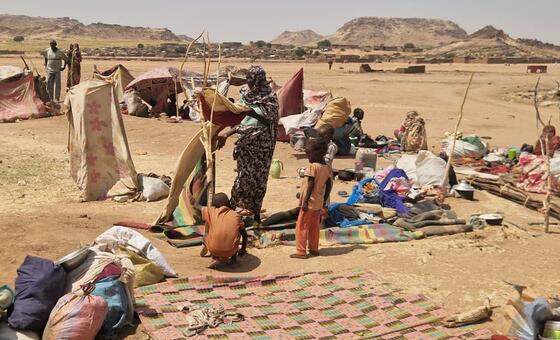
Officials stressed that the escalating fighting in the Kordofan states could worsen an already dire humanitarian situation. The conflict has disrupted food supplies, damaged hospitals, and forced families from their homes, creating a perfect storm for disaster. “The scale of destruction and the number of casualties are alarming,” said a Council member, adding that the parties involved must adhere to international humanitarian law to mitigate further harm.
Members of the Security Council also reminded the RSF of their obligations under the Jeddah Declaration, a landmark agreement signed in the Saudi capital during May 2023. This pact binds the warring parties to ensure safe passage for civilians, protect humanitarian workers, and facilitate the delivery of aid to affected regions. The Council reiterated that these commitments must be upheld, even as the fighting intensifies.
Drone Strikes and Accountability Demands
Recent reports of RSF drone strikes in El Obeid have added to the urgency of the Council’s warnings. These aerial attacks, coupled with an increase in drone operations across Sudan, have raised fears of targeted killings and indiscriminate harm to non-combatants. The Security Council called for thorough investigations into these incidents, urging accountability for any violations of international law.
They also emphasized the need for all factions to provide transparency in their military actions. “Every strike must be scrutinized, and those responsible for breaches of the law must face consequences,” stated a Council official. This demand comes as the conflict’s intensity has created a volatile environment, with civilians caught in the crossfire.
International Support and Peace Efforts
The Council urged UN Member States to avoid external interference that could exacerbate the conflict. They called on nations to support peace initiatives and implement Security Council resolutions, including Resolution 2791 (2025), which aims to strengthen humanitarian access and protect vulnerable populations. “Global actors must act in solidarity with Sudan, not as agents of division,” one delegate said.
Additionally, the body reaffirmed its dedication to preserving Sudan’s sovereignty, independence, and territorial integrity. They condemned any attempts to establish parallel governing authorities in areas under RSF control, asserting that such actions threaten the country’s unity and the prospects for lasting peace. “Sudan’s future depends on the willingness of its leaders to resolve this conflict through dialogue, not force,” the statement concluded.
Context and Regional Implications
The conflict between the SAF and RSF has drawn attention from regional neighbors, who have expressed fears of spillover effects. Analysts warn that the prolonged violence could lead to economic collapse and fuel ethnic tensions across the country. The RSF’s military buildup in El Obeid, however, suggests a strategic focus on reclaiming territory and asserting control over the region.
Despite the Council’s intervention, the situation remains fragile. The deployment of additional troops and the use of drones indicate a shift toward more aggressive tactics, which could lead to a large-scale operation in the city. This development has sparked debates about the effectiveness of diplomatic measures and the need for stronger enforcement mechanisms to protect civilians.
Path Forward and Global Response
As the Security Council continues to monitor the crisis, they have urged the international community to step up support for humanitarian efforts. This includes funding for aid distribution, medical care, and shelter for displaced individuals. The Council also called on regional organizations to mediate talks between the SAF and RSF, emphasizing the importance of a political resolution.
The ongoing conflict has placed immense pressure on Sudan’s government to balance military needs with civilian protection. With resources stretched thin and infrastructure in disrepair, the country faces a challenging path to recovery. The Security Council’s latest statement serves as a reminder of the stakes involved and the necessity for all parties to commit to peace.
As the situation evolves, the Council remains vigilant, preparing to take further action if the risk of mass atrocities persists. Their message is clear: the protection of civilians must take precedence over territorial disputes. “We are committed to ensuring that no one is left behind in this crisis,” a Council representative emphasized, setting the stage for continued engagement with Sudan’s leaders and the international community.
With the humanitarian situation worsening by the hour, the Security Council’s warnings carry added weight. The people of El Obeid and other conflict zones are now relying on the Council’s resolve to prevent a catastrophic outcome. The next steps will determine whether the path to peace remains viable or if the conflict spirals into a full-scale catastrophe.