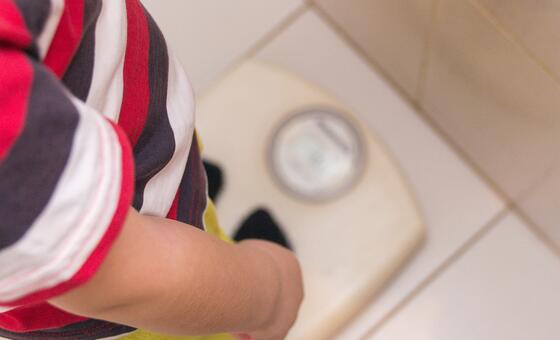
Child Obesity Rates Reach New Global Concern as WHO Issues First Guidelines
Provpnmatrix.com – Obesity among children and teenagers has become a major global health challenge, with rates rising sharply over the past several decades. The World Health Organization has released its first global guidelines focused on child obesity as governments, health professionals and families confront a trend affecting young people in every region.
The scale of the increase is striking. In 1990, about two per cent of children and adolescents aged five to 19 lived with obesity. That figure has since climbed to roughly eight per cent, meaning the proportion has quadrupled within a generation.
The new guidance places child and adolescent health at the centre of a wider discussion about food, physical activity, healthcare access and the environments in which young people grow up. Obesity is not simply a matter of individual choices. Children’s routines, available foods, family circumstances, schools, advertising and opportunities for movement can all shape long-term health.
A concern extending beyond body weight
Childhood obesity can have consequences that continue into adulthood. It may be linked with a higher risk of health problems later in life, while also affecting confidence, social experiences and emotional wellbeing during childhood. For families, the issue can be difficult to address because children need support and care rather than blame or stigma.
A constructive response focuses on health, regular routines and supportive environments. That can include access to nutritious food, time and safe places for active play, appropriate medical advice when needed, and conversations that avoid shaming children for their bodies. The needs of each child can differ, and a respectful approach is important.
The steep global rise also shows why prevention cannot rest solely on parents. Families make decisions within the choices available to them. Where healthier food is unaffordable, safe outdoor space is limited, or daily routines leave little time for rest and activity, maintaining healthy habits can become much harder.
Why global guidance matters
International guidelines can help health systems and policymakers develop more consistent approaches to prevention, assessment and support. They can also encourage decision-makers to view childhood obesity as a public-health issue that requires coordinated action across sectors, rather than treating it only as a private family concern.
Schools may play an important role because they reach children during a large part of their daily lives. Educational settings can support healthy routines through meals, physical education, access to drinking water and health information. Communities also influence wellbeing through transport, recreation areas, food availability and local health services.
For clinicians, clear guidance can help make discussions with children and caregivers more sensitive and practical. A child’s health should be considered in context, including growth, development, family circumstances and any medical needs. Reducing stigma is essential, since judgement can discourage families from seeking help.
What Families Can Take From the Discussion
The global figures may feel overwhelming, but everyday support can still make a difference. Shared meals when possible, varied foods, regular sleep, enjoyable movement and less pressure around appearance can contribute to a healthier home environment. The goal is not perfection or restrictive rules; it is helping children build sustainable habits while they grow.
Parents and caregivers who have questions about a child’s growth or wellbeing can speak with a qualified health professional. Advice should be tailored to the child rather than based on assumptions, comparisons or social-media messages about weight.
It is equally important to recognise that obesity can affect children from many backgrounds. Framing the issue with compassion helps avoid turning a health challenge into a source of shame. Children deserve support that protects both their physical health and their dignity.
A long-term public-health priority
The increase from two per cent to around eight per cent among five-to-19-year-olds is a warning that the problem has developed over decades and will not be solved through a single campaign. Lasting progress will depend on policies and services that make healthy choices more realistic for families, particularly those facing economic or social barriers.
The WHO’s first global guidelines on child obesity arrive at a moment when the need for action is increasingly clear. By bringing attention to prevention, care and supportive environments, the guidance can help shift the conversation away from blame and toward practical solutions for children and adolescents worldwide.
Related Reading
Frequently Asked Questions
What is WHO releases first global guidelines on child?
WHO releases first global guidelines on child is the main topic of this guide. The article explains the context, practical details, and next steps readers should understand.
Why does WHO releases first global guidelines on child matter?
WHO releases first global guidelines on child matters because readers are looking for a useful answer, not just a short summary. Good content should match search intent and help them decide what to do next.