UN disarmament chief warns AI could displace human judgment in warfare
Provpnmatrix.com – Artificial intelligence is taking on a larger role in military operations, raising urgent questions about whether people will retain meaningful control over decisions involving the use of force. Robin Geiss, Director of the UN Institute for Disarmament Research (UNIDIR), warned that the pace of this shift is placing human judgment under growing pressure.
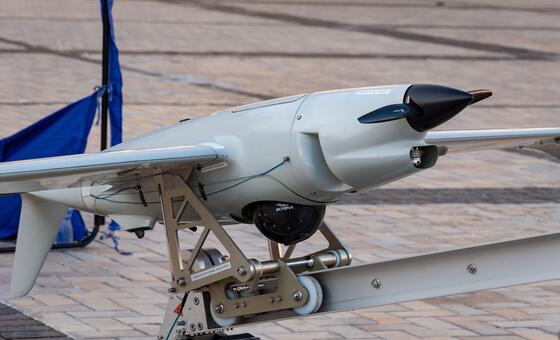
Speaking at UN Headquarters in New York on Tuesday, he described a battlefield environment in which AI-supported tools are increasingly involved in intelligence work, identifying possible targets, operating drones and coordinating cyber operations. The concern is not simply that machines are being used by armed forces, but that their expanding role may reduce the space for deliberate human decision-making.
“Are we going to let machines target and kill human beings?”
Geiss said artificial intelligence appears to be moving toward a point where it could “crowd out” human choices in military affairs. The warning echoes repeated appeals by the UN Secretary-General, who has urged governments, militaries and technology actors not to cross what he has called a moral red line.
Faster operations, greater risks
Military AI can accelerate the path from gathering information to acting on it. Systems may help process large amounts of data, flag potential threats and support decisions at a speed that human teams could struggle to match. That capability can allow forces to address far more potential targets in a single day than traditional processes permit.
But rapid action can carry serious consequences when the information, assumptions or system outputs are wrong. Geiss cautioned that many AI systems remain difficult to understand from the outside, and sometimes even for the people using them. A lack of transparency can make it harder to identify mistakes, question recommendations or establish why a system produced a particular result.
In a conflict setting, those weaknesses may contribute to miscalculation, error and unintended escalation. The stakes are especially high when advanced technologies influence decisions connected to nuclear weapons or other strategic capabilities. Human involvement is often presented as a safeguard, but that safeguard can be weakened if operators are expected to keep pace with automated systems working at ever-higher speed.
The issue therefore goes beyond whether an individual machine independently fires a weapon. It also concerns the wider chain of decisions: who designs the tools, what data they rely on, how their outputs are interpreted, and whether personnel have enough time and authority to intervene.
Access beyond national militaries
Geiss also highlighted the growing possibility that non-State actors could use increasingly accessible AI tools to carry out more advanced military activities. As these technologies become easier to obtain and operate, armed groups outside government control may find new ways to support planning, execution or logistics.
This prospect adds another layer of difficulty for governments seeking to manage military AI. Regulation must address not only the conduct of major armed forces but also the risk that broadly available technology can be adapted for harmful purposes by actors who do not follow international norms.
Geopolitical rivalry remains a major obstacle to agreement. States may see AI as a strategic advantage and may be reluctant to accept restrictions they believe could limit their own security options. Even so, Geiss said worries about the risks are increasingly shared across political divides, including among leading powers.
Signs of possible cooperation
One example emerged in September, when the United States proposed an AI notification mechanism with China. Such an arrangement could enable the two countries, the world’s largest military spenders, to alert one another to AI-related incidents that might create national-security risks.
While a notification process would not solve every problem created by military AI, it reflects a recognition that communication can help reduce the danger of misunderstanding. In a fast-moving crisis, uncertainty about whether a system failure, cyber event or automated action is intentional could quickly intensify tensions.
Geiss said international support is also increasingly aligning with calls by the UN Secretary-General for stronger oversight of military AI and for a legally binding treaty addressing lethal autonomous weapon systems. The central question is whether international rules can keep pace with technologies that are being developed and integrated into military systems rapidly.
Building common rules and language
UNIDIR is seeking to create practical foundations for multilateral cooperation. On Thursday, its Centre of Excellence on AI, Peace and Security is set to launch a new forum focused on artificial intelligence in international peace, security and military affairs. Geiss described it as the first and only forum of its kind within the UN system so far.
The initiative will bring multiple stakeholders into the discussion, reflecting the fact that military AI is shaped not only by states but also by technology companies, researchers, civil society and international institutions.
One priority is a framework for responsible conduct by industry. The goal is to develop voluntary, practical guidance that companies can apply while designing and developing AI tools with military uses. Decisions made at this early stage can affect how systems are tested, what safeguards they contain and how readily they could be used in harmful ways.
A second area of work is the creation of an AI security lexicon. Terms such as autonomy, safety and security are often used differently by different governments and organizations. Without common meanings, negotiations can become clouded by ambiguity and trust can be harder to build.
The third focus is preventing misuse by non-State armed groups, particularly in operational planning, execution and logistical support. Together, these efforts aim to make cooperation more workable before technological change makes the risks harder to manage.
For policymakers and the public alike, the debate is ultimately about accountability. AI may reshape how militaries gather information and act, but the consequences of war remain profoundly human. Maintaining responsibility, oversight and genuine human judgment will be central to deciding how far these systems are allowed to go.
Related Reading
Frequently Asked Questions
What is AI on track to crowd out human?
AI on track to crowd out human is the main topic of this guide. The article explains the context, practical details, and next steps readers should understand.
Why does AI on track to crowd out human matter?
AI on track to crowd out human matters because readers are looking for a useful answer, not just a short summary. Good content should match search intent and help them decide what to do next.