Djibouti Confronts Rising Hunger Crisis as Emergency Alert Signals Sharp Increase
Djibouti – A comprehensive new assessment has revealed that over a quarter of Djibouti’s citizens could encounter severe food insecurity in the near future. According to a report published on Friday by a United Nations-supported international food monitoring organization, more than 256,000 individuals—representing approximately 25 percent of the nation’s total population—are projected to experience either crisis or emergency conditions related to hunger.
The findings indicate a notable deterioration compared to earlier assessments conducted during the May through June timeframe. This upward trend underscores the growing vulnerability of communities across the Horn of Africa country, which has a total population of roughly one million residents.
Refugee Communities Bear Heavy Burden
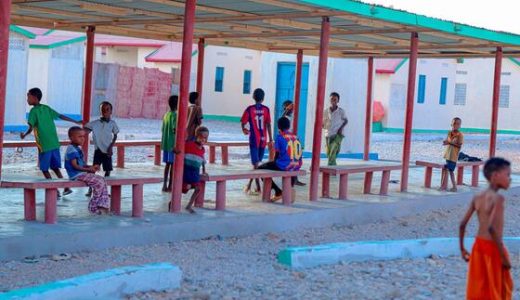
Among those most affected are displaced persons residing in two primary camps: Ali Addeh and Holl-Holl. These populations continue to rely substantially on external food aid to meet their daily nutritional needs. The report highlights that nearly 70 percent of the camp inhabitants, totaling over 21,000 individuals, have been categorized at the crisis level or higher in terms of food security classification.
This concentration of vulnerable populations within the camps presents ongoing challenges for humanitarian organizations working to provide adequate support. Many families in these settlements face limited alternatives beyond receiving assistance, making them particularly susceptible to fluctuations in aid availability and regional conditions.
Three Primary Drivers of Food Insecurity
The latest analysis identifies three interconnected factors expected to intensify hunger conditions over the next half-year. First, climate-related disruptions pose significant threats to both agricultural output and pastoral livelihoods. Anticipated El Niño patterns are forecast to bring irregular rainfall distribution, elevated temperatures, and extended dry periods. These environmental stresses will likely cause water sources to diminish and reduce grazing areas for livestock, ultimately decreasing both crop yields and animal husbandry activities.
Second, elevated food costs stemming from trade interruptions and geopolitical complications near the Bab-el-Mandeb Strait are affecting import expenses. These supply chain disruptions limit product availability in domestic markets while simultaneously increasing prices for consumers.
Third, broader economic pressures are eroding household purchasing capacity. Rising inflation rates are particularly impactful for rural and peri-urban families, constraining their ability to acquire sufficient food while also contributing to increased production expenses and slower national economic expansion.
Insufficient Aid Response
The IPC assessment concludes that current food assistance levels remain generally inadequate for addressing the scale of need. Consequently, many beneficiaries are experiencing substantial gaps between their food consumption requirements and actual intake. Additionally, acute malnutrition rates have reached concerning levels among those receiving aid.
“Urgent actions are more than necessary to reduce consumption deficits and vulnerability and strengthen the resilience of affected households to prevent their food situation from shifting to higher levels of severe hunger,” the IPC analysis emphasizes.
The Integrated Food Security Phase Classification system was originally created following the catastrophic 2004 famine in neighboring Somalia. Its primary purpose involves establishing a standardized measurement framework for evaluating food security and nutritional status across different regions. By issuing timely warnings based on consistent criteria, the network aims to facilitate preventive measures that can avert widespread starvation and famine conditions before they escalate into full-scale crises.