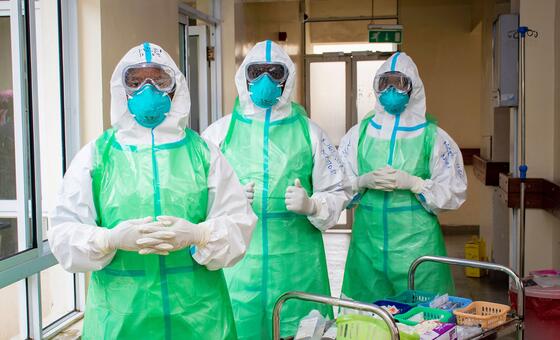
Twenty Ebola Contacts Complete Quarantine in Kenya
Provpnmatrix.com – Kenya – Twenty people linked to Kenya’s first confirmed case of Ebola Bundibugyo virus disease have left quarantine after completing 21 days of observation without developing symptoms. Their release marks an important point in the country’s effort to contain the outbreak and prevent further transmission.
The group was discharged on Monday after final medical checks and counselling. Before returning home, each person received guidance on precautions after discharge and arrangements for further follow-up when needed. None showed signs of illness during the monitoring period.
“We ask communities to welcome them home warmly,” said Dr Patrick Amoth, Kenya’s director general for health. “Having completed 21 days without symptoms, they pose no risk of infection to anyone.”
The 21-day period is significant because it covers the incubation window used for Ebola monitoring. People identified as contacts are observed closely so that symptoms can be detected quickly and care can begin without delay if infection is confirmed.
Contact tracing reached people in Kenya and abroad
Kenya confirmed its first Ebola case on 6 October. The patient was a Kenyan man who had been working in the Democratic Republic of the Congo, where an outbreak was declared on 15 May and infections and deaths have continued to increase.
He travelled back to Kenya through Uganda on 3 October and died at a Nairobi hospital two days later. Health authorities then launched contact tracing to identify people who might have been exposed during his journey, treatment and contact with others.
The operation included relatives, airline passengers and crew, airport staff, and health workers. By 22 October, officials had traced all identified contacts, including people located outside Kenya, and placed them under quarantine.
Eight contacts developed symptoms during the response and tested positive for Ebola through laboratory testing. They were moved immediately to the Ebola treatment centre in Nairobi. Kenya has recorded nine confirmed cases and two deaths in total.
All of the confirmed infections belong to a single connected group. Health authorities have found no evidence that the virus has spread more broadly within the community, a key indication that rapid tracing, monitoring and isolation measures have helped limit the outbreak.
Returning home after observation
Completing quarantine can carry an emotional burden for affected people and their families, particularly when an outbreak generates fear or misinformation. Public health leaders have stressed that people who finish the required observation period without symptoms should be supported rather than avoided.
“People who complete quarantine have helped protect their families, their communities and the whole country,” said Dr Neema Rusibamayila Kimambo, the World Health Organization representative to Kenya.
The return of the 20 contacts to their communities does not mean the response has ended. Ebola control depends on continued surveillance, quick reporting of possible symptoms, infection-prevention measures in health facilities, and clear communication with the public. It also requires people who may have been exposed to cooperate with health teams, even when they feel well.
Health authorities are continuing to monitor the situation while supporting those receiving care. The World Health Organization has been working with Kenya on preparedness and response measures, including coordination, surveillance, tracing, laboratory services, clinical care, infection prevention and control, screening at entry points, risk communication and community engagement.
Why early action matters
Bundibugyo virus disease is one form of Ebola virus disease. There is no licensed vaccine or specific treatment for this virus type. However, early identification of cases and supportive treatment can improve the likelihood of recovery.
Supportive care may include careful monitoring, treatment of symptoms and complications, and measures to maintain hydration and overall health. Rapid laboratory confirmation also helps health teams separate suspected cases from confirmed infections and direct patients to specialised treatment facilities.
For communities, the most practical message is that public health guidance should be followed promptly. Anyone identified as a contact needs to complete monitoring requirements, while people with possible symptoms should seek medical assessment quickly through the appropriate health channels. Avoiding stigma is equally important: people who have completed quarantine without symptoms are not a danger to those around them.
Dr Kimambo praised the national and local teams involved in the response.
“WHO commends the Ministry of Health, the Kenya National Public Health Institute, national and county health teams for their work in responding quickly to every new case,” said Dr. Kimambo.
Kenya’s response illustrates the central role of contact tracing in managing Ebola risks. Identifying exposed people, monitoring them through the full observation period, testing anyone who becomes ill and transferring confirmed cases to treatment quickly can interrupt chains of transmission before they grow larger.
As the released contacts reunite with their families, health officials are urging communities to receive them with reassurance and solidarity. Their completion of quarantine reflects both their own cooperation and the wider effort to keep Ebola contained.
Related Reading
Frequently Asked Questions
What is Kenya?
Kenya is the main topic of this guide. The article explains the context, practical details, and next steps readers should understand.
Why does Kenya matter?
Kenya matters because readers are looking for a useful answer, not just a short summary. Good content should match search intent and help them decide what to do next.