Myanmar’s Illicit Economy Deepens Civilian Suffering
Provpnmatrix.com – Myanmar s illicit economy fuels escalating violence as civilians endure deadly attacks, reduced humanitarian access and the growing influence of criminal networks. UN Special Rapporteur Kelley Anne Eckels-Currie described the country’s human rights situation as “catastrophic”, warning that violence is intensifying despite military claims of seeking peace.
Myanmar has faced upheaval since the military removed the democratically elected Government in February 2021. Widespread opposition and armed resistance followed, developing into a conflict that has displaced communities and placed vital public services under extreme strain.
As of 15 September 2026, military forces had killed at least 8,384 civilians since the coup, according to the Special Rapporteur. The toll reflects a conflict whose harm extends well beyond armed groups and front lines.
Peace plan followed by civilian deaths
The military announced a 100-day peace plan running from 20 April to 31 July 2026. However, the period brought further deterioration: around 753 civilians were killed, with military and paramilitary forces responsible for 89 per cent of those deaths.
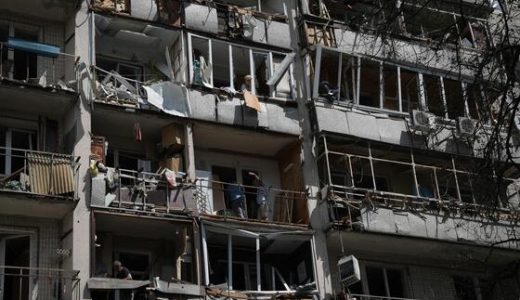
Airstrikes and artillery attacks have damaged or hit schools, health facilities, places of worship, markets and camps for displaced people. When these sites are destroyed, communities lose access not only to shelter but also to healthcare, education, safety and essential goods.
“These are not accidents… This is intentional infliction of harm on civilian populations for the purpose of terrorising them and trying to force them into submission,” Ms Eckels-Currie said.
The Special Rapporteur linked the attacks to the military’s long-standing “Four Cuts” doctrine, which seeks to isolate areas resisting military rule by cutting off food, resources, humanitarian assistance and local support. For displaced families and people who have lost livelihoods, this can make daily survival far more difficult.
Aid restrictions intensify the crisis
Humanitarian operations are being obstructed through communications shutdowns, movement restrictions and checkpoints. These barriers can prevent food, medicines, fuel and other necessities from reaching displaced people and isolated communities.
Aid workers also face harassment, arbitrary detention, torture and killings. In July 2026, three humanitarian workers were reportedly tortured and killed in Dawei, in southeastern Myanmar, adding to the dangers faced by those assisting vulnerable communities.
Telecommunications restrictions carry serious consequences across remote and conflict-affected areas. Without reliable communications, civilians may be unable to request medical help, receive safety information, contact relatives or coordinate relief deliveries.
Criminal enterprises help sustain the conflict
Myanmar s illicit economy fuels more than criminal activity; it is increasingly helping sustain the conflict. As war and poor economic management weaken formal economic opportunities, illicit businesses have expanded and gained influence.
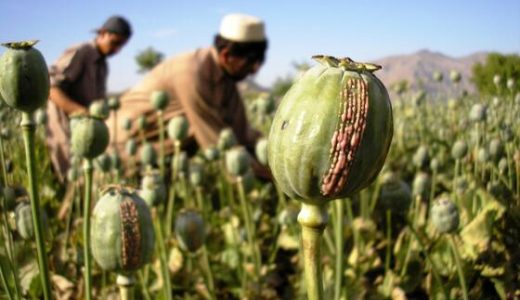
Online scam operations, unlawful mining, human trafficking and forced labour are among the activities identified as sources of money and power. These enterprises exploit vulnerable people while producing revenues that can reinforce armed control and prolong instability.
Black-market income is helping finance military procurement, including weapons purchases from China and Russia, while supporting loyalty within the junta’s ranks. Myanmar s illicit economy fuels a system in which conflict and criminal profits can strengthen one another.
Ms Eckels-Currie said Chinese transnational criminal networks are the “backbone” of many criminal operations in Myanmar. She also highlighted cryptocurrency services such as Tether and platforms including TikTok, Meta and X as tools that can facilitate illicit activity, while corruption in neighbouring countries helps cross-border trafficking networks operate.
Frequently asked questions
How does Myanmar’s illicit economy affect ordinary people?
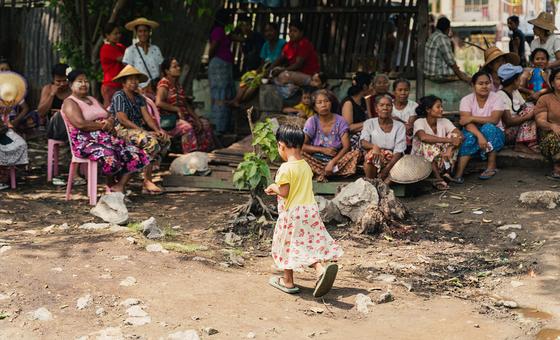
Myanmar s illicit economy fuels violence and exploitation while reducing safe economic opportunities. Civilians can face forced labour, trafficking, displacement and reduced access to essential services as criminal groups and armed actors expand their control.
Why is humanitarian aid difficult to deliver in Myanmar?
Movement restrictions, checkpoints and communications shutdowns can block or delay the delivery of food, medicine, fuel and other life-saving assistance. Aid personnel also face serious security risks.
What services are most affected by attacks?
Attacks have affected schools, health facilities, places of worship, markets and camps for displaced people. Damage to these locations limits education, healthcare, protection and access to basic supplies for communities already affected by conflict.