South Sudan Launches Groundbreaking Drought Response Before Crisis Peaks
A Proactive Approach to Climate Vulnerability
South Sudan has initiated a pioneering humanitarian strategy designed to shield vulnerable populations from the escalating threat of drought. The Eastern Equatoria state, home to communities heavily reliant on seasonal weather patterns, is now benefiting from a comprehensive UN-supported framework that prioritizes prevention over reaction. This innovative approach seeks to safeguard thousands of residents before severe environmental conditions fully materialize.
The World Food Programme, working in close collaboration with South Sudan’s national government, officially launched this initiative on Friday. Marking a historic milestone, this represents the nation’s inaugural drought anticipatory plan. The program extends its protective reach to over 65,000 individuals residing across the Budi and Kapoeta North counties, regions particularly susceptible to prolonged dry periods.
Understanding Anticipatory Action
According to the WFP, anticipatory action fundamentally shifts humanitarian response from reactive to proactive. Rather than waiting for disasters to unfold and then mobilizing resources, this model triggers assistance based on predictive data and scientific forecasts. The primary objective involves protecting human lives, maintaining food security, and preserving household incomes before crises reach critical levels.
Anticipatory action is transforming the way we manage climate-related shocks
Mutinta Chimuka, the WFP Country Director for South Sudan, emphasized this paradigm shift in her statement. She noted that instead of allowing drought conditions to deepen humanitarian needs before responding, the organization now acts based on evidence and forecasts. This proactive stance enables communities to receive support before their livelihoods become disrupted, creating a more sustainable pathway to resilience.
Direct Support Mechanisms
The implementation strategy incorporates multiple complementary approaches. Cash transfers form a cornerstone of the assistance package, with 52,751 individuals currently receiving financial support. This monetary assistance enables families to meet essential food requirements and maintain their livelihood activities before environmental conditions worsen. Beyond immediate consumption needs, the cash transfers strengthen purchasing power and reduce the likelihood that households will adopt negative coping mechanisms such as selling productive assets or reducing meal sizes.
Simultaneously, more than 65,000 people benefit from comprehensive early warning communication and awareness campaigns. These informational initiatives deliver critical guidance on drought preparedness, livestock management practices, efficient water utilization, and strategic livelihood planning. By equipping communities with knowledge before emergencies occur, the program empowers residents to make informed decisions that protect their wellbeing.
Climate Vulnerability in Eastern Equatoria
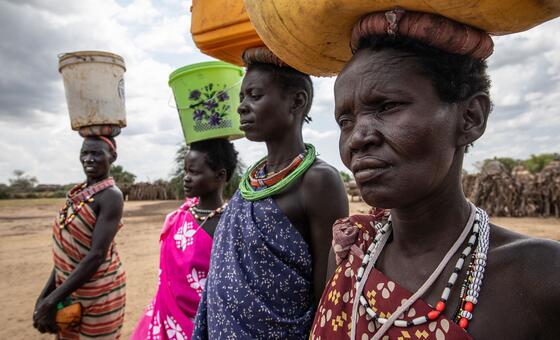
The agro-pastoral communities of Eastern Equatoria face particular challenges due to their dependence on predictable rainfall patterns. These populations cultivate crops and raise livestock that require consistent seasonal precipitation. When dry spells extend beyond normal durations, the consequences cascade rapidly through the community. Crop failures and livestock losses diminish household incomes while simultaneously exacerbating food insecurity across the region.
The anticipatory plan addresses these vulnerabilities through an integrated approach that combines scientific forecasting, early warning systems, and pre-arranged financial resources. This multi-layered strategy enables the WFP and its partner organizations to assist vulnerable populations in withstanding climate shocks while protecting previously achieved development gains. The ultimate goal involves building lasting resilience that will serve communities in future environmental challenges.
Funding and Historical Context
The successful implementation of this initiative required substantial international investment. The current program received $1.08 million in funding from the Korea International Cooperation Agency alongside $1.37 million contributed by Germany. These financial contributions enabled the rapid deployment of cash assistance and communication campaigns to affected communities.
This latest effort builds upon previous investments from Ireland and the KOICA, which established South Sudan’s foundational anticipatory action system. Those earlier contributions facilitated the development of the drought anticipatory action plan and enhanced operational readiness for future activations. The cumulative effect of these international partnerships demonstrates a sustained commitment to transforming how South Sudan responds to climate-related emergencies.
Through this comprehensive approach, South Sudan is positioning itself to better navigate the increasing frequency and intensity of climate-related challenges. By acting before crises fully develop, the program not only protects immediate livelihoods but also contributes to long-term stability and development in one of the world’s most climate-vulnerable regions.