UNICEF Delivers Emergency Aid to Isolated Families in South Sudan’s Jonglei State
Provpnmatrix.com – Families in remote parts of South Sudan’s Jonglei state have received urgently needed food, health, water and protection support after months of being largely beyond the reach of humanitarian services.
UNICEF and its partners carried out emergency missions to communities in Wiechjol, in Akobo County, and Waat, in Nyirol County. The operations targeted areas where renewed fighting, displacement and insecurity have made travel dangerous and interrupted the basic services on which mothers and children depend.
“Access challenges in Jonglei state have left the lives of mothers and their children hanging in the balance,” said Noala Skinner, UNICEF South Sudan Country Representative.
Jonglei is one of several South Sudanese states affected by a return to armed clashes involving Government and opposition forces. Since January, escalating violence has forced people from their homes, restricted movement along key routes and contributed to the closure of health facilities. In many locations, families have been left without dependable healthcare, nutrition services, clean water or protection assistance.
Supplies delivered through rapid-response missions
More than eight tonnes of essential materials were delivered through UNICEF’s Rapid Response Mechanism, known as the RRM. This approach is designed to bring lifesaving assistance quickly to communities cut off by conflict, insecurity or other emergencies.
The supplies included therapeutic food for children experiencing acute malnutrition, medical items, water-treatment materials and hygiene kits. Their arrival is especially significant in places where prolonged isolation can quickly turn treatable illnesses and nutritional problems into life-threatening conditions.
Response teams screened 1,666 children under the age of five for acute malnutrition. Of those assessed, 146 children were admitted for urgent treatment, while 602 children identified with moderate acute malnutrition were referred for continued follow-up care. Caregivers also received practical support: 331 were counselled on ways to improve nutrition for infants and young children.
Malnutrition levels in the area remain deeply concerning. SMART surveys — Standardized Monitoring and Assessment of Relief and Transitions surveys — found that the rate of global acute malnutrition in Akobo West is above 40 per cent. That figure is among the highest recorded in South Sudan and underlines the severity of the crisis facing children in northern Jonglei.
“The RRM missions are important, but operating conditions in northern Jonglei remain challenging,” she said.
Healthcare, clean water and hygiene support
Emergency teams also provided primary healthcare services to 1,241 people, including 250 children under five. Patients were treated for common but potentially dangerous illnesses, including malaria, acute respiratory tract infections, acute watery diarrhoea and skin diseases.
For children weakened by malnutrition, these illnesses can become more severe. Limited medical access, damaged water systems and poor sanitation create conditions in which preventable disease can spread more easily. Restoring even temporary access to treatment, safe water and hygiene information can therefore make an immediate difference for households facing multiple risks at once.
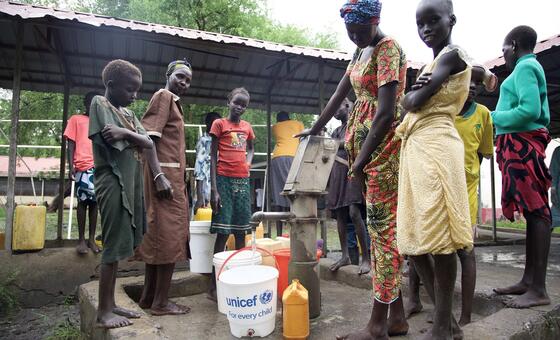
Water, sanitation and hygiene teams distributed filters and purification materials to 1,200 families. Another 200 women and girls received dignity and hygiene kits. More than 2,000 people were reached with information on disease prevention and hygiene practices, including measures that can reduce exposure to waterborne illness.
Such support is particularly important where water infrastructure has been damaged or is no longer functioning. Families may have few alternatives when safe water points are inaccessible, while overstretched health services may be unable to respond quickly when outbreaks or seasonal illnesses occur.
Protection concerns grow alongside displacement
The consequences of conflict extend beyond food shortages and healthcare disruptions. Continued displacement and insecurity can separate children from family members and increase exposure to gender-based violence, abduction and recruitment by armed groups. Women and children face heightened protection risks when communities are forced to move repeatedly or lose access to local support networks.
UNICEF has called for safe, regular and sustained humanitarian access to people affected by the fighting. It is also urging an end to grave violations against children, including their recruitment by armed groups, and greater investment in services that protect women and children from violence, abductions and other threats.
Continued backing is needed for emergency missions, including the Rapid Response Mechanism, as well as for preventing interruptions to supplies of therapeutic food, medicines and clean water. Flexible humanitarian financing and long-term partnerships are also vital for keeping aid teams ready, positioning essential items in advance and deploying multidisciplinary support when new emergencies arise.
“For many families, this was the first help they had seen in months. But what we found shows how much more is needed, and how quickly conditions can deteriorate if access continues to be constrained in these areas,” Ms. Skinner stressed.
For communities in Jonglei that remain difficult to reach, the emergency deliveries provide a critical lifeline but not a lasting solution. Sustained access will determine whether children can continue treatment, families can obtain safe water and health services can remain available as the humanitarian situation evolves.
Related Reading
Frequently Asked Questions
What is South Sudan?
South Sudan is the main topic of this guide. The article explains the context, practical details, and next steps readers should understand.
Why does South Sudan matter?
South Sudan matters because readers are looking for a useful answer, not just a short summary. Good content should match search intent and help them decide what to do next.