Ambush in Jonglei Leaves Two UN Peacekeepers Dead as South Sudan’s Fragile Peace Faces New Pressure
Provpnmatrix.com – South Sudan’s already precarious path toward lasting stability took a sharp blow on Monday when unidentified gunmen launched a coordinated ambush against a United Nations patrol in the eastern Jonglei state, killing two peacekeepers and wounding five others. The attack, which struck the convoy en route to the remote settlement of Pajut, underscores how little progress has been made in securing the country’s vast and often inaccessible interior regions more than a decade after independence.
The Attack and Immediate Response
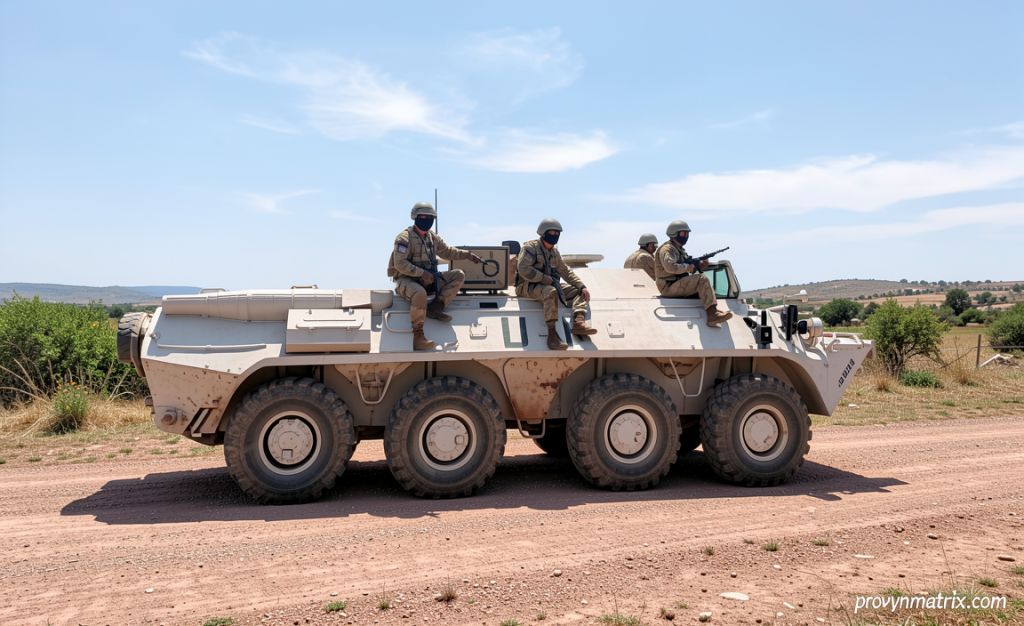
The patrol belonged to UN Mission in South Sudan (UNMISS), the long-standing peacekeeping operation deployed to protect civilians and support the country’s political transition. According to mission officials, the vehicle was targeted while traveling toward Pajut, a sparsely populated area in the eastern region where state authority remains thin and armed groups operate with relative freedom. Two members of the peacekeeping contingent lost their lives in the shooting. Seven individuals sustained injuries: three additional peacekeepers, two officers of the South Sudan National Police Service, and two civilian staff members attached to the mission.
In the hours following the ambush, UNMISS dispatched a quick reaction force to the scene. The unit’s mandate was to establish a perimeter around the incident site, render emergency medical assistance to the wounded, and prevent any secondary attack while the area was secured. The speed of that response was critical given the remoteness of Pajut and the limited infrastructure available for evacuation.
Mission Leadership Condemns the Killing
UNMISS chief Anita Kiki Gbeho addressed the families and colleagues of the victims, extending condolences and pledging that the mission would pursue accountability. In a statement released after the incident, she declared:
“Such deadly violence targeting UNMISS personnel who are serving to support peace in South Sudan is unacceptable.”
Gbeho further urged the relevant national authorities to open a thorough and swift investigation, insisting that those responsible must be brought before a court of law. The mission also noted, in formal language, that attacks directed at UN peacekeepers can constitute war crimes under international law, a characterization that carries significant diplomatic weight and may shape future accountability proceedings.
A Peace Process Under Strain
The Jonglei ambush arrives at a moment when renewed inter-communal and inter-party violence across South Sudan is placing enormous pressure on the peace architecture that has held, however tenuously, since the 2018 Revitalized Agreement. Eastern Jonglei, home to the Nuer and other communities, has long been a flashpoint. Cattle raids, land disputes, and sporadic clashes between armed factions have made the region one of the most volatile in the country, and the presence of a UN patrol there reflects both the need for protection and the difficulty of delivering it.
South Sudan achieved independence from Sudan in 2011 after more than two decades of civil war. Yet the new state’s existence was tested almost immediately: just two years after independence, a power struggle between President Salva Kiir and his then-deputy, Riek Machar, plunged the country into a second civil war that displaced millions and devastated infrastructure. The conflict ended formally in 2018, but the underlying grievances—over land, resources, ethnic representation, and control of the state—remain largely unresolved.
UNMISS: Mandate and Reality
Established shortly after independence in 2011, UNMISS was mandated to protect civilians, facilitate humanitarian access, monitor human-rights violations, and support the country’s peace process and political transition. In practice, the mission operates across a territory the size of France with a fraction of the logistical capacity that would be needed to cover it effectively. Patrols to areas like Pajut require days of travel over rough tracks, and the force’s quick-reaction capability, while essential, cannot substitute for sustained security in every community.
Humanitarian Toll Reaches Record Levels
The killing of two peacekeepers is not an isolated event. UN agencies have identified South Sudan as among the most dangerous postings for aid workers worldwide. Since January of this year, at least 36 humanitarian personnel have been killed in the country, a figure that already surpasses the 31 recorded across all of 2025. The UN Spokesperson characterized the pattern of attacks on aid workers as unacceptable and in violation of international humanitarian law, calling for protection guarantees to be honored by all parties to the conflict.
The convergence of rising violence against both peacekeepers and humanitarian staff signals a broader erosion of norms that were supposed to be enshrined in the peace settlement. For communities in Jonglei and beyond, the practical consequence is simple: fewer patrols mean fewer eyes on the ground, fewer corridors for relief convoys, and fewer opportunities to hold armed actors accountable. Until the political transition gains genuine traction and local security arrangements are strengthened, the risk to international personnel—and to the civilians they are tasked to protect—will remain acute.
Related Reading
Frequently Asked Questions
What is Two UN peacekeepers killed in South?
Two UN peacekeepers killed in South is the main topic of this guide. The article explains the context, practical details, and next steps readers should understand.
Why does Two UN peacekeepers killed in South matter?
Two UN peacekeepers killed in South matters because readers are looking for a useful answer, not just a short summary. Good content should match search intent and help them decide what to do next.